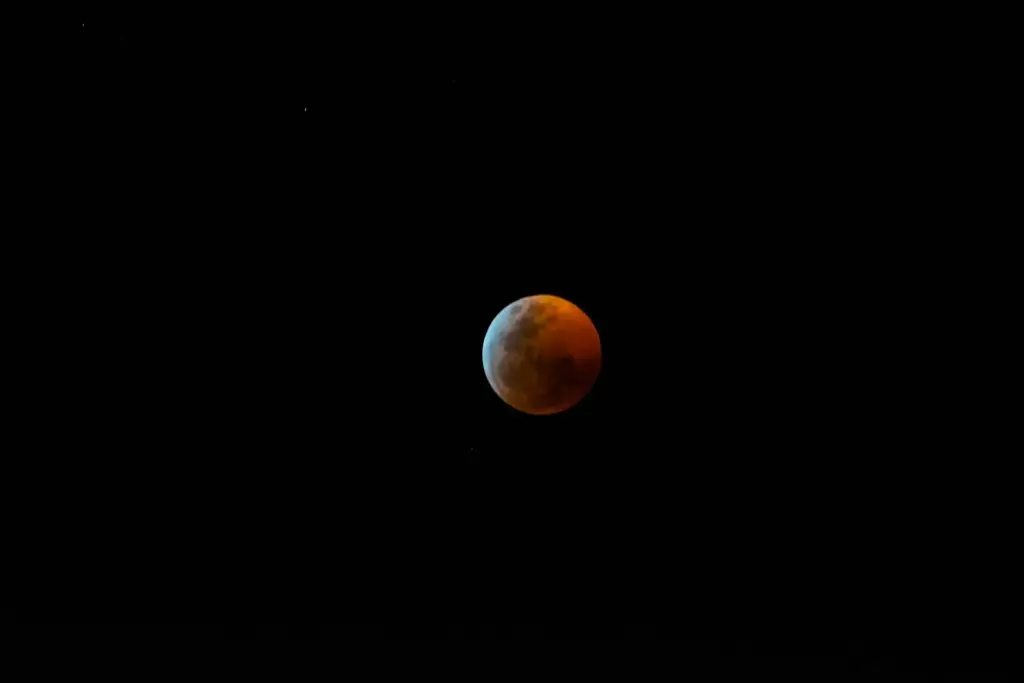
India lunar eclipse 2026 is generating widespread excitement as a rare total lunar eclipse coincides with the vibrant Hindu festival of Holi on March 3, 2026. This spectacular Blood Moon phenomenon during India lunar eclipse 2026 has captured the attention of millions, creating a unique cultural moment blending astronomical wonder with deep spiritual significance.
India Lunar Eclipse 2026 Timing and Visibility
During India lunar eclipse 2026, the total lunar eclipse will begin at 3:20 PM on March 3, 2026, and continue until 6:47 PM in the evening, lasting 3 hours and 27 minutes. The Moon will become visible from approximately 6:26 PM during India lunar eclipse 2026, offering skywatchers a magnificent window to observe the reddish lunar surface across different cities nationwide.
Major metropolitan areas including Delhi, Mumbai, Bangalore, Chennai, and Kolkata will experience excellent viewing conditions for India lunar eclipse 2026, weather permitting. Astronomers have organized viewing events at various locations, providing telescopes and expert guidance for safe observation of this remarkable astronomical event.
Sutak Kaal and Religious Observances
For devout Hindus, India lunar eclipse 2026 carries significant religious importance. The Sutak Kaal begins approximately 9 hours before the eclipse starts during India lunar eclipse 2026. Many followers refrain from eating, cooking, or engaging in auspicious activities during this period. Temples across India will remain closed during Sutak and reopen after purification rituals.
The coincidence of India lunar eclipse 2026 with Holi has prompted religious scholars to issue guidance for devotees. Many temples have rescheduled Holi celebrations to accommodate the eclipse timing, while spiritual leaders have provided instructions on performing rituals before and after the event.
Scientific Explanation of Blood Moon
The Blood Moon phenomenon during India lunar eclipse 2026 occurs when Earth passes between the Sun and Moon, casting its shadow on the lunar surface. The characteristic reddish hue results from sunlight filtering through Earth atmosphere, with shorter wavelengths scattered while longer red wavelengths reach the Moon, creating the distinctive copper-red glow that has fascinated humanity for millennia.
Scientists emphasize that India lunar eclipse 2026 presents an excellent opportunity for public astronomy education. Unlike solar eclipses requiring special eye protection, this event can be safely viewed with the naked eye, making it ideal for families, students, and casual observers to engage with astronomy and understand celestial mechanics.
Holi Festival Celebrations Adjusted
The timing of India lunar eclipse 2026 has required adjustments to traditional Holi celebrations across the country. Many communities have rescheduled Holika Dahan, the ceremonial bonfire marking Holi beginning, to avoid conflicts with the eclipse period. Local authorities have worked to ensure both events can be observed appropriately.
Despite logistical challenges, the convergence has generated excitement among many Indians who view this coincidence as auspicious. Social media platforms have buzzed with discussions, with users sharing viewing locations, safety tips, and cultural significance of experiencing both events simultaneously.
Viewing Guidelines for Safe Observation
Astronomy experts have issued comprehensive viewing guidelines for India lunar eclipse 2026, emphasizing that no special equipment is required for safe observation. However, binoculars or telescopes can enhance the viewing experience by revealing lunar surface details. Observers should find locations with clear eastern horizon views for optimal viewing conditions.
Weather forecasts suggest generally favorable conditions across most of India for viewing, though some regions may experience cloud cover. The rarity of a total lunar eclipse coinciding with Holi makes this a memorable event that many Indians will treasure for years to come.
Cultural Heritage and Modern Science
Historical records show eclipses have held significance in Indian culture for thousands of years. Ancient texts demonstrate sophisticated understanding of eclipse patterns among Indian scholars. This event continues the tradition while incorporating modern scientific understanding and public participation through digital platforms.
The intersection of traditional beliefs with modern science exemplifies Indian society, where ancient wisdom and contemporary knowledge coexist harmoniously. This celestial phenomenon serves as a reminder of humanity enduring fascination with the cosmos and cultural traditions connecting modern Indians to their rich astronomical heritage spanning millennia.
Related coverage: Continue with more the world coverage, Russia Ukraine Peace Talks: Kremlin Cites Uncertainty on Next Round, Russian Central Bank EU, and Russia NATO Airspace 2025: 18 Violations Mark 200% Surge.
Comments 0
No comments yet. Be the first to share your thoughts!
Leave a comment
Share your thoughts. Your email will not be published.