The Hungary election 2026 on April 12 could be the most dramatic political showdown in Central Europe this decade. Hungarian voters will head to the polls in what many are calling a do-or-die moment for the country's democracy — and the outcome could finally unseat Viktor Orbán after his 16-year grip on power. This election matters big time for young Europeans watching closely.
The Challenger: Péter Magyar and the Rise of Tisza
Péter Magyar, a 44-year-old former insider from Orbán's own Fidesz party, burst onto the political scene in 2024 when he took over the tiny centre-right Tisza party and transformed it into an anti-corruption movement. Within months, polls showed Tisza neck-and-neck with Fidesz — and now, according to most surveys, it's pulling ahead. A Median poll published by HVG in February showed Tisza leading by as much as 20 percentage points among decided voters, with the gap widening from 12 points just a month earlier. The opposition party commands around 53% support compared to Fidesz's 39%, according to 21 Research Centre data from March. This surge in the Hungary election 2026 race has caught international attention.
Orbán's Anti-Ukraine Campaign
Orbán, 62, has built his entire re-election campaign around one message: he's the man who will keep Hungary out of the war in Ukraine. The prime minister has repeatedly blocked EU military aid packages for Kyiv and vetoed a proposed €90 billion loan facility for Ukraine. Most recently, he deployed Hungarian troops toward the Ukrainian border after a Russian drone strike hit the Druzhba oil pipeline's dispatch station in Ukraine in January, disrupting deliveries to Hungary. According to Reuters, Orbán has also claimed — without providing evidence — that Ukrainians are threatening his children and grandchildren, and that Kyiv is behind the pipeline disruptions. The Hungarian government recently announced it would declassify a national security report alleging that Magyar's Tisza party received illegal funding from Ukraine, though the claim has not been independently verified.
Mass Rival Rallies in Budapest
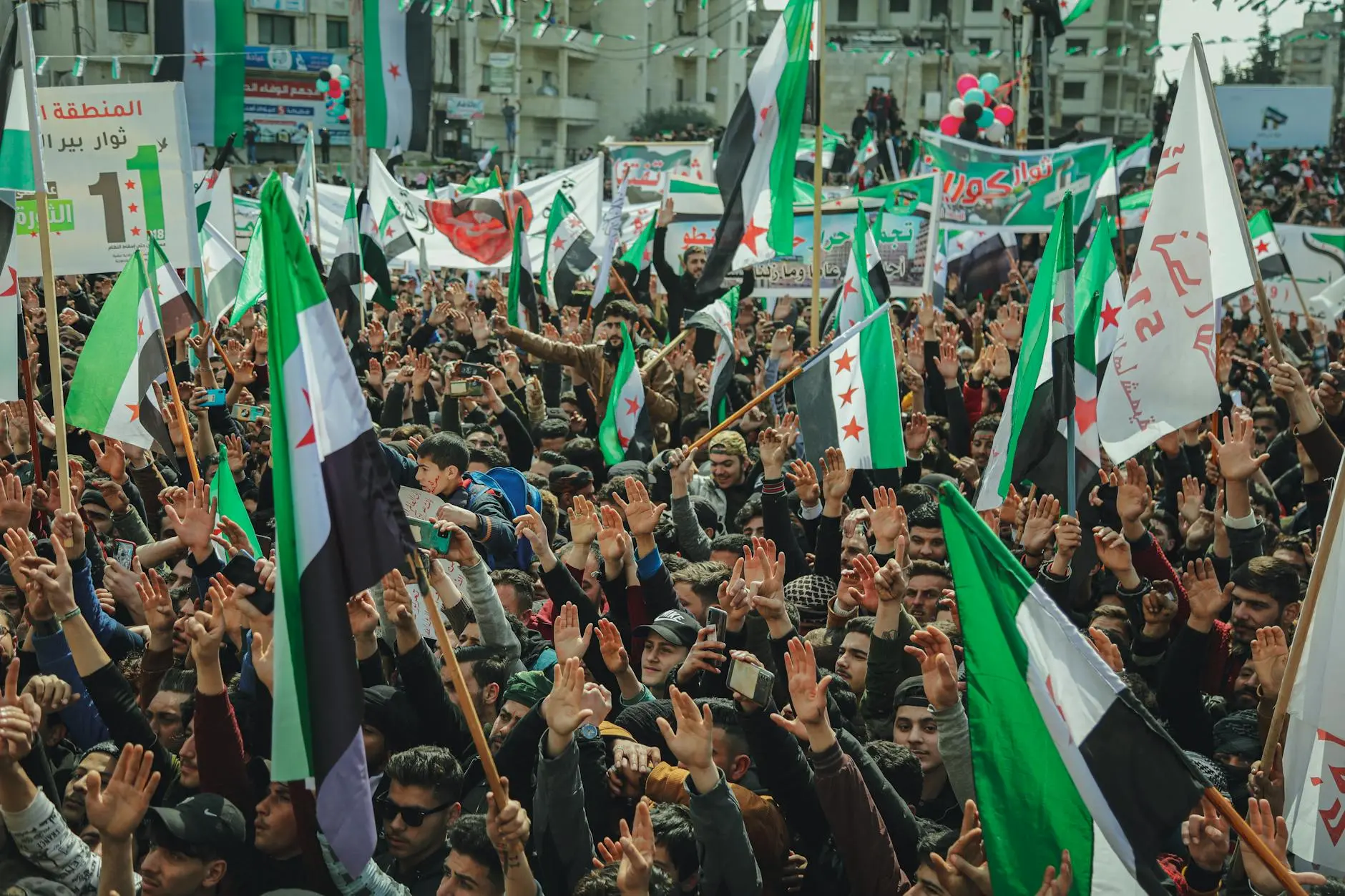
The tension reached a boiling point on March 15, Hungary's national day, when both sides held massive parallel rallies in Budapest. Orbán's Fidesz organized a so-called "peace march" across the Danube, with tens of thousands of supporters flooding the streets. Across town at Heroes Square, Magyar addressed a crowd of at least 100,000 supporters, accusing Orbán of "inviting Russian agents" to interfere with the elections. As reported by AP News, the rival demonstrations drew hundreds of thousands total and served as a final barometer of support before the election enters its last month.
Kremlin Interference Fears
Perhaps the most disturbing element of the Hungary election 2026 is the alleged Russian meddling. The Financial Times reported that the Kremlin-linked Social Design Agency — which Western governments sanctioned in 2024 for its role in the "Doppelgänger" influence operation — has been developing a disinformation campaign to boost Orbán since February. According to the FT, consultants have been reviewing Hungarian news and think-tank publications to generate campaign content designed to sway voters. The BBC reported that three GRU officers from Russia's military intelligence have been embedded in the Russian Embassy in Budapest, apparently working under Putin's deputy chief of staff Sergei Kiriyenko, who previously oversaw similar operations in Moldova. Magyar has publicly called on Orbán to halt the planned disinformation campaign and expel the Russian agents from Hungary.
What's at Stake for Gen Z Voters
For young Hungarians, this Hungary election 2026 represents something many thought impossible: a real chance at political change. Years of corruption allegations, media consolidation under Fidesz control, and perceived backsliding on democratic norms have left many Gen Z voters hungry for alternatives. Young supporters at Magyar's rally told reporters they believe an opposition victory could unlock billions in EU funding frozen over rule-of-law concerns and restore press freedom. But Orbán's message about avoiding war resonates with older voters near the Ukrainian border, creating a stark generational divide. As Politico reported, while younger Hungarians are flocking to Tisza, older rural voters remain firmly in Orbán's camp — making the youth vote potentially decisive in this Hungary election 2026.
The April 12 vote will determine not only Hungary's future but also the balance of power in the EU, where Orbán has frequently acted as a wildcard on Russia policy. With polls showing Tisza in the lead, international observers watching for Russian interference, and both sides claiming victory is imminent, this is one election Gen Z across Europe should be watching closely. Check out more Politics news on GenZ NewZ.
Comments 0
No comments yet. Be the first to share your thoughts!
Leave a comment
Share your thoughts. Your email will not be published.