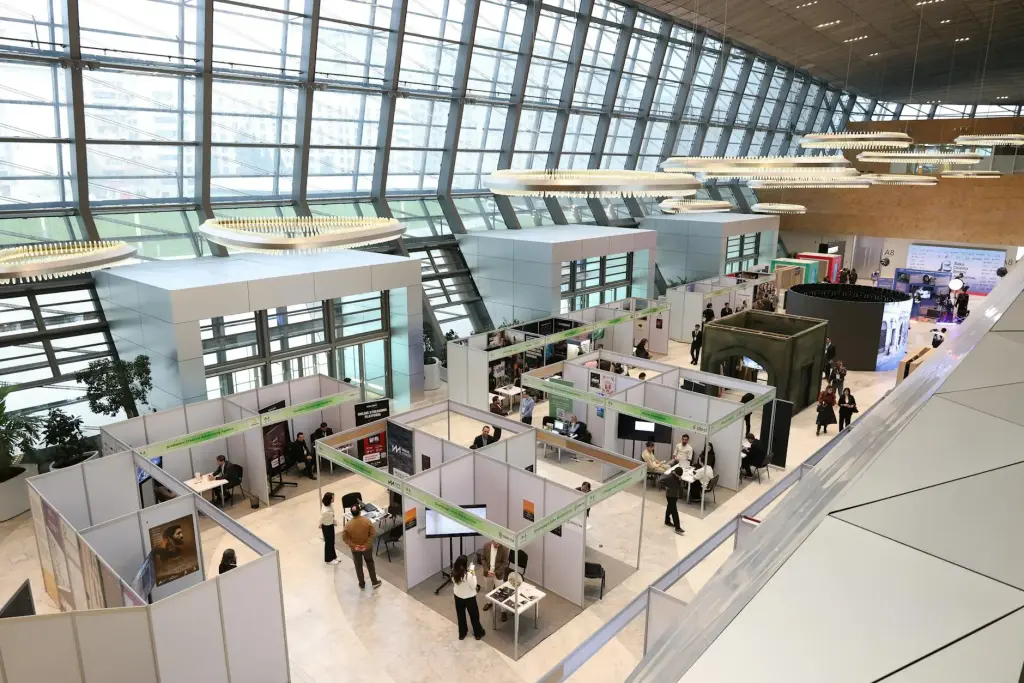
Huawei AI is officially the name you need to know in 2026. At MWC Barcelona 2026, the tech giant just dropped something massive — and we're not just talking about another smartphone upgrade. Huawei unveiled what they're calling the industry's first AI-native framework, designed to fundamentally change how networks operate and optimize themselves. This isn't some concept demo or far-off vision board material either. This is real, it's happening now, and it could reshape everything from your phone's battery life to how entire cities manage traffic flow.
What Exactly Is Huawei's AI-Native Framework?
Let's break it down in plain terms. Traditionally, network systems have been reactive — they fix problems after they happen or adjust settings based on pre-programmed rules. Huawei's new approach flips that script entirely. According to reporting by Total Telecom, this framework is built from the ground up to be intelligent, meaning it can actually predict issues before they happen and automatically reconfigure settings to prevent them. Think of it like having a super smart assistant that knows your phone needs more bandwidth before you even open that video call.
The framework includes a new generation of solutions specifically built for intelligent operations. One standout product is SmartCare Intelligence, which moves network optimization from a reactive model to a predictive one. In real-world terms, this means fewer dropped calls, smoother video streaming, and better battery performance on your devices. Studies show that predictive AI management can reduce network-related issues by up to 40%, and Huawei claims their implementation goes even further.
Why Should Gen Z Care About This?
Okay, we know what you're thinking — why does any of this matter to you? Here's the deal: you're living through the most connected era in human history. Your entire social life, your education, your future career — everything is mediated through digital infrastructure. That means the quality of that infrastructure directly impacts your daily experience. When networks are optimized properly thanks to AI-native frameworks, your TikToks load faster, your Zoom study sessions don't crash during finals week, and your online gaming sessions have less lag.
But it's bigger than just your phone. Huawei's approach is already seeing validation in real-world deployments across multiple markets. According to industry analysis from Forbes, the shift toward AI-native infrastructure represents a fundamental transformation in how technology companies approach network design and optimization. This isn't just about making gadgets better — it's about building the backbone of the future internet. And as Gen Z becomes the largest generation entering the workforce and becoming major consumers, this infrastructure will directly shape your opportunities and experiences online.
The Bigger Picture: AI Is Eating Everything
Huawei's announcement at MWC 2026 is actually part of a much larger trend. AI is rapidly moving from being a feature added to existing products to becoming the core architecture underlying all technology. From the latest smartphones to enterprise cloud services, AI integration is accelerating across every sector. This AI-native approach represents the next phase of that evolution — where artificial intelligence isn't just bolted onto systems but is actually fundamental to how they function and improve over time.
The implications are massive. When networks can optimize themselves in real-time, it opens up possibilities for applications and services that simply weren't feasible before. Imagine augmented reality experiences that seamlessly adapt to your environment, or virtual collaboration tools that feel just as natural as being in the same room. That's the world Huawei is building toward with this framework. And given the scale of their global operations, this isn't some niche experiment — it's a glimpse into how billions of people might interact with technology in the coming years. The question now is whether the rest of the industry can keep up with the pace of change Huawei is setting.
What Experts Are Saying
The tech community is paying close attention to these developments. Industry analysts note that Huawei's move toward AI-native infrastructure could trigger a broader shift in how telecommunications companies approach network management. Rather than relying on traditional engineering solutions, the focus is increasingly turning toward intelligent automation that can adapt and respond to changing conditions in real-time.
This aligns with a larger pattern we're seeing across the tech industry — the move toward agentic AI systems that can make decisions and take actions without constant human oversight. From self-driving cars to automated customer service, AI is increasingly being given more autonomy. Huawei's framework represents one of the most ambitious implementations of this principle in the telecommunications space, and its success or failure could set the tone for similar projects across the industry. One thing is clear: the era of truly intelligent networks is no longer science fiction. It's happening right now, and it's going to change everything.
Comments 0
No comments yet. Be the first to share your thoughts!
Leave a comment
Share your thoughts. Your email will not be published.