For Gen Z, tagging a friend in a meme is the modern equivalent of making them a cup of tea. A poll of 2,000 adults commissioned by AXA Health for its Cover that Cares campaign found that 42 per cent of people aged 18 to 29 show they care by tagging someone in a meme — now Gen Z's Way of Saying "I care" — compared with just four per cent of Boomers, a generational split that captures how completely technology has rewritten the language of affection.
The findings, reported by the Bury Times, suggest younger people do not view digital gestures as lazy shortcuts. Four in ten of Gen Z said technology has had a positive impact on how they express care, against just a tenth of Boomers who felt the same way. A checking-in text, a liked post, a tagged reel: these are not afterthoughts. For the generation coming up, they are, quite literally, Gen Z's Way of Saying they care.
Different generations speak different dialects of care
Boomers still lean toward the physical. Nearly a third said they would rather visit someone in person than send a text, while the preference flips for Gen Z: a third of 18 to 29-year-olds would rather send a text than visit in person — the text has become Gen Z's Way of Saying what a knock on the door used to say. Some ground holds across the generations, though. Visiting someone in person was rated the top way to express care overall, chosen by 71 per cent of all respondents, and just over a quarter felt sending a gift could make up for not seeing someone face to face.
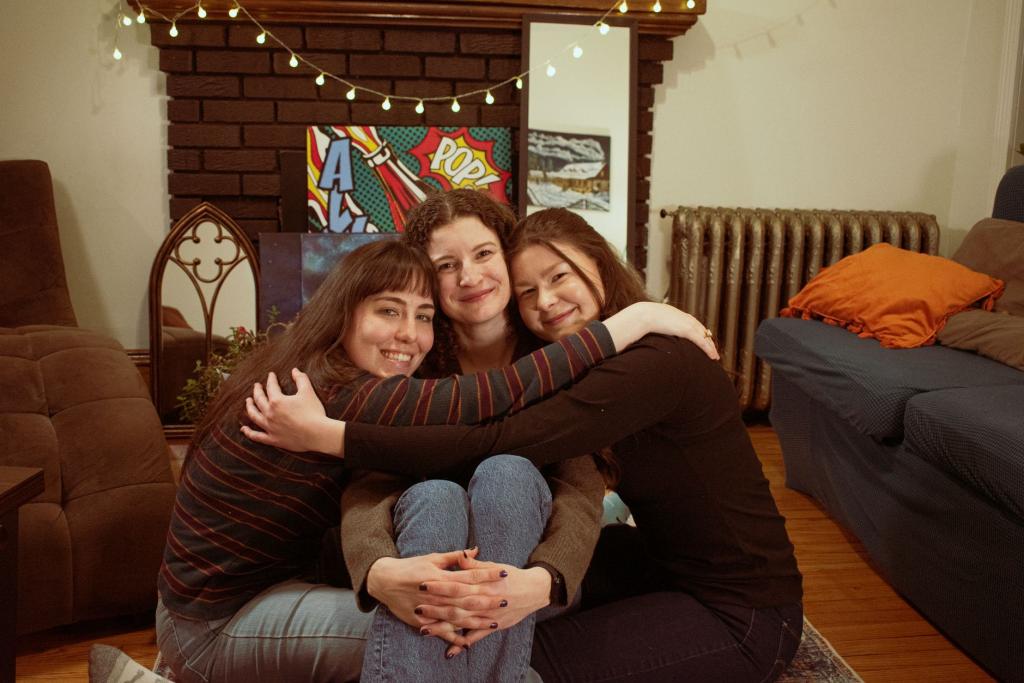
Gen Z's own ranking of care gestures shows how blended their habits are. Giving someone a hug tops their list, chosen by roughly two-thirds, followed by visiting, calling, listening, and cooking a meal for someone. Digital habits sit comfortably alongside the classics: direct messages, checking-in texts, post likes, comments and story reactions all rank in the top 20, alongside cups of tea, chocolate and flowers. Liking a post even outranked making someone tea — a result that would have baffled a generation ago.
The twist: Gen Z are the biggest huggers of all
Here is the part that breaks the stereotype. When asked about physical affection, Gen Z outpaced every other generation: nearly three-quarters said they would give someone a cuddle. The meme tag, in other words, is Gen Z's Way of Saying "thinking of you"; the hug is how they say "I'm here." They also report putting in the most effort — 69 per cent of Gen Z go out of their way to care for their loved ones, compared with just two in five Boomers. Digital fluency, it turns out, has not dulled the appetite for warmth. It has simply added new dialects without deleting the old one.
Heather Smith, CEO of AXA Health, said it is "brilliant to see how much importance Gen Z place on showing they care to the people they love, often through digital means", adding that staying connected in ways that feel authentic matters more than any single grand gesture.
But one in six do not feel cared for
The poll also carries a sobering counterpoint. Around one in six people said they do not feel cared for by others, and among those who rarely show care, awkwardness was the most common reason — cited by nearly a quarter — while cost and time were each blamed by roughly a fifth. Friends, spouses and children were the people cared for most, but that lingering gap is the one the campaign is trying to close. Small, consistent gestures — a quick call, a message, a check-in — can help prevent feelings of isolation and support mental wellbeing.
Diversity founder Ashley Banjo, who is fronting the campaign alongside his mum Danielle, says he is "extremely lucky to have such a close relationship" with her, regularly popping over with the kids for a catch-up. He backs the digital generation's instincts, welcoming the idea that young people "could be turning the UK into a nation of huggers" — proof that memes and face-to-face moments can coexist.
The practical takeaway doubles as the campaign's pitch: care does not have to be a grand gesture. A voice note on a hard day, a tagged meme, a text that simply checks in — each one is Gen Z's Way of Saying "this reminded me of you", and these small pings register as genuine care for the generation coming up, according to the poll.
And for those who still prefer the old-school way, the hug remains undefeated. AXA Health has even built a quiz that helps uncover your "care personality", so you can find the dialect of care that fits you best.
That one-in-six figure echoes wider worries about the Gen Z friendship crisis — and more IRL Life stories on how this generation connects.
Comments 0
No comments yet. Be the first to share your thoughts!
Leave a comment
Share your thoughts. Your email will not be published.