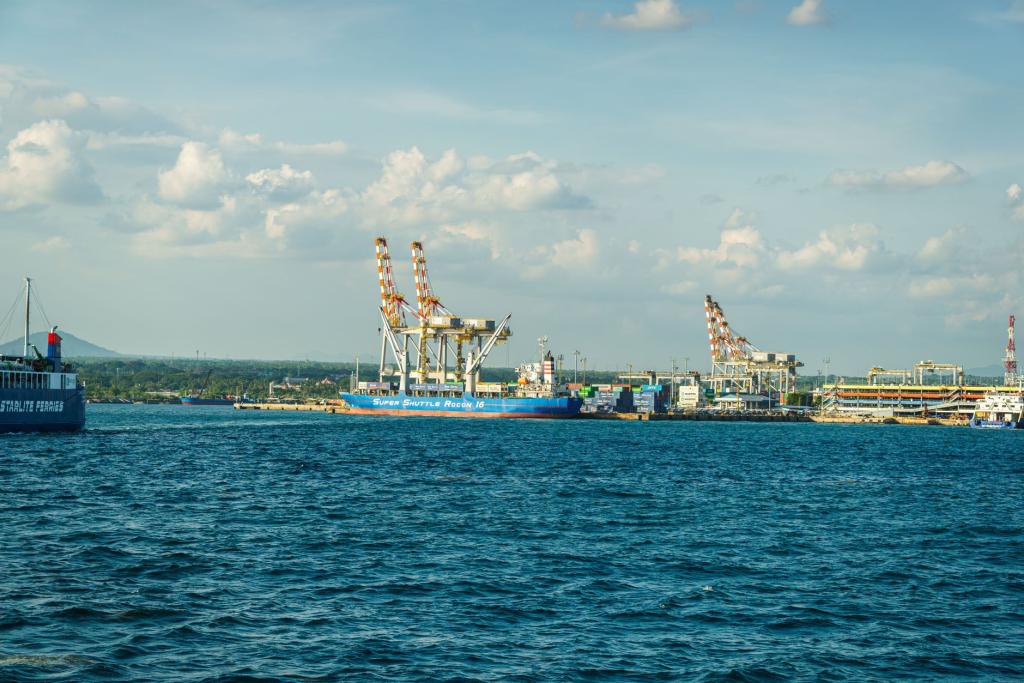
A week after storming down the Red Sea coast, Yemen's Iran-backed Houthi rebels have pulled off their biggest land grab in years, reigniting a 12-year civil war and pushing global fuel prices higher, according to reporting by The Associated Press. The rebels seized the port city of Mokha on September 10, then moved on islands near the Bab el-Mandeb strait, a narrow chokepoint through which about 12 percent of the world's goods normally pass.
The takeover was confirmed to the AP by Ahmed Baash, a commander with the National Resistance Forces allied with Yemen's government, and Hazam al-Assad, a member of the Houthis' political bureau. Mokha sits about 80 kilometers from the Bab el-Mandeb, the waterway connecting the Red Sea to the Gulf of Aden, and the rebels now operate just 32 kilometers from Djibouti, a small African nation that hosts American and other foreign military bases.
Shipping through the strait has already felt the shock. Windward, a shipping intelligence firm, reported a dip in traffic from 35 daily transits before the Houthi advance to 25 after, though traffic had recovered to 45 transits by the following Sunday. The rebels have also kept up attacks on Saudi oil facilities and tankers, and an attack on Saudi Arabia's east-west pipeline, blamed on Iran-backed militias in Iraq, rattled world markets, as GenZ NewZ reported this week.
Rebels turn toward the oil-rich east
Now the rebels appear to be eyeing Yemen's oil-rich east. In recent days, heavy fighting has been reported in and around Marib, a central city in an oil-rich province of the same name that has resisted previous offensives by Houthi rebels and serves as a military hub for Saudi-backed forces. The rebels also threaten Taiz, a western city that has been a front line for much of the conflict.
The Houthis want Saudi Arabia to lift a long-running blockade on the territory they control. Mohammed al-Bukhaiti, a member of the Houthis' political bureau, told the AP that Saudi Arabia closed the Bab el-Mandeb strait to shipping traffic to and from Yemen and imposed what he described as an unjust blockade. Analysts say halting the attacks may require a diplomatic solution, which could ultimately demand American concessions to Iran, the only country with real leverage over the Houthis.
The United States, which bombed the Houthis under both the Biden and Trump administrations, has shown no interest in getting involved this time. Houthi rebels say they are only attacking Saudi shipping, but the target list could widen. Valentin d'Hauthuille, a Middle East analyst at the conflict monitor ACLED, told the AP the rebels might extend the criteria for vessels assessed as Saudi-linked to increase pressure on the kingdom and the global economy.
Diplomacy moves as the crisis deepens
Regional mediators have sprung into action. Oman hosted a meeting between American and Houthi representatives last weekend, a Houthi official and another person familiar with the talks told the AP this week. The United States says it has been in constant contact with the Saudis, and Saudi Crown Prince Mohammed bin Salman recently visited Egypt, which has served as a regional mediator. An official in Turkey, another potential mediator, said this week that talks with Iran and the United Arab Emirates were underway to lower tensions.
The Houthi offensive is also the first test of a new defense pact among Saudi Arabia, NATO member Turkey, and nuclear-armed Pakistan. Officials from Turkey and Pakistan say they have not received a Saudi request for support. The pact's silence so far has raised questions about how much help Riyadh can expect if the fighting spreads.
The human cost is climbing. The blitz has forced an estimated 125,000 Yemenis to flee their homes, and the U.N. humanitarian office says the latest fighting has killed eight civilians and wounded another 32. The health ministry in the Saudi-backed government says the Houthis have killed around 150 civilians since September 3, while Saudi Arabia said debris from an intercepted Houthi drone killed one person and wounded two others in the kingdom this week.
Yemen was the poorest Arab country even before the war, which has killed more than 150,000 people and at times pushed the country to the brink of famine. The U.N. says only 20 percent of its humanitarian appeal for Yemen has been funded, and millions risk losing access to food, health care, nutrition, water, and protection. Doctors Without Borders staff in Mokha are working under difficult conditions to keep essential services running, supervisor Sara Ahmed said, with airstrikes audible in the background.
The civil war began when the Houthis swept down from their northern heartland in 2014, capturing the capital Sanaa and much of northern Yemen. Saudi Arabia intervened the following year, and the fighting raged until a 2022 ceasefire. That ceasefire has now effectively collapsed, and with global energy markets already strained by the Iran war and shipping disruptions in the Strait of Hormuz, the fall of Mokha puts one more critical chokepoint under pressure.
Comments 0
No comments yet. Be the first to share your thoughts!
Leave a comment
Share your thoughts. Your email will not be published.