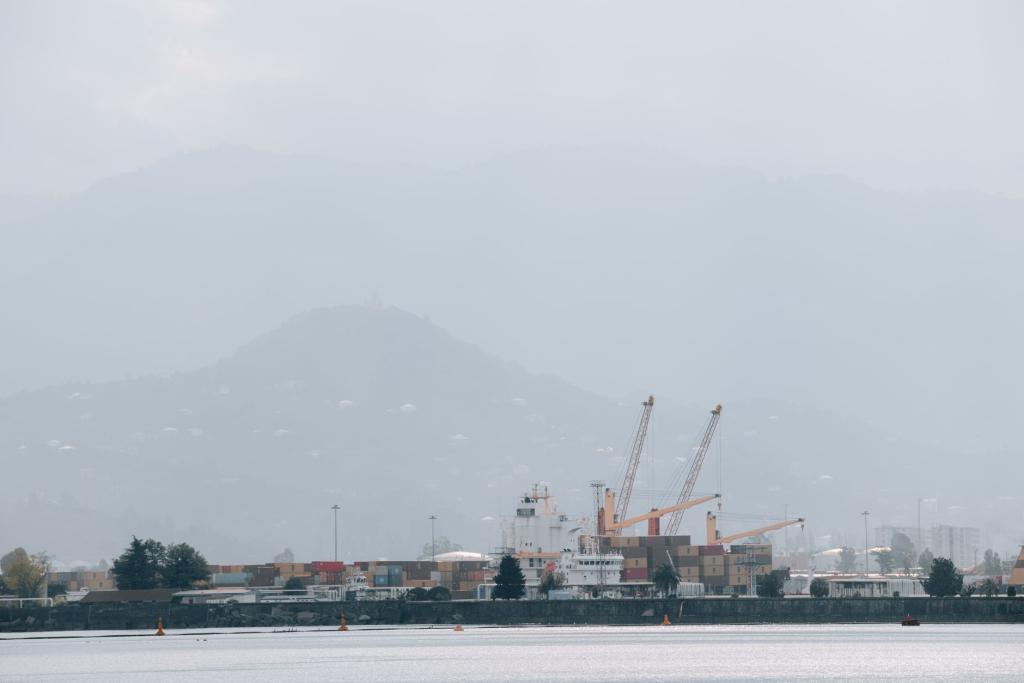
Hodeidah port strike took place early Wednesday, Nov. 25, after the Saudi-led coalition issued an evacuation notice at 23:52 GMT on Nov. 24. The coalition said it targeted what it called “operational capabilities” at the Red Sea port; Houthi-affiliated media described an “attack on the port of Hodeida.” The sources read confirm a strike but do not establish damage to port infrastructure or a casualty count.
What is confirmed
The Saudi Press Agency published the coalition’s evacuation notice at 23:52 GMT on Tuesday. It attributed the request to coalition spokesperson Major General Turki al-Maliki and said civilians were asked to leave Hodeidah Port for their safety. The notice included a map identifying the area. Its wording established that the coalition issued a warning; it did not itself confirm a strike or describe damage.
Al Jazeera reported that Yemen’s Houthi-run Saba News Agency said an attack on the port followed the warning. Hürriyet Daily News separately reported that Houthi media outlet Almasirah described an “attack on the port of Hodeida.” Both accounts are from outlets aligned with Houthi authorities; neither report supplied an independent inspection of the port.
The coalition later said it had targeted “operational capabilities” at Hodeidah. Al Jazeera reported the coalition also said it had destroyed several targets in the northern governorates of Saada and Amran. Those are coalition descriptions of military targets; the reports read did not independently establish what was hit or the extent of damage.
Seatrade Maritime News reported that maritime security company Vanguard Tech counted at least six airstrikes on Hodeidah on Nov. 25. Houthi-affiliated media also reported coalition airstrikes near Sanaa International Airport, according to Hürriyet. That separate report did not include an independently verified account of the location, damage or casualties.
Hodeidah is Yemen’s main port for food and other essential supplies entering Houthi-controlled northern areas, Al Jazeera reported. Seatrade said the extent of damage to infrastructure, the effect on vessels alongside and the port’s operational status remained unclear. Hürriyet reported that no casualty or injury figure had been reported by publication time. That gap is not evidence that no one was hurt.
What the parties said
In its notice, the Saudi Press Agency quoted the coalition’s request that civilians evacuate Hodeidah Port “for their own safety.” Later, coalition spokesperson al-Maliki’s statement on X said: “We targeted operational capabilities at the port of Hodeidah,” Hürriyet Daily News reported. The coalition also described targets in Saada and Amran as destroyed. These are the coalition’s claims about its operation, not independently verified descriptions of the targets.
On the Houthi side, Hürriyet said the Houthi-affiliated Almasirah channel described an “attack on the port of Hodeida” and provided no further details. Al Jazeera separately reported that the Houthi-run Saba News Agency reported an attack shortly after the coalition’s evacuation notice. The reports do not include a Houthi casualty total or an independently verified assessment of port damage.
The two sides’ public accounts differ in emphasis: the coalition described the operation by its claimed military targets, while Houthi-linked media described an attack at the port. The available reporting does not settle what facilities were damaged or whether anyone at the port was injured.
How the coverage splits
Al Jazeera calls the Houthis “rebels” and Hodeidah a “rebel-held” port, while describing the coalition as backing Yemen’s internationally recognised government. Its headline leads with Saudi air-defence interceptions and places the port strike afterward; the body adds the coalition’s target statement and the Houthi-run Saba report. It does not independently assess port damage or provide a port casualty figure. Al Jazeera is not a party to the Yemen conflict or a belligerent’s channel.
Seatrade Maritime News uses “Saudi-led coalition” and “Houthi military spokesperson” and frames the event through commercial shipping security. It foregrounds a count of at least six strikes attributed to Vanguard Tech, then stresses that infrastructure damage, effects on vessels and port operations were unclear. Its account does not give a casualty total. Seatrade is a maritime trade publication, not a party to the conflict or an official channel for either side.
The Maritime Executive labels the events a “Saudi-Houthi exchange of fire,” calls the Saudi side “Saudi forces” and describes “Houthi drone forces.” Its headline links the Riyadh, Hodeidah and Ras Tanura incidents; its text calls the port operation “large-scale” and frames it as retaliation. That sequence is foregrounded over an independently checked account of damage at Hodeidah, and the article gives no port casualty count. The Maritime Executive is a maritime news outlet, not a combatant or a party to the Yemen conflict.
The record so far
By the sources reviewed, the coalition issued an evacuation notice and then reported targeting military capabilities at Hodeidah; Houthi-linked Saba and Almasirah reported an attack. No casualty number or independent damage assessment for the port strike was available in those reports. The target descriptions remain attributed claims, not a verified inventory of what was destroyed. The Hodeidah port strike record therefore remains limited to the warning, the coalition’s target description and Houthi-linked reporting.
This is separate from the Nov. 24 Riyadh tower attack. Saudi authorities said that incident injured 11 people, Al Jazeera reported; that figure does not describe the Hodeidah operation. The desk’s earlier Riyadh missile-interception report and Bab al-Mandab withdrawal report cover separate episodes and do not establish casualties or damage in this strike.
Comments 0
No comments yet. Be the first to share your thoughts!
Leave a comment
Share your thoughts. Your email will not be published.