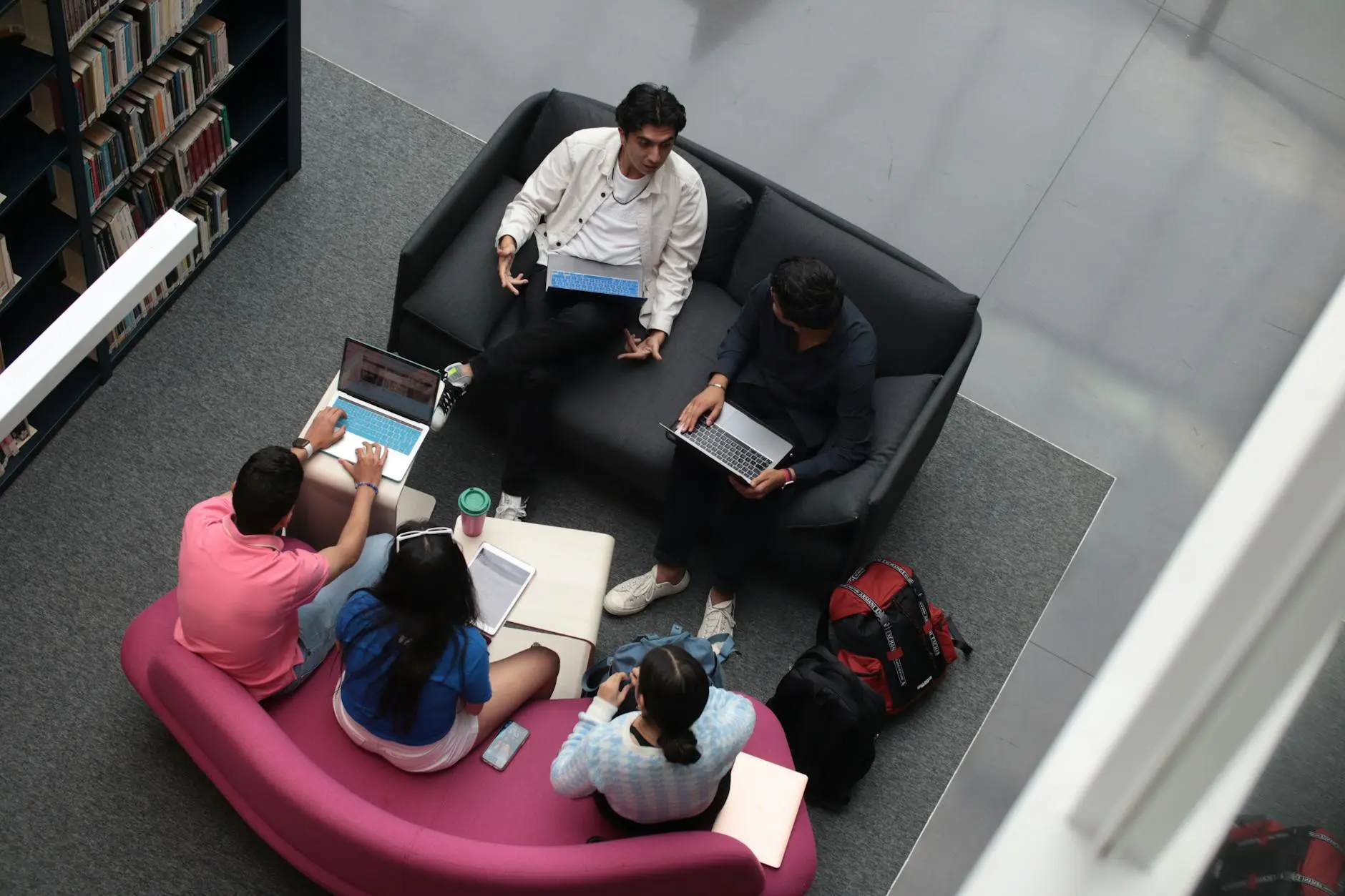
Higher education trends 2025 have fundamentally transformed how students experience university and college learning, as institutions adapt to technological innovation, changing workforce demands, and evolving student expectations about educational value and accessibility. The traditional model of residential campus education has evolved to embrace flexibility, personalization, and practical skill development alongside theoretical knowledge acquisition that prepares graduates for rapidly changing career landscapes. According to EDUCAUSE teaching and learning workforce report, the rapid pace and broad scope of these changes have particularly reshaped the teaching and learning workforce in higher education, creating new roles and responsibilities for educators navigating this transformed landscape while developing capabilities to serve increasingly diverse student populations.
Hybrid Learning Becomes Permanent Educational Framework
The higher education trends 2025 landscape has been defined by the normalization of hybrid learning models that combine online and in-person instruction in ways that maximize flexibility while preserving the relationship-building benefits of campus experiences that students value deeply. According to Liferay student experience trend analysis, institutions are embracing the university for me personalized approaches, truly hybrid campus models, and digitization of all student processes that streamline administrative tasks while enhancing educational delivery quality across modalities. This transformation reflects recognition that students have diverse needs and circumstances that one-size-fits-all approaches fail to address effectively, requiring institutions to develop flexible solutions serving varied learner populations.
The shift toward hybrid learning within higher education trends 2025 has required significant investment in technology infrastructure, faculty training, and instructional design that creates engaging experiences across modalities that feel cohesive rather than disconnected experiences serving different student needs differently. Universities have discovered that effective hybrid education requires intentional course design that leverages the unique advantages of each modality for optimal learning outcomes rather than simply broadcasting in-person classes online as pandemic-era remote learning often did. Students have embraced this flexibility, particularly those balancing education with work, family responsibilities, or geographic constraints that previously limited their educational options and career advancement opportunities significantly.
AI Integration Reshapes Academic Experience
Artificial intelligence has emerged as one of the most significant factors shaping higher education trends 2025, influencing everything from administrative processes to personalized learning pathways that adapt to individual student needs and progress patterns. According to BestColleges online education trends research, 76% of all students surveyed say that online education is better than or equal to on-campus learning, while majorities report that artificial intelligence tools enhance their educational experiences through personalized support and efficient resource access. This positive reception suggests that AI integration has achieved meaningful improvements rather than simply adding technological complexity without substantive benefit to students seeking efficient learning pathways.
The integration of AI within higher education trends 2025 extends to administrative functions that improve institutional efficiency and student experience simultaneously, from chatbots that answer routine questions to systems that help students navigate course selection and degree planning with greater confidence. These tools have reduced friction in administrative processes while providing 24/7 support that human advisors cannot match, freeing staff to focus on complex student needs that require human judgment and empathy rather than routine information provision. For institutions facing budget constraints amid enrollment fluctuations, AI has offered ways to maintain service quality while managing costs effectively and sustainably.
Gen Z Student Preparation and Career Planning
For Gen Z students navigating higher education trends 2025, understanding these transformations helps in making informed decisions about educational investments that align with career aspirations and personal circumstances while recognizing that the traditional college pathway has evolved significantly from previous generations experiences. The expansion of online options has democratized access to prestigious institutions while creating new considerations about the value of residential experiences compared to flexible alternatives that may better serve working adults and those with family responsibilities requiring accommodation. Developing skills to leverage both technological tools and human networks positions students for success in educational environments that increasingly blend digital efficiency with relationship-centered learning opportunities that prepare them for collaborative professional environments.
Building awareness of higher education trends 2025 enables Gen Z individuals to evaluate institutions based on their adoption of flexible learning options, AI-enhanced support services, and career-focused programs that deliver outcomes beyond traditional academic credentials alone. Understanding how to navigate these evolving educational landscapes empowers young adults to maximize their learning experiences while preparing for careers in rapidly changing professional environments requiring continuous adaptation and lifelong learning capabilities that serve them throughout their careers.
Comments 0
No comments yet. Be the first to share your thoughts!
Leave a comment
Share your thoughts. Your email will not be published.