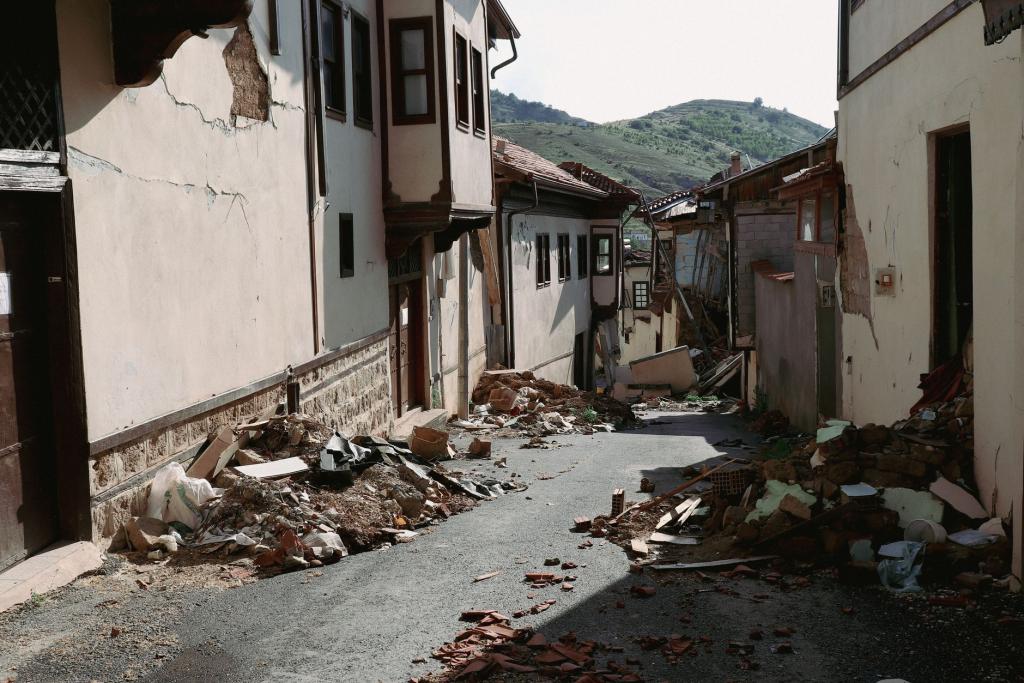
The Gracie Bon earthquake photos started out as a six-image Instagram post about her country and turned into one of the week's most argued-over influencer scandals. On October 11, Bon, a Panamanian plus-size model with nearly twelve million Instagram followers, shared pictures of herself standing and crouching among the rubble of homes flattened two days earlier by the country's strongest earthquake in recent memory. Her caption asked followers to appreciate life, be grateful, and help those in need. Within hours, the comments split between people thanking her for the attention and people calling the Gracie Bon earthquake photos a tone-deaf photo shoot staged on other people's ruins.
The criticism centers on a familiar complaint: the disaster reads as the backdrop and the influencer reads as the subject. In the pictures, Bon wore blue jeans and a white top, posing with her hand behind her head in one frame and lifting her shirt enough to show her midriff in another, according to the New York Post's description of the post. "Posing with someone else's misfortune must be a joke," one Instagram user wrote in Spanish. "Help? No. Have a photo shoot? Yes," another commented. One commenter claimed the damaged house in the photos belonged to their grandmother and said the family had not given permission for the pictures to be taken, a claim that fueled a second wave of arguments about consent and privacy for disaster victims.
The photos that set off the backlash
The Gracie Bon earthquake photos went up two days after a magnitude 7.7 earthquake struck central Panama on the morning of October 9, according to the U.S. Geological Survey. The quake, centered near Pitaloza Arriba in Herrera province, was followed that afternoon by a 6.6 aftershock, and more than one hundred smaller tremors kept shaking the region in the days after. The Associated Press reported no confirmed deaths but said 27 people were injured, while damage estimates climbed from hundreds of damaged buildings toward roughly 900 homes, plus schools, churches, and bridges across Herrera, Veraguas, Cocle, and Los Santos. Panama's government declared a state of emergency as rescue teams assessed the damage.
The post drew roughly a hundred and fifty thousand likes within its first day, according to one estimate, and thousands of comments. UNICEF estimates that 38,000 people, including more than eight thousand children, need humanitarian assistance after the quakes, a figure LADbible cited in its coverage of the controversy. Bon's original caption struck a somber note, calling the scenes the reality of her country after the earthquake and writing that material things can be replaced but life is priceless. But the setting, collapsed homes, broken bricks, destroyed beds, made the somber caption hard for critics to take at face value when the person in the frame appeared to be posing for the camera.
A defense that drew even more heat
Bon answered the backlash directly, writing: "I am not posing." In a follow-up post she denied the images were a photo shoot and said she had decided to include a picture of herself in the frame because her face gives the post more reach and attention. Her argument is a version of one the internet hears after almost every disaster-photo controversy: an influencer's face is distribution, and distribution turns into donations. In video statements, she said she had traveled to the affected communities to hand out supplies she bought with her own money and to document the damage so it would not be ignored, according to accounts of her Spanish-language remarks. She also shared a photo of herself carrying water in one of the damaged towns, a detail her supporters cite when defending the Gracie Bon earthquake photos.
The defense did not quiet the comments. Critics argued that if the goal was documenting the damage, the camera did not need her in the frame, and that asking a team to document a charity visit blurred the line between aid work and content production. Supporters answered that outrage over a photograph is cheaper than outrage over families losing everything, a line Bon herself echoed when she said the real problem was how people chose to look at the Gracie Bon earthquake photos rather than what she had done. She said her intention was to help two families rebuild their homes, and she urged followers to stay united instead of criticizing each other.
The episode keeps resurfacing because there is no settled rule for what ethical posting looks like after a disaster. Similar blowups have followed other influencers who photographed themselves at flood sites and fire zones, and each one replays the same two claims: the post raised awareness, and the post used the wreckage. Bon's case adds a complication neither side can fully dismiss: the photos traveled farther than pictures of empty rubble likely would have, and they traveled precisely because the woman in them is famous. Whether that reach counts as awareness-raising or self-promotion is the argument, and the Gracie Bon earthquake photos are now the latest exhibit in it.
Comments 0
No comments yet. Be the first to share your thoughts!
Leave a comment
Share your thoughts. Your email will not be published.