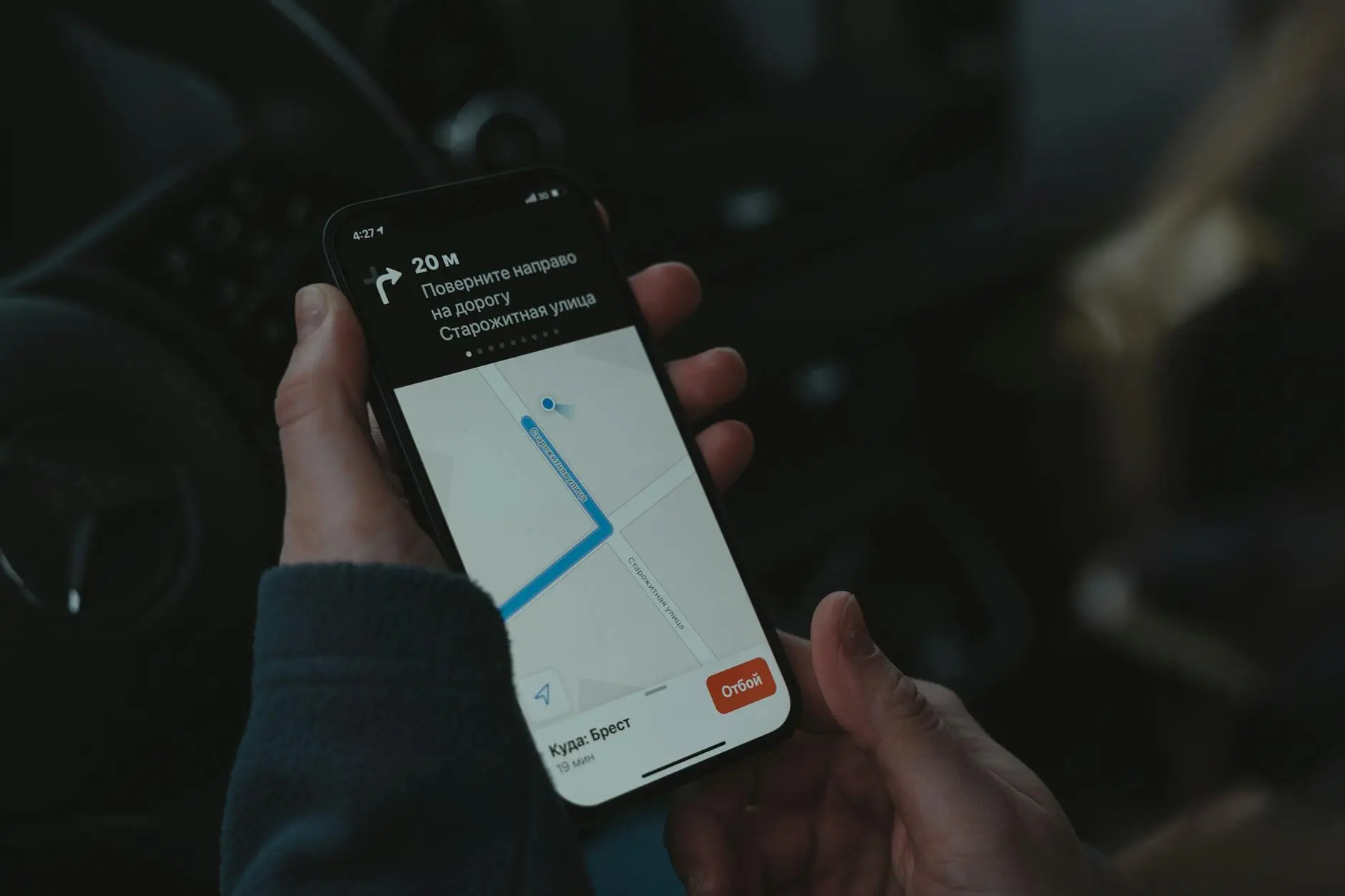
Google has officially integrated its powerful Gemini AI technology into Google Maps, marking one of the most significant upgrades to the navigation platform in over a decade. The new Google Maps Gemini AI features include Ask Maps, a conversational AI assistant that allows users to ask natural questions about places and directions, alongside a redesigned Immersive Navigation mode that delivers stunning 3D visual guidance for drivers. This transformation turns the world's most popular navigation app into an intelligent copilot capable of understanding complex, real-world queries that traditional search engines have always struggled to answer. According to TechCrunch, the update represents Google's boldest push yet to position Maps as an all-knowing digital companion rather than merely a point-to-point direction tool. [Source]
The introduction of Google Maps Gemini AI comes as no surprise to industry observers who have watched Google systematically infuse its flagship products with generative AI capabilities. With more than 2 billion monthly users worldwide and a database spanning over 200 million businesses and places, Google Maps provides an unprecedented dataset for Gemini to draw from when answering user questions. The company first began rolling out Gemini-powered features in Maps during late 2025, but the latest updates represent a substantial expansion of these capabilities. Digital Trends reports that the new features constitute the biggest overhaul to Google Maps in more than ten years, fundamentally changing how users interact with the platform. [Source]
Ask Maps: Conversational AI Meets Navigation
Ask Maps represents the most visible application of Google Maps Gemini AI within the application. Unlike traditional keyword-based searches that require users to think in terms of business names or categories, Ask Maps enables completely natural conversations. Users can ask complex questions like "What are some cool things to do this weekend within walking distance?" or "Find me a quiet coffee shop with good wifi that won't be too crowded on a Tuesday afternoon." The AI assistant analyzes multiple signals, including search history, saved places, and community reviews, to deliver highly personalized recommendations that would be impossible to obtain through conventional search methods.
The conversational nature of Ask Maps extends beyond simple place recommendations. According to Android Guys, users can engage in multi-turn dialogues to refine their searches, add stops to existing routes, ask for scenic detours, or request tips from local experts and recent visitors. The feature leverages Gemini's ability to understand context and nuance, providing responses that feel genuinely helpful rather than mechanically generated. For Gen Z users who have grown accustomed to conversational interfaces through smart speakers and chatbots, Ask Maps represents a natural evolution of how they interact with mapping technology. [Source]
Immersive Navigation: Seeing the Road in 3D
Alongside the conversational AI assistant, Google Maps Gemini AI powers a complete redesign of the navigation experience through Immersive Navigation. This new driving mode introduces rich 3D visualizations that transform flat map displays into photorealistic representations of the surrounding environment. Complex interchanges, highway merges, and unfamiliar intersections are now displayed with remarkable clarity, showing drivers exactly what to expect before they arrive at critical turning points.
The Immersive Navigation feature builds upon Google's earlier Immersive View technology, which already offered 3D previews of destinations. The updated version applies this visual sophistication to active navigation, providing real-time guidance that includes information about flyovers, lane guidance, and visual landmarks. According to Smartprix, the feature uses 3D map visuals similar to those pioneered by Apple Maps, but leverages Google's extensive Street View imagery and aerial photography to deliver unprecedented detail in over 150 cities worldwide. [Source] The combination of conversational search capabilities and immersive 3D navigation creates a unified experience that addresses both the informational and navigational challenges that have long frustrated users of traditional mapping applications.
Privacy advocates have noted that the personalized nature of Google Maps Gemini AI features depends on access to user data including search history, location data, and saved preferences. Google has emphasized that users maintain control over their data through existing account settings for Location History and Web & App Activity. The company assures that Gemini responses are grounded in verified Google Maps databases rather than speculative generative AI outputs, addressing concerns about accuracy that have plagued other AI-powered applications.
The rollout of these new features began in March 2026, with Ask Maps becoming available to Android and iOS users in the United States and India first. Desktop support is expected to follow, along with integration into Google vehicles equipped with Android Automotive. As the Google Maps Gemini AI features continue to expand globally, they signal a fundamental shift in how technology assists human navigation—from passive tools that wait for explicit instructions to proactive assistants that anticipate needs and provide contextual guidance. For a generation that has never known a world without smartphones, this evolution represents the next chapter in the relationship between humans and their digital assistants.
This transformation extends beyond simple convenience. The integration of artificial intelligence into everyday navigation tools reflects broader trends in how Gen Z interacts with technology—preferring conversational, intuitive interfaces over traditional command-based interactions. As Google continues to develop and refine these capabilities, the line between a mapping application and a truly intelligent companion continues to blur, promising a future where getting from point A to point B becomes an enriched, informative, and surprisingly personal experience.
Comments 0
No comments yet. Be the first to share your thoughts!
Leave a comment
Share your thoughts. Your email will not be published.