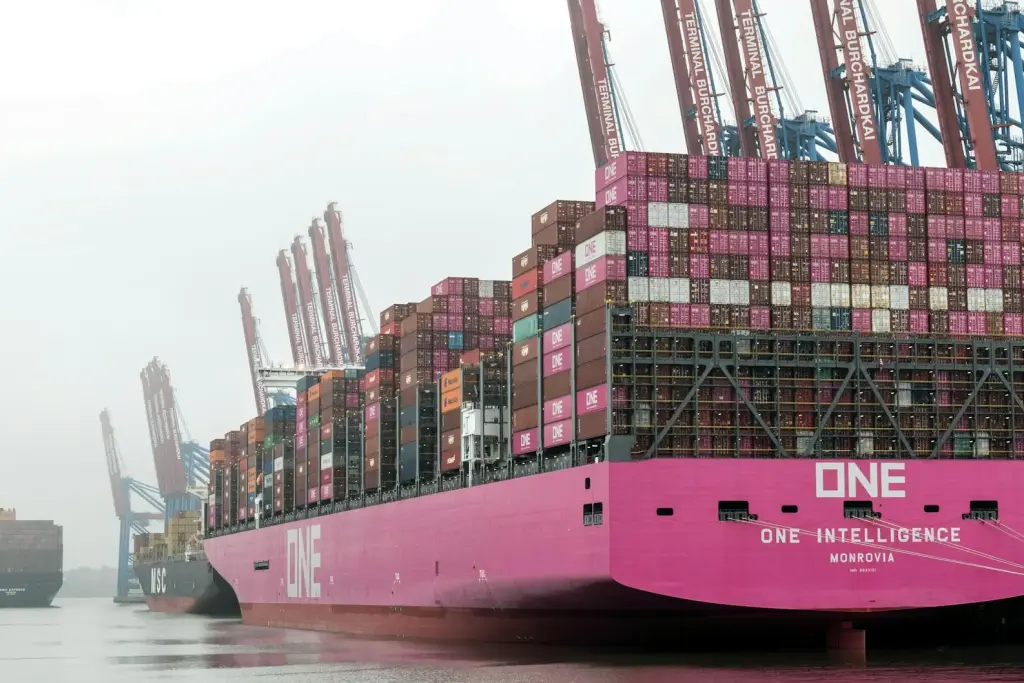
Global trade is shaping up to be one of the wildest topics of 2026, and honestly, it affects way more than just economists in fancy suits. Whether you're shopping for tech, gaming gear, or even groceries, what's happening in the world of international trade could hit your wallet harder than you think. From new tariffs to supply chain chaos, here's the breakdown on why your favorite products might start costing more.
What's Actually Happening With Trade Right Now
The Trump administration has launched sweeping trade investigations targeting China, the European Union, Mexico, and India, setting the stage for new tariffs that could reshape how goods flow across borders. According to Bloomberg, these investigations are designed to replace levies that were previously struck down by the US Supreme Court. Meanwhile, the ongoing conflict in the Middle East has disrupted the Strait of Hormuz, a crucial waterway that handles nearly one-fifth of the world's energy trade. LA's port chief recently discussed how the Iran war is directly impacting global trade routes, affecting everything from oil shipments to consumer electronics.
Why This Matters For Gen Z Shoppers
Let's be real — most of us don't think about international trade when we're scrolling through Amazon or TikTok Shop. But here's the thing: almost everything you buy has crossed at least one border before landing in your hands. That iPhone case? Probably made in China. Those sneakers? Could be Vietnam or Indonesia. When governments slap tariffs on imports, those costs don't just disappear — they get passed down to consumers.
Studies show that tariffs on consumer goods typically result in higher retail prices within months of implementation. And it's not just about the products themselves. Oil prices affect shipping costs, which means even items made closer to home could get pricier. The IEA has announced plans to release record amounts of oil from strategic reserves to try to stabilize markets, but experts warn this might only be a temporary fix.
The Tech and Gaming Impact
If you're into gaming, tech, or basically any electronics, pay attention. Most consumer electronics are manufactured in Asia, particularly China and Taiwan. New tariffs could make everything from gaming consoles to laptops significantly more expensive. Honda has already warned of a $17.5 billion impact from EV market downturns, showing how global trade tensions are rippling through entire industries.
According to commodity analysts at BNN Bloomberg, supply disruptions are spreading beyond just oil. Nickel supplies have already been disrupted, and copper supplies could follow suit. These metals are essential for everything from electric vehicles to smartphones, so expect to see ripple effects across the tech sector.
What Experts Are Saying
Sean King, senior VP at Park Strategies, told BNN Bloomberg that the US-China relationship remains the most critical trade dynamic to watch. 'Japan more than anybody here is key to look at these barrels to be released,' he noted, referring to the ongoing negotiations around oil supplies and trade agreements.
Meanwhile, Canada and Australia have recently signed a new deal on critical minerals, showing that some countries are actively working to diversify their supply chains away from traditional trade partners. This could create new opportunities for alternative sourcing, but it'll likely take years to see meaningful shifts. Read more about world news and business trends on GenZ NewZ.
How to Future-Proof Your Purchases
While we can't control global trade policies, there are steps you can take to minimize the impact on your wallet. Consider buying now if you've been eyeing expensive items that might get hit with tariffs. Support local and domestic products when possible — shorter supply chains mean fewer opportunities for tariffs to add up. And maybe start budgeting for potential price increases on everyday items.
The reality is that global trade affects everything from the food supply chain to the latest drop culture sneakers. According to industry experts at Reuters, food supply chains need 'reconstructive surgery' to become more resilient to global disruptions. While governments figure out their next moves, staying informed and planning ahead is your best bet. For more tips on managing your budget, check out our life hacks section.
Comments 0
No comments yet. Be the first to share your thoughts!
Leave a comment
Share your thoughts. Your email will not be published.