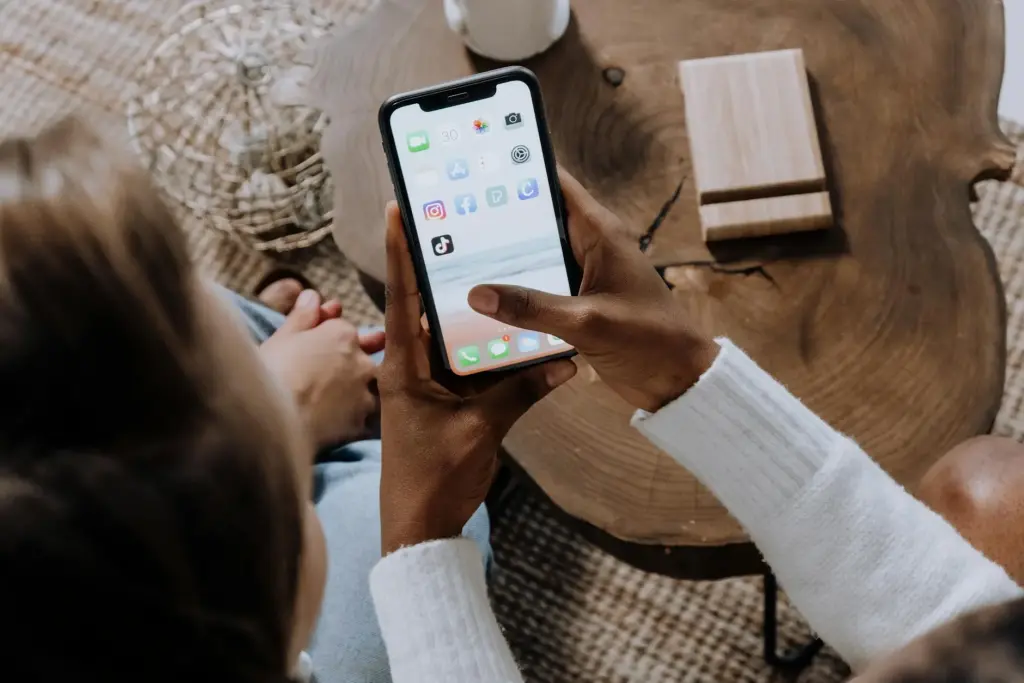
The Gen Z TikTok relationship has hit a rough patch, with new research from The Harris Poll revealing that 60% of Gen Z TikTok users now trust the platform less than they did just two years ago. Despite this growing skepticism, 65% of Gen Z still uses TikTok every single day, creating what researchers are calling a complicated coexistence with the app that defined a generation. According to reports by MediaPost, the algorithm changes and increased advertising saturation have left many young users feeling disconnected from the platform they once loved. This Gen Z TikTok trust crisis reflects a broader pattern of generational disillusionment with social media platforms.
Why Gen Z TikTok Trust Is Declining
Harris Poll chief strategy officer Libby Rodney explains that the Gen Z TikTok trust issue stems primarily from algorithm changes and an overload of influencer content. "The algorithm has changed, and they don't like it," Rodney noted in her interview with MediaPost. The platform that once felt like a curated window into authentic youth culture has transformed into something more commercial and unpredictable. For a generation that grew up valuing authenticity and transparency, this shift has been particularly jarring. Studies show that Gen Z consumers are more skeptical of advertising than any previous generation, making TikTok's pivot toward aggressive monetization a tough sell. This aligns with research from Forbes showing Gen Z values genuine connection over polished marketing.
Privacy concerns have also fueled the Gen Z TikTok trust erosion. Reports from The Hacker News indicate that Meta's decision to shut down Instagram's end-to-end encrypted chat support has further rattled young users who are increasingly aware of data privacy issues. Many Gen Z users report feeling uncomfortable with how their data is being used, even as they continue to scroll through their feeds for hours each day. The paradox of caring deeply about privacy while still using addictive social platforms reflects the broader tension in how young people navigate digital life.
The Impact on Content Creators and Brands
For the influencers and creators who built their careers on TikTok, the changing sentiment presents real challenges. Research from Forbes shows that influencer-related content on Gen Z TikTok platforms often spreads misinformation more virally than regular posts, with communities rallying behind inaccurate content due to the parasocial bonds creators develop with their followers. According to Dr. Giandomenico Di Domenico, "influencers generate more toxicity than regular users, amplifying content under the same conditions that enhance their visibility and influence." This dynamic has made many Gen Z viewers increasingly wary of trusting creator recommendations.
The economic implications are significant. Brand marketers who have poured billions into Gen Z TikTok advertising are now facing an audience that's harder to reach and more skeptical of traditional influencer marketing. Studies show that Gen Z responds better to authentic, unfiltered content rather than polished advertisements, but maintaining that authenticity while scaling up monetization has proven difficult. Many creators report feeling pressure to compromise their creative vision to maintain engagement numbers.
Gen Z TikTok Alternatives and What's Next
Despite these challenges, TikTok remains dominant among Gen Z. The platform's daily active user base hasn't declined in absolute numbers, suggesting that while enthusiasm may be waning, habit and FOMO keep users coming back. The algorithm continues to be highly addictive, and for many young people, TikTok has become a primary search engine and news source, even as they express reservations about trusting what they find there. You can read more about Gen Z media habits in our related article on Gen Z media trends.
Looking ahead, some Gen Z TikTok users are taking drastic action. 17-year-old Hallie Zilberman recently deleted TikTok and Instagram after surveying over 1,000 teen girls and finding that nearly half had thought about self-harm in the past six months. Her findings, reported by The New York Post, highlight the growing body of research connecting heavy social media use with mental health challenges. The teen told her school newspaper that growing up online has devastated her generation. This connects to broader discussions about social justice issues affecting youth in the digital age.
Others are pivoting to alternative platforms. Substack has seen growing daily usage among Gen Z, now at 11%, and emerging platforms focusing on audio and longer-form content are attracting users disillusioned with short-form video. Some are even turning to faith-based content, with Christian influencers saying young people are tired of fake stuff and seeking more authentic connections. As noted in The New York Post, this spiritual shift reflects a broader quest for meaning among digitally fatigued youth. For now, the Gen Z TikTok relationship remains complicated—they may not love it anymore, but they cannot quite quit it either.
Comments 0
No comments yet. Be the first to share your thoughts!
Leave a comment
Share your thoughts. Your email will not be published.