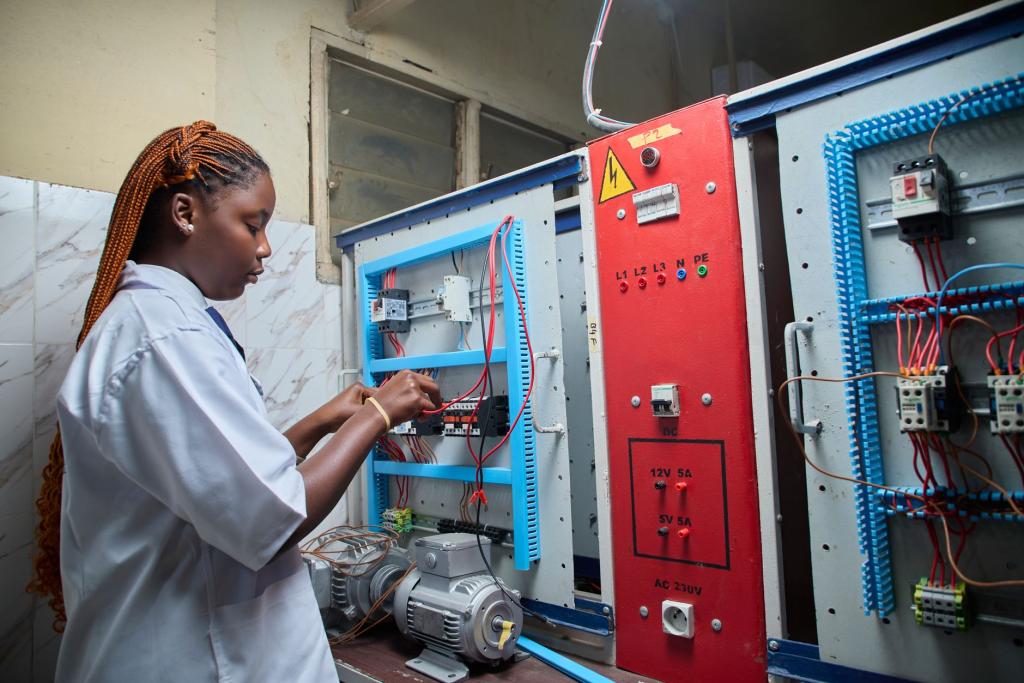
Gen Z skilled trades are winning the argument against college, at least in the court of public opinion. A survey of two thousand Americans ages sixteen to twenty-eight found that roughly two-thirds believe becoming a tradesperson is a quicker route to a six-figure salary than going to college, while only about a third think choosing university over an apprenticeship was a good idea. The poll, conducted June 8 through 17, 2026 by OnePoll and commissioned by the work-boot brand Wolverine, was reported via Stacker and picked up by outlets including the New York Post.
The appeal is practical, not romantic. Asked about the benefits of skipping college, respondents cited hands-on experience (thirty-seven percent), avoiding student debt (thirty-six percent), and earning money while learning (thirty-five percent). Nearly three in five said trade jobs are becoming more appealing to people their age, and among those not already in a trade, more than seven in ten said they would be interested in trying one. Three-quarters called earning an income through an apprenticeship very appealing. Respondents guessed a tradesperson makes just over fifty-seven thousand dollars a year on average, and nearly a quarter believe they could buy a home sooner by going the trade route.
Old stereotypes are the drag on that enthusiasm. More than a quarter of respondents still associate trades with physically demanding work with little room to progress, and a quarter assume tradespeople always work in dirty or messy environments. Nearly a third said they had never even considered a skilled-trade career, and about one in eight did not realize benefits like flexibility, strong pay, and long-term stability are part of trade work. Those lingering perceptions are the main headwind for Gen Z skilled trades recruiting.
The interest-to-action gap
Here is the twist: interest is high, but action lags. While more than seven in ten of those outside the trades say they would try one, only about one in five would actually choose an apprenticeship over college, compared with roughly a third who would still pick the degree, according to Wolverine’s September 15, 2026 release on its Project Bootstrap research. Among sixteen-to-eighteen-year-olds, nearly three in five have considered a trade, but only about one in nine sees it as their most likely path.
The result is a paradox for Gen Z skilled trades advocates: employer demand for new workers is climbing, yet few young people actually commit. “The data is clear: young people aren’t rejecting the trades,” said Mike Maloney, Wolverine’s global general manager, in the release.
The company says demand for electricians, welders, and construction specialists grew by thirty percent between 2022 and 2026. One caveat worth knowing: Wolverine sells work boots to tradespeople, so a Gen Z trades boom grows its own customer base — though the company says it has directed nearly three million dollars toward trade training through the initiative and its Metallica Scholars collaboration.
The math: wages versus debt
The financial case is real on paper. Federal data puts median pay for plumbers at sixty-three thousand eight hundred dollars, electricians at sixty-three thousand one hundred ninety dollars, and heating and cooling technicians at sixty-one thousand ten dollars, with electricians projected to see about eighty-one thousand openings a year. On the other side of the ledger, the average student-loan borrower owes thirty-six thousand seven hundred dollars, total national student debt sits near one point eight six trillion dollars, and university costs rose more than ninety-three percent between 2005 and 2025, according to Education Data Initiative figures via SoFi. Incoming freshmen are projected to borrow forty-three thousand dollars each by graduation, per a NerdWallet analysis, and a Manhattan Institute report this year found nearly a quarter of bachelor’s degree programs produce a negative return on investment.
The catch worth weighing
The counterpoint is physical. Analyses ranking entry-level jobs have placed welders, automotive mechanics, boilermakers, and CNC programmers near the bottom on starting pay, hazards, and growth. “New technologies like prefabrication and robotics are starting to take over parts of the workload, which can reduce demand,” analyst Chip Lupo told Fortune. An insurer’s review of more than a million workers’ compensation claims found forty-four percent of construction injuries involved first-year workers, who missed an average of one hundred fourteen days, according to the Travelers 2026 injury report. And in a survey of working tradespeople, physical strain and the fear that an injury could end their ability to work were the top two challenges cited. For readers weighing the choice, Gen Z skilled trades offer a genuine alternative to the degree path — one where the debt math looks better, even if the work is harder on the body. For a generation weighing college against the trades, the honest version of the story is this: the pay math and the debt math favor the trades, but the body pays a toll the survey questions barely mention.
Sources: Stacker/Wolverine survey via the Murray Sentinel; New York Post, September 15, 2026; Wolverine press release via GlobeNewswire; SoFi/Education Data Initiative.
Related reading on GenZ NewZ: Career Path and The Feed.
Comments 0
No comments yet. Be the first to share your thoughts!
Leave a comment
Share your thoughts. Your email will not be published.