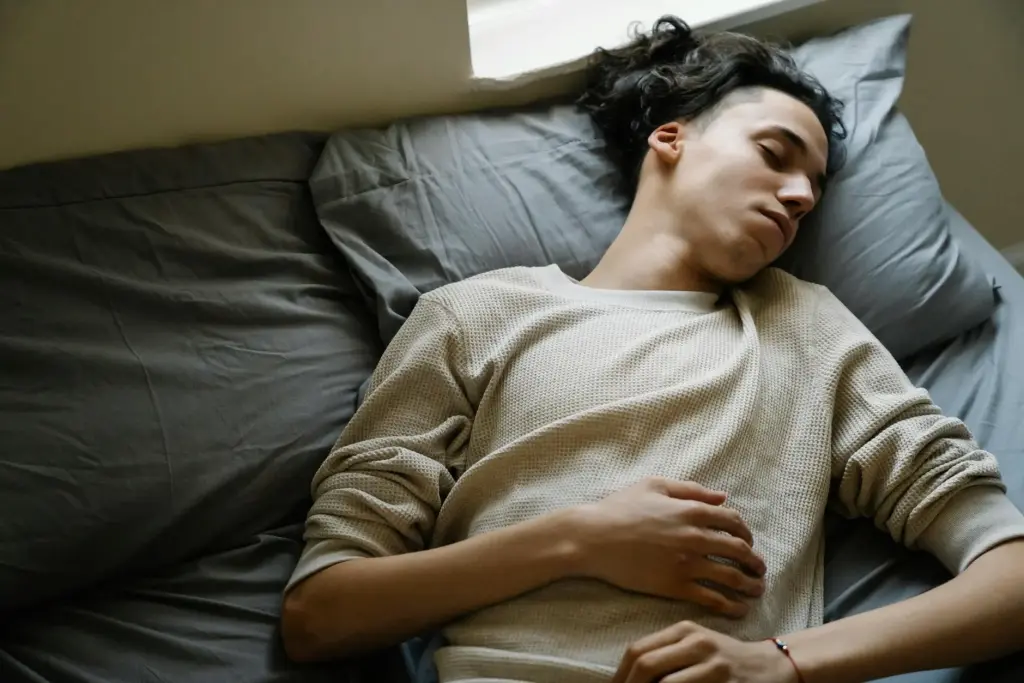
Gen Z nap pods are becoming the latest workplace wellness obsession as stressed-out young employees across New York City ditch their desks for midday sleep sessions. According to the New York Post, this new generation of workers is paying up to $27 per hour just to catch some shuteye during their lunch breaks.
The nine-to-five grind is breaking Gen Z, and they're fighting back with creative solutions. From sneaking naps in movie theaters to booking private nap pods, young professionals are prioritizing mental health over traditional workplace norms. Some are even mapping out the best spots in the city to have a full-blown crying session when the stress becomes too much.
Why Gen Z Is Paying $27 Per Hour Just to Nap
TikTok user Ben Sanderson recently went viral with over a million views for confessing he paid $15 for a movie ticket just to sleep in a Midtown AMC recliner during his lunch break. He popped in earbuds, pulled his beanie over his eyes, and caught what he called "one of the best naps of my life." This isn't just one guy being quirky—it's part of a larger movement where young workers are treating their lunch breaks as survival sessions instead of social hours.
Other Gen Zers have flocked to Nap York, a series of private, rentable capsules designed specifically for power naps. These soundproofed pods come with mattresses, adjustable lighting, and fans—essentially a futuristic oasis for the sleep-deprived. Located near Central Park and the Empire State Building, these Gen Z nap pods cost between $83 to $280 for overnight stays, or about $27 per hour for a quick midday recharge. That's right: young workers are paying nearly $30 just to close their eyes for 60 minutes.
The investment makes sense when you consider the science. Neuropsychologist Dr. Sanam Hafeez told the New York Post that even a 10- to 20-minute power nap can reset your brain, boost decision-making, and restore patience. For a generation entering the workforce during a time of economic uncertainty, housing crises, and overwhelming student debt, that mental reset is worth the price tag.
The Best (and Weirdest) Places to Cry in NYC
Napping isn't the only coping mechanism Gen Z workers are using. Some have mapped out the best spots in the city to "crash out"—their term for having a full-on mental breakdown. One creator on TikTok shared her go-to cry locations, including the secluded Zara fitting room in Soho where she felt "safe losing it." The Bowery J/Z subway station made her list because it's "so hot in there no one will know if you're crying or sweating."
Other popular spots for emotional release include the blue whale exhibit at the Museum of Natural History, the field on Governors Island facing the Statue of Liberty, and Veniero's Pasticceria in the East Village where you can cry over cannolis. St. Paul's Chapel churchyard in the Financial District offers privacy "when the mood strikes," while the Oculus is recommended for "those who like to feel insignificant" during their breakdown. These Gen Z nap pods and cry spots represent a fundamental shift in how young workers approach mental health.
Neuropsychologist Dr. Sanam Hafeez told the New York Post that this isn't laziness—it's biology demanding a break. "Your body remembers. After months or years of working in systems fueled by deadlines, ambiguity and zero recovery time, your nervous system stops politely asking for recovery and starts demanding it," she explained. Science backs this up: proper rest during the workday can significantly improve cognitive function and emotional regulation.
Previous generations grinned and beared it through stressful workdays, but Gen Z is drawing different boundaries. As Hafeez noted, "There has never been a culture of built-in recovery time during work hours, so people are now identifying a problem and fixing it with what they have." Whether that's a $27 nap pod or a crying session under a museum whale, young workers are prioritizing their mental health—even if it costs them.
The rise of Gen Z nap pods signals a broader conversation about workplace wellness that employers can't ignore. Companies that want to attract and retain young talent may need to reconsider their approach to breaks, mental health support, and workspace design. Until then, the Gen Z workforce will keep finding creative solutions—from AMC theaters to private pods—to get the rest they need to survive the daily grind.
Comments 0
No comments yet. Be the first to share your thoughts!
Leave a comment
Share your thoughts. Your email will not be published.