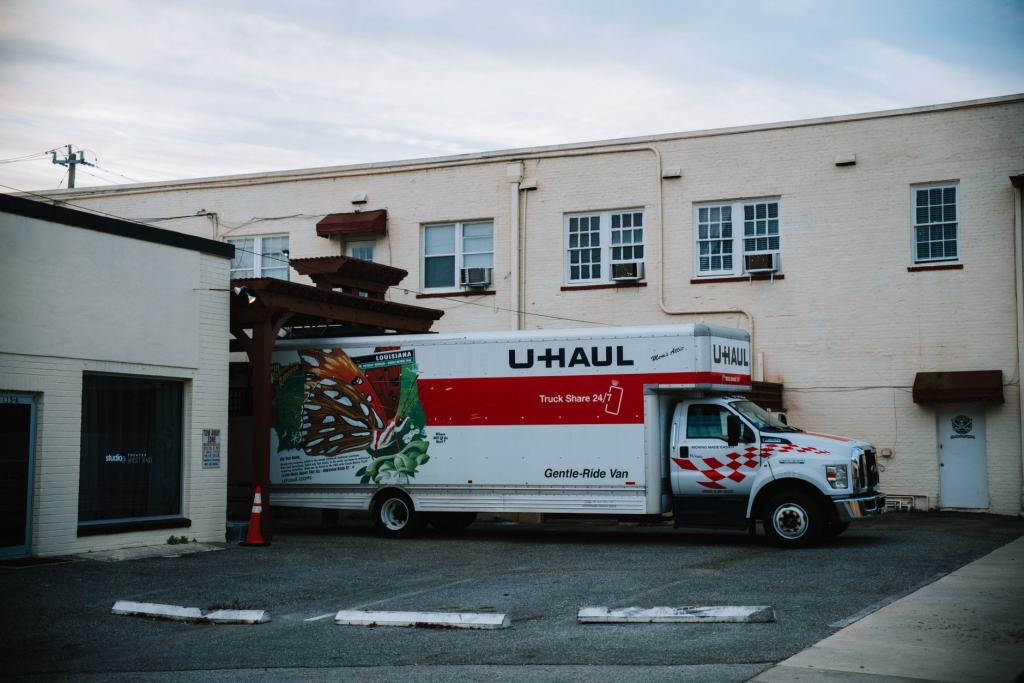
For anyone tracking Gen Z moving states this year, the map has a clear shape: Texas sits at the top, California comes next, and New York rounds out the top three. The ranking comes from U-Haul's 2026 midyear migration report, which sorted one-way truck rentals by the renter's generation across a 52-week stretch from last summer through this June. Young adults are picking places with dense populations, plenty of colleges, entry-level jobs and apartments they can actually get, according to the company's analysis.
The takeaway is not just where Gen Z is going. Every generation is going somewhere different, and the Gen Z moving states list looks nothing like the ones for older renters. Baby Boomers are heading to the Southeast for retirement, with South Carolina, North Carolina and Florida taking their top three spots. Gen X put Florida first, then Texas and South Carolina. Millennials chose Florida, Texas and California. Florida is the only state that shows up in the top ten for all four generations, USA Today reported.
Big cities are winning the youngest renters
The metro-level numbers sharpen the picture. New York City took the top net-gain spot for Gen Z movers, ahead of Dallas-Fort Worth, Chicago, the San Francisco Bay Area and Los Angeles. Austin, Charlotte, Denver, Seattle and Houston complete the list. That is a strong showing for big metros after years of headlines about Americans leaving cities. Gen Z is moving back into them.
Part of that is life stage. The youngest renters are the ones most likely to need a first apartment near a campus or a first job, and those cluster in large cities. The report's own read is that Gen Z gravitates to densely populated markets with colleges, entry-level jobs and apartment access. It also helps that several of the winning metros, Dallas and Houston especially, pair job growth with rents that are easier than the coasts.
Texas's position on the Gen Z moving states ranking deserves a closer look, because the draw is really its cities. Dallas-Fort Worth, Houston and Austin all made the national metro top ten for young renters. Illinois made the state top ten largely on Chicago's pull, and California's showing rests on the Bay Area and Los Angeles. The pattern suggests young movers pick job markets first and states second.
There is an important caveat to the Gen Z moving states data. U-Haul's numbers reflect its own customers, not the whole population, and renters who hire a truck skew younger and more mobile than the average household. The rankings measure net gains in one-way equipment among those renters, not census-style migration. Still, the sample is large, and the generational split is the point: the same country, measured the same way, produces four different maps.
New York's third-place finish is part of that urban pull. New Jersey also cracked the young renters' top ten, and Pennsylvania joined them, which suggests the Northeast corridor still draws early-career movers even as the South wins on volume. Millennials and Gen X made up most of U-Haul's one-way traffic, so the Gen Z numbers describe a smaller but fast-moving slice of renters choosing cities over suburbs.
What the generational split says
The split reads like a life-stage chart. Boomers are chasing retirement and lifestyle in the Carolinas and Arizona, with South Carolina first. Gen X and Millennials dominate one-way rental volume outright: Millennials accounted for the largest share of one-way U-Haul transactions, followed by Gen X, and the two groups combined made up more than sixty percent of the moves the company tracked. Gen Z is the smallest renter group but the one drawing the most attention, because where the youngest workers go previews where jobs and housing demand are heading.
That preview points back to cities. The company's national report and USA Today's coverage both land on the same conclusion: the youngest generation is betting on big, job-dense metros. For readers watching Gen Z moving states as an economic signal, the message from the midyear data is straightforward, and the truck rentals are piling up behind it.
Comments 0
No comments yet. Be the first to share your thoughts!
Leave a comment
Share your thoughts. Your email will not be published.