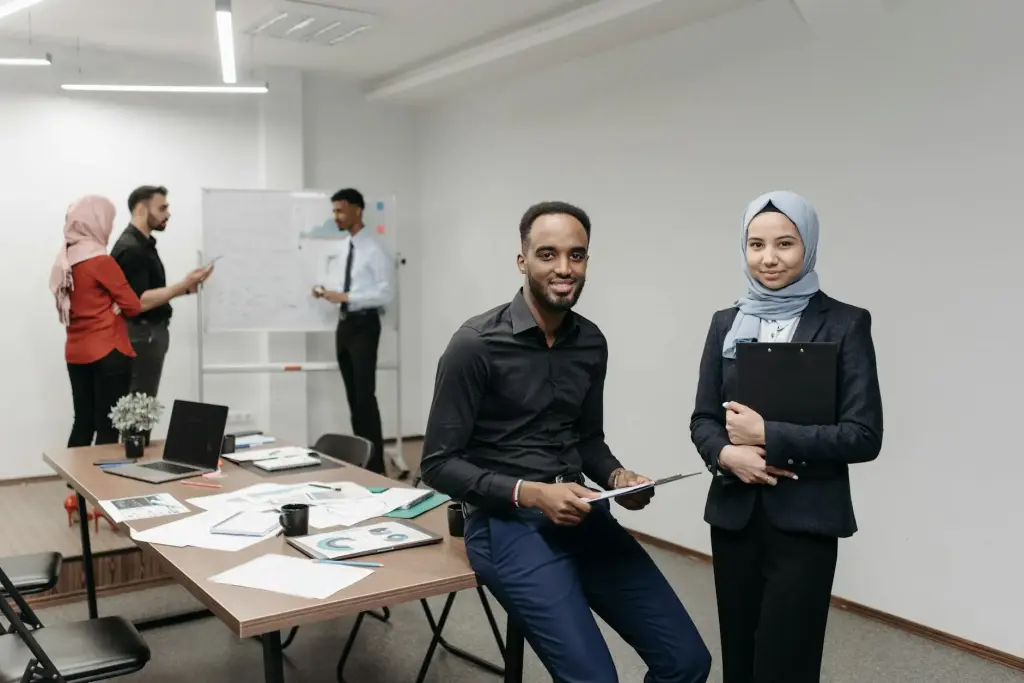
Gen Z lifestyle trends 2025 have fundamentally reshaped how young people approach work, entertainment, and social relationships in a post-pandemic world characterized by rapid technological change and evolving cultural norms. This generation, born roughly between 1997 and 2012, has entered adulthood with distinct values and expectations that are transforming everything from corporate culture to entertainment consumption patterns and social activism approaches. According to BBC Business reporting, companies across industries are adapting their practices to attract and retain Gen Z talent who prioritize purpose, flexibility, and authenticity over traditional markers of career success such as salary alone.
Workplace Transformation and Career Priorities
The Gen Z lifestyle trends 2025 around work reflect a generation that witnessed their parents struggle with work-life imbalance and experienced remote learning during formative years, shaping their expectations for professional life in lasting ways. Remote and hybrid work arrangements have become non-negotiable for many young professionals who value flexibility over traditional office perks, forcing employers to rethink how they structure positions and measure productivity across their organizations. Mental health considerations have moved from the periphery to the center of workplace discussions, with Gen Z employees expecting employers to provide meaningful support rather than superficial wellness programs that fail to address root causes of stress and burnout.
Career development within Gen Z lifestyle trends 2025 emphasizes continuous learning and skill acquisition over loyalty to single employers, with young professionals comfortable changing jobs frequently to advance their careers and expand their capabilities. According to LinkedIn workplace trends analysis, this generation approaches careers as portfolios of experiences rather than linear progressions up corporate ladders that previous generations often pursued. Side hustles and entrepreneurial ventures have become normalized as young people seek multiple income streams and creative outlets beyond their primary employment, reflecting economic necessity and desire for autonomy in equal measure.
Entertainment and Digital Culture Evolution
Entertainment consumption within Gen Z lifestyle trends 2025 has shifted dramatically toward short-form video content, interactive experiences, and community-driven platforms that blur the line between content creators and audiences. TikTok and similar platforms have established new expectations for entertainment that is authentic, immediately engaging, and easily shareable within social circles that extend beyond geographic boundaries through digital connections. Streaming services have responded by developing content that works across formats and platforms, recognizing that young viewers often consume media on phones while multitasking rather than through traditional dedicated viewing experiences on larger screens.
The creator economy represents one of the most significant aspects of Gen Z lifestyle trends 2025, with many young people aspiring to content creation careers that offer creative freedom and direct audience relationships unavailable through traditional employment pathways. According to CNBC technology coverage, platforms have invested heavily in tools and monetization features that enable creators to build sustainable businesses from their content, transforming entertainment from passive consumption to active participation in cultural production and distribution.
Social Values and Activism Integration
Social consciousness permeates Gen Z lifestyle trends 2025, with young people expecting the brands they support, the companies they work for, and the influencers they follow to demonstrate authentic commitment to causes ranging from climate action to social justice. This generation has grown up with unprecedented access to information about global issues, creating expectations that individuals and institutions should take meaningful action rather than offering empty platitudes or performative gestures that lack substance. For young consumers, purchasing decisions have become political statements as they research company practices and leadership positions before supporting brands with their money and attention.
The integration of activism into daily life distinguishes Gen Z lifestyle trends 2025 from previous generations who often separated political engagement from personal consumption and career choices in ways that now seem outdated. Young people today expect alignment between their values and all aspects of their lives, from the products they buy to the employers they work for and the content they share on social media platforms. This holistic approach to living authentically presents both challenges and opportunities for institutions seeking to engage with a generation that demands consistency between stated values and actual practices.
Comments 0
No comments yet. Be the first to share your thoughts!
Leave a comment
Share your thoughts. Your email will not be published.