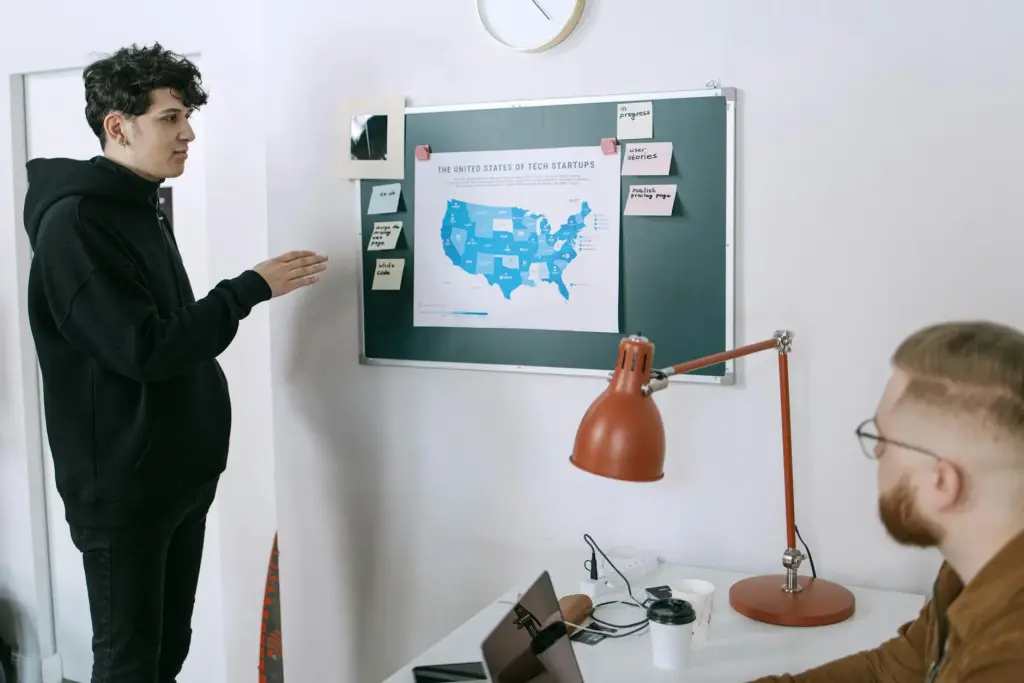
The American Dream is getting a major Gen Z makeover, and the data just dropped to prove it. According to the 2026 Wells Fargo Money Study released today, young adults are completely rethinking what financial success actually looks like—and it's not the traditional 9-to-5 grind their parents chased. The research reveals a generation hungry for Gen Z business ownership but trapped in an economic reality that makes those dreams difficult to achieve without help.
Why Gen Z Is Obsessed With Entrepreneurship
Eighty percent of Gen Z adults say owning a business would allow them to control their own destiny, according to the study. That's not just a statistic—that's a generational mindset shift. While Millennials are close behind at 67%, Gen Z is leading the charge toward entrepreneurship as a form of financial independence and personal control.
The research highlights a major pivot in how younger generations view work and wealth. Instead of climbing corporate ladders, Gen Z is looking to build their own ladders entirely. The study found that artificial intelligence is playing a growing role in financial decision-making, with many young investors turning to AI tools for guidance on everything from stock picks to savings strategies.
This desire for Gen Z business ownership stems from witnessing economic instability during formative years. The 2008 financial crisis, the pandemic-era economic disruption, and recent inflation have all contributed to a deep-seated belief that traditional employment offers less security than being your own boss. Young adults today see entrepreneurship not just as a path to wealth, but as essential self-preservation in an unpredictable economy.
The Parental Support Paradox
Here's where things get complicated. While Gen Z dreams of business ownership, the financial reality is brutal. The Wells Fargo study reveals that 64% of parents with Gen Z children ages 18 to 28 say their kids still rely on them financially—whether for direct money, housing, or other forms of support. Business Insider reports that millennials currently outspend Gen X, showing how different generations navigate economic pressures differently.
This creates a fascinating paradox: a generation that wants complete financial independence is still heavily dependent on family support to survive. According to the research, nearly half of all consumers (47%) have been putting more into savings and investments over the past year, marking a significant increase compared to previous years of the study.
Financial experts say this tension between independence dreams and economic reality is defining the Gen Z experience. Housing costs remain sky-high, with median rents in major cities consuming 40-50% of entry-level incomes. Student debt continues to burden millions, with the average graduate carrying over $30,000 in loans. Entry-level wages haven't kept pace with inflation—making the leap to entrepreneurship feel risky even for the most motivated young founders.
Despite these challenges, the entrepreneurial spirit isn't dying. If anything, economic pressure is fueling more creative approaches to business ownership. Side hustles are evolving into full ventures, and digital-native Gen Z entrepreneurs are leveraging social media and e-commerce platforms to launch businesses with lower startup costs than traditional brick-and-mortar models required.
The rise of platforms like TikTok Shop, Instagram Commerce, and Shopify has democratized access to entrepreneurship. Young founders can now test business ideas with minimal upfront investment, pivot quickly based on real-time feedback, and scale without the massive capital requirements that once gated business ownership behind generational wealth.
The Wells Fargo findings suggest we're witnessing a fundamental redefinition of the American Dream—one where business ownership isn't just about wealth accumulation, but about taking control in an unpredictable economy. For Gen Z, being your own boss might be the ultimate flex, even if Mom and Dad are still helping with rent.
As this generation continues to mature economically, the question isn't whether they want businesses—the data shows they absolutely do. The real question is whether economic conditions will allow their entrepreneurial ambitions to flourish or force them to remain dependent on the very systems they hope to eventually escape.
Comments 0
No comments yet. Be the first to share your thoughts!
Leave a comment
Share your thoughts. Your email will not be published.