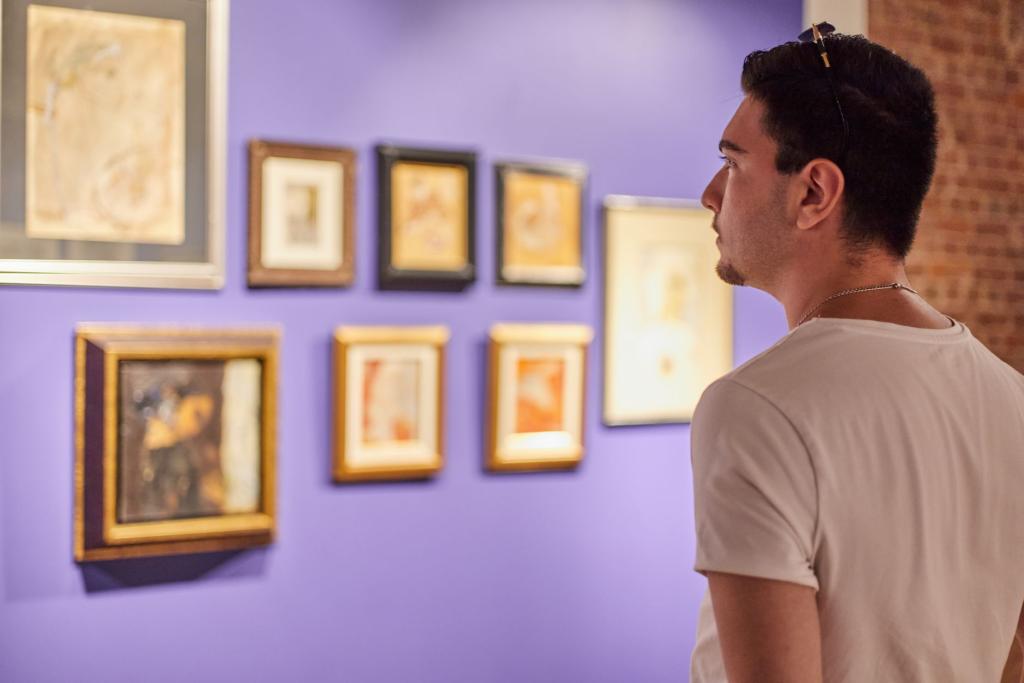
Gen Z art collecting is rewriting the art market's money map, and the latest numbers from the industry's biggest collector survey are hard to wave away. Wealthy young buyers are now outspending every older generation on fine art, according to the new Survey of Global Collecting from Art Basel and Swiss bank UBS. The report surveyed thousands of high-net-worth buyers across ten major markets, and it found Gen Z collectors spent more than twice as much as their elders during the past year and the first half of this one.
The money map
The gap is wide. The average Gen Z collector spent $347,000 on fine art over the past year, reported by Reuters, while Gen X collectors averaged seventy-nine thousand dollars in the same period. The survey covered the full 2025 calendar year and the opening six months of this one. Baby boomers ranked as the second-biggest spenders, with millennials right behind them, which left Gen X as the most frugal group in the survey. The study defines Gen Z as buyers between twenty and twenty-nine, the youngest adult generation in the market.
Family money plays a bigger role than most market watchers assumed. Forty percent of the young collectors said family influence was their primary route into collecting, a far higher share than in any older generation. Younger buyers also keep more traditional tastes: painting and sculpture remain their favorite categories, much as they do for older collectors. It is the kind of taste profile dealers once assumed belonged only to older money. "Some aesthetic preferences remain more consistent across generations than is often assumed," said Paul Donovan, chief economist at UBS Global Wealth Management, in the report.
Private buyers, public feeds
Young collectors also buy differently. They were far more willing to take a chance on an unknown name, with 56% purchasing work by an unfamiliar artist compared with 36% of boomers. Women of all ages showed the same openness, at 49% versus 43% for men. About a third of collectors now turn to social media for buying advice, with Instagram and X ranking high, and younger collectors use those channels more than anyone else. Artificial intelligence is moving fast through the market too: the share of collectors using apps or AI tools for purchase research jumped from 4% in 2024 to 22% this year, a fivefold rise, and most expect AI to keep improving how they discover, value, and verify art.
For a generation that lives online, these collectors are surprisingly private about what they own. The survey's new section on sharing habits found 39% of Gen Z keep their collections to in-person viewings with close family and friends, nearly twice the rate of any other generation. They also lead every generation in locking down their art-related content online. Yet their confidence in the market runs high: 57% of respondents expect the fine art market to keep growing through the rest of the year, rising to 60% over a ten-year horizon, with Gen Z the most optimistic group across every time frame. Price transparency and data security ranked as the leading concerns.
The big-ticket end of the market tells the same story. Among the small group of collectors who bought a work priced above a million dollars last year, roughly half were Gen Z. At the same time, most buying still happens at far lower prices: 77% of the high-net-worth buyers surveyed had spent under fifty thousand dollars on fine art so far this year, and 84% stayed under one hundred thousand dollars. That split says something about Gen Z art collecting as a whole: it can be both a serious asset and an accessible one.
The takeaway for Gen Z investors is diversification. The report is produced by Arts Economics for Art Basel and UBS, and this is its fifth edition. Art now sits alongside stocks and crypto in the portfolios of the youngest wealthy generation, and the market's mood backs them up. With young buyers leading both spending and optimism, the stereotype of art as an old-money hobby looks increasingly out of date. Whether the growth forecasts hold is an open question, but for now the data points one way: the art market's future is being bought by its youngest collectors.
Comments 0
No comments yet. Be the first to share your thoughts!
Leave a comment
Share your thoughts. Your email will not be published.