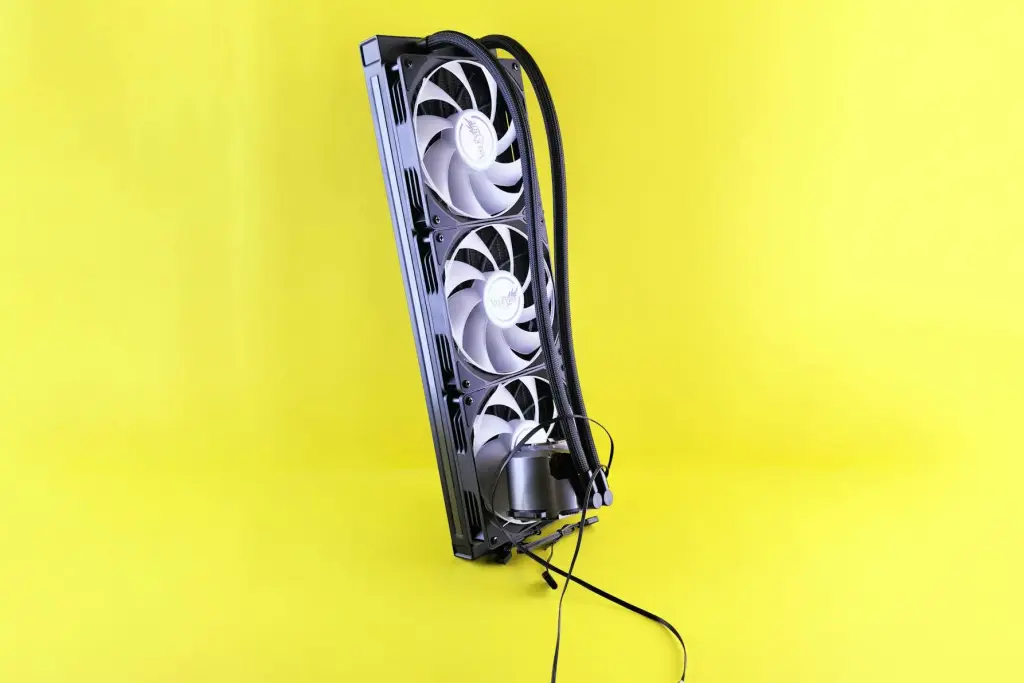
The Galaxy S26 Ultra cooling system has been completely redesigned, and honestly, it's giving major PC gamer energy with its four-layer thermal setup that's straight-up next level. If you're someone who games hard on your phone or constantly runs demanding apps, you know the struggle of dealing with a device that heats up way too fast. Well, Samsung just came through with a solution that literally hits different. According to the latest teardown from PBKreviews on YouTube, Samsung borrowed some serious cooling tech from the desktop PC world to keep this beast running smooth.
Meet the Four-Layer Cooling Setup
Let's break down what's actually happening inside your future phone. The Galaxy S26 Ultra cooling system uses four different thermal elements working together like a well-oiled machine. First up is the vapor chamber that spreads heat across a wider surface - this is the core of the cooling system and it's been upgraded for better performance.
Then you've got graphite pads that help dissipate heat throughout the chassis. Thermal pads transfer heat between components, and the real star of the show is thermal paste for better heat dissipation. The addition of thermal paste is pretty huge because it's a cooling technique more commonly associated with desktop PCs and laptops, not smartphones.
Why the Galaxy S26 Ultra Cooling System Actually Matters
Here's the tea — modern flagship phones pack extremely powerful processors that inevitably run hot. The Galaxy S26 Ultra is powered by Qualcomm's Snapdragon 8 Elite Gen 5 for Galaxy, which pushes insane performance for gaming and AI-powered tasks. As reported by CNET, Samsung redesigned the vapor chamber for better heat distribution. You can read more about it at CNET's coverage.
Studies show that overheating can significantly degrade battery health over time. Research from battery scientists indicates that phones running at higher temperatures experience faster capacity degradation. Better thermal management literally means your phone's battery is going to last longer in the long run. Nobody wants their $1,200 phone turning into a handheld heater after a year!
The best part about the Galaxy S26 Ultra cooling system? This isn't just about keeping things cool — it's about maintaining peak performance. When your phone overheats, it typically throttles its processor to prevent damage, which means your games start lagging and apps freeze. With this improved cooling setup, you should be able to push your phone harder without experiencing those annoying slowdowns.
How the Galaxy S26 Ultra Cooling System Stacks Up
When you look at what other flagship phones are bringing to the table in terms of cooling, Samsung is clearly trying to set a new standard. According to The Verge, Apple's iPhone 16 Pro Max still relies on a traditional heat dissipation system without the thermal paste treatment. Other Android competitors like the Pixel 10 Pro haven't made the leap to multi-layer thermal solutions yet.
Engadget recently noted that Samsung's approach with the four-layer system is the most comprehensive cooling solution we've seen in a mainstream flagship phone. This is a big deal because as phones get more powerful, cooling becomes even more critical for sustained performance. You can check out Engadget's full review for more details on how this phone performs in real-world tests.
What This Means for Gen Z Users
For the Gen Z crowd that lives on their phones, the Galaxy S26 Ultra cooling system translates to real-world benefits. Whether you're streaming your favorite mobile games, editing videos for TikTok, or using AI features to enhance your photos, the improved cooling ensures your phone stays responsive. No more frustrating slowdowns when you're in the middle of an intense gaming session or recording an important video for your followers.
The Galaxy S26 Ultra launched on March 11, 2026, and it's available through all major carriers with prices starting at $1,199. For more details on Samsung's latest flagship, check out our comprehensive coverage of the Galaxy S26 lineup. We've also covered the camera improvements and battery life enhancements in separate articles.
Comments 0
No comments yet. Be the first to share your thoughts!
Leave a comment
Share your thoughts. Your email will not be published.