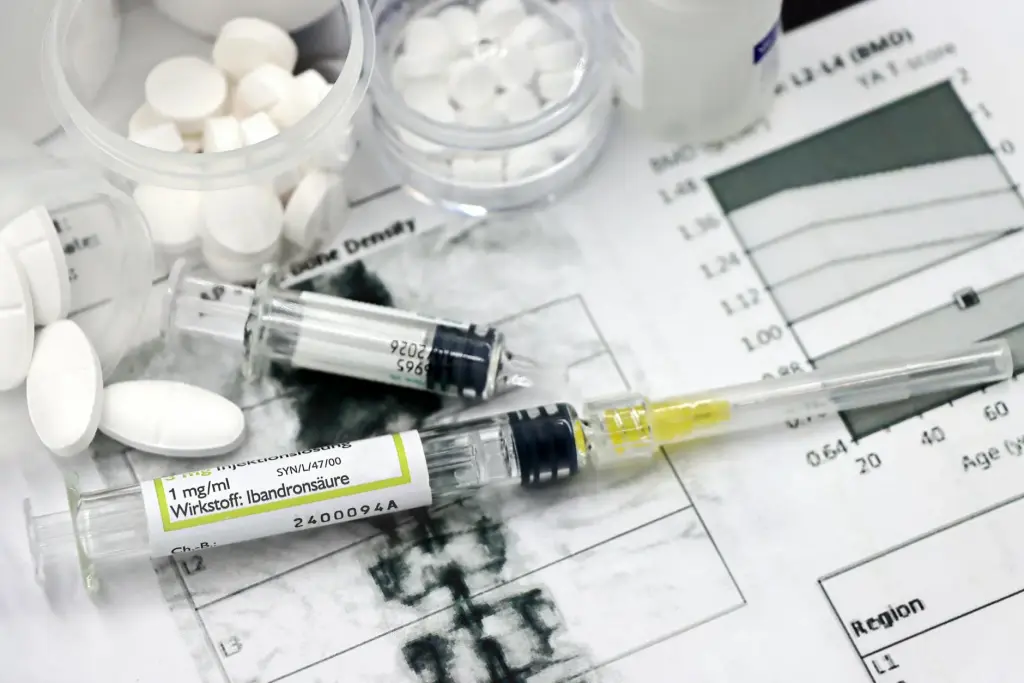
The FDA just made a major move that could change everything for thousands of families battling spinal muscular atrophy. On March 30, 2026, the U.S. Food and Drug Administration approved a high-dose regimen of SPINRAZA, giving patients access to a more powerful version of the breakthrough therapy that's already transformed lives since 2016. This SPINRAZA SMA treatment advancement means patients across all stages of this challenging genetic disease could see even greater benefits.
Spinal muscular atrophy, commonly known as SMA, is a devastating neuromuscular disorder that progressively weakens muscles and affects movement. For years, families facing this diagnosis had virtually no treatment options, only uncertainty about what the future would hold. The arrival of SPINRAZA changed everything, becoming the first real hope for a condition that previously had none. According to research published by the Muscular Dystrophy Association, this therapy has already helped thousands of patients worldwide since its initial approval.
How This SPINRAZA SMA Treatment Breakthrough Works
The science behind this therapy is genuinely fascinating and represents decades of persistent research. According to BioSpace, the treatment works using antisense oligonucleotide technology, essentially helping the body produce a crucial protein that SMA patients lack. The newly approved high-dose regimen was developed by Biogen based on findings from the DEVOTE study, which showed that delivering a higher concentration of the drug during both loading and maintenance phases could lead to greater clinical benefits.
Dr. Richard Finkel, a leading SMA expert from St. Jude's Children's Research Hospital who has been involved in many of the pivotal SPINRAZA trials, shared his perspective on this milestone. He noted that by optimizing the dosing, doctors now have the opportunity to deliver even greater and more sustained benefits to patients across the entire spectrum of the disease. This kind of progress doesn't happen overnight, it reflects the continued innovation and commitment of the scientific community to improving outcomes for everyone affected by this condition.
The Human Story Behind the Science
Behind every medical breakthrough are real people whose lives are transformed, and the SPINRAZA SMA treatment story is no different. Mindy Henderson, who now serves as Vice President of Disability Outreach and Empowerment at the Muscular Dystrophy Association, knows this journey personally. She lives with SMA herself and was among the very first people in Texas to access SPINRAZA after its original FDA approval nearly a decade ago.
When Henderson was initially diagnosed, there were absolutely no treatments available for spinal muscular atrophy, only the uncertainty of what the future would bring. She describes SPINRAZA as literally changing the course of her life and giving her hope she never thought she would see. Her experience represents the kind of transformation that makes medical research so essential for patients living with genetic diseases.
The roots of this breakthrough stretch back decades to pioneering work by Dr. Adrian Krainer at Cold Spring Harbor Laboratory. Supported by crucial research funding from the Muscular Dystrophy Association, Dr. Krainer's lab developed the antisense oligonucleotide approach that made this SMA treatment possible. He reflects that when they first began exploring this therapy, it was difficult to imagine how far it could ultimately go. The support from organizations like MDA at critical moments was instrumental in advancing the science to where it stands today.
For Gen Z readers who might not be familiar with spinal muscular atrophy, this disease affects approximately one in every 10,000 births, making it relatively rare but devastating for those impacted. The condition progressively weakens muscles, making everyday activities like walking, breathing, and swallowing increasingly difficult. Before treatments like SPINRAZA became available, the most severe forms were often fatal in early childhood.
Angela Lek, PhD, Chief Research Officer at the Muscular Dystrophy Association, expressed excitement about what this milestone means for the SMA community. She emphasized that this treatment has already transformed countless families' lives, and the high-dose regimen approval opens the door to even greater improvements in strength, function, and overall quality of life. At MDA, the commitment remains to continuing research and supporting the community through every advancement in SMA care.
The FDA's approval of this high-dose SPINRAZA SMA treatment represents more than just a medical technicality. It shows how sustained investment in research, collaboration between scientists and patient advocates, and persistence over decades can lead to real breakthroughs that change everything for patients and their families. For thousands of people living with spinal muscular atrophy, this news brings renewed hope for a stronger, more independent future.
Comments 0
No comments yet. Be the first to share your thoughts!
Leave a comment
Share your thoughts. Your email will not be published.