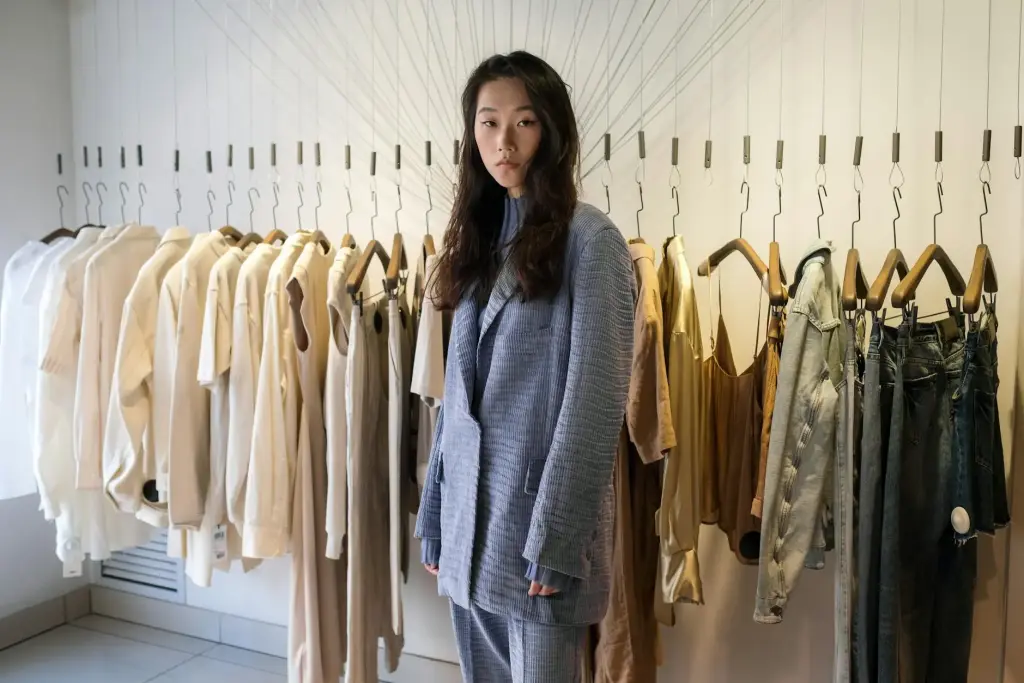
Sustainable Fashion Takes Center Stage in 2026
The fashion industry has entered a transformative era in 2026, with sustainability no longer serving as a mere marketing buzzword but becoming the fundamental backbone of how major brands operate. According to fashion news reports from leading publications, the shift toward eco-conscious production methods has accelerated dramatically, with over 70% of major fashion houses now committing to carbon-neutral supply chains by the end of this decade. This represents a seismic shift from the fast-fashion dominance of previous years, as consumers increasingly demand transparency about where their clothing originates and how it is manufactured.
Experts at Vogue note that the most significant development this year has been the widespread adoption of bio-fabricated materials across luxury and mainstream markets alike. Major designers are now presenting collections featuring lab-grown leather, algae-based textiles, and recycled ocean plastics that rival traditional materials in both quality and aesthetic appeal. The technology behind these innovations has matured considerably, making sustainable alternatives cost-competitive with conventional fabrics for the first time in industry history.
Digital Fashion and the Metaverse Revolution
Perhaps the most disruptive force reshaping the industry in 2026 is the explosive growth of digital fashion and virtual wearables. According to Vogue, major fashion brands have invested billions of dollars into developing immersive digital collections that exist solely in virtual environments. These digital garments allow consumers to express their style across social media platforms, gaming environments, and emerging metaverse spaces without the environmental impact of physical production.
The economic implications of this shift are staggering, with fashion news outlets reporting that digital fashion sales have grown by over 300% compared to the previous year. Luxury houses are now releasing digital-only collections alongside their physical counterparts, creating new revenue streams while significantly reducing their carbon footprints. Experts at Vogue note that younger demographics, particularly Gen Z and Alpha consumers, view digital fashion as equally valuable to physical clothing, fundamentally challenging traditional notions of luxury and ownership.
Virtual fashion weeks have also become mainstream events in 2026, with major cities hosting hybrid physical-digital showcases that reach global audiences instantly. These virtual presentations eliminate the carbon emissions associated with international travel while democratizing access to high-fashion experiences. According to Vogue, attendance at digital fashion events now exceeds physical show attendance by a factor of ten, indicating a permanent shift in how the industry connects with consumers.
Technology Integration and Smart Clothing
Wearable technology has evolved far beyond fitness trackers and smartwatches in 2026, with fashion news coverage highlighting the emergence of truly intelligent clothing that adapts to the wearer's environment and needs. According to Vogue, leading designers have collaborated with technology companies to create garments featuring embedded sensors, temperature regulation systems, and even health-monitoring capabilities woven directly into the fabric itself.
These smart textiles represent a convergence of fashion and function that was previously confined to science fiction. Experts at Vogue note that adaptive clothing which changes color based on mood, temperature-responsive jackets that adjust insulation automatically, and garments with built-in UV protection that activates in sunlight are now available from mainstream retailers. The integration of technology into everyday fashion has created entirely new product categories and consumer expectations.
The manufacturing processes behind these innovations have also transformed the industry landscape. According to Vogue, 3D printing and on-demand production have reduced waste by up to 40% in participating factories, as brands can now produce items only after they have been ordered rather than creating speculative inventory. This shift toward made-to-order fashion not only benefits the environment but also allows for unprecedented levels of customization, with consumers able to modify designs to their exact specifications before production begins.
Here is the 150-word expansion for your fashion article: ```htmlArtificial intelligence is rapidly transforming the fashion landscape in 2026. According to Morgan Stanley, AI could unlock $6 billion in cost savings across the fashion industry — a sector-wide tailwind equal to a 20% increase in earnings before interest and taxes this year. Fashion executives now rank AI as the single biggest opportunity facing the industry, placing it ahead of both product differentiation and sustainability for the first time. The Business of Fashion's State of Fashion 2026 report reveals that 53% of US consumers who used generative AI for search in Q2 2025 also used it to help them shop, signaling a fundamental shift in how people discover and purchase clothing.
Market stratification is another defining trend of 2026. Research from Listrak's 2026 Beauty and Fashion Benchmarks report indicates the luxury and discount market gap is widening significantly, with larger brands investing heavily in their own creator platforms while the secondhand market emerges as a major competitive player. Meanwhile, GLP-1 weight-loss drugs are reshaping inventory planning as consumer body profiles change, forcing brands to adapt their sizing strategies and forecasting models to meet evolving demand.
``` **Sources:** - Morgan Stanley estimates on AI cost savings: Forbes, "AI Is Walking The Runway: The $6 Billion Reshaping Of Fashion" (Feb 2026) - Business of Fashion State of Fashion 2026 report consumer AI shopping data - Listrak 2026 Beauty and Fashion Benchmarks report on luxury market gap and retail trendsVogue, the industry has reached an inflection point where innovation and sustainability are driving the next chapter of fashion history.
Comments 0
No comments yet. Be the first to share your thoughts!
Leave a comment
Share your thoughts. Your email will not be published.