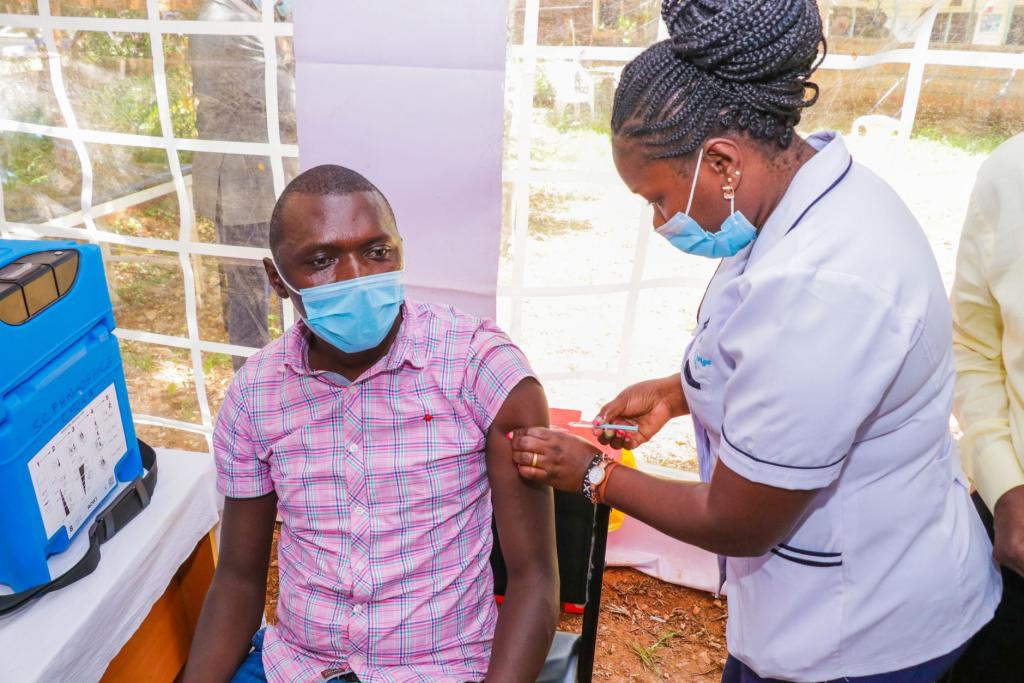
AAP FactCheck has debunked false social-media claims that Papua New Guinea is being used as a testing ground for the HPV Vaccine while African countries abandon it. The verdict, published on October 15, 2026, is false: the vaccine used in the country is not new, and most African countries have introduced their own HPV immunisation programmes. The claims began circulating after the Papua New Guinea government announced in September that it was embarking on a national immunisation programme to vaccinate around sixty thousand eligible girls aged between nine and fourteen, according to the World Health Organization.
The falsehoods appeared on social media within days of that announcement. One September 8 Facebook post, headlined "Say No to HPV Vaccine", alleged that PNG has no proper laboratories to test the shots and described the campaign as one of the "depopulation methods" targeted at removing the black population. The same post claimed that "all African countries are doing away" with the vaccines, and that PNG is being used as a "drug testing zone."
None of that holds up. A Gavi spokesperson told AAP FactCheck that the vaccine used in PNG is Gardasil, developed by the pharmaceutical firm Merck and co-developed by Australian researchers. It was first approved for use in Australia in 2006 and has been used in immunisation programmes around the world for many years. A UNICEF spokesperson said HPV shots have been used in the Pacific region since 2008, in both Fiji and the Solomon Islands, and that PNG's own Western Highlands Province began a local programme in 2024 under which almost twenty-nine thousand girls have already been vaccinated.
African countries are expanding the programme, not dropping it
The central claim about Africa is backwards. Dr Nosheen Safdar, from the WHO's Regional Office for Africa, told AAP FactCheck that the opposite is happening: thirty-six countries in the WHO African Region now vaccinate girls against the virus, three times as many as in 2019, and more are preparing to join them. Seven of those introductions, in Angola, Benin, Comoros, Ghana, Madagascar, Namibia and Burundi, took place since January 2025. A WHO spokesperson added that no countries in the region had announced plans to withdraw or stop.
As of September 2026, the WHO's global map shows that thirty-six of the forty-seven countries in its African Region have introduced the HPV shot into their national immunisation programmes. The WHO African Region covers forty-seven of Africa's fifty-four countries; the remainder fall under the organisation's Eastern Mediterranean region, where four nations also include the vaccine in their schedules. Dr Safdar told the fact-checkers that women in Africa face some of the highest cervical cancer death rates in the world, and that the vaccine, used safely around the world for twenty years, is one of the most effective tools available to prevent it.
Why the rollout matters, and why the rumours travel
The stakes in PNG are real. The national rollout is being led by the country's National Department of Health in collaboration with the Australian government, UNICEF, WHO, Gavi and community groups, according to a joint press release. HPV shots protect young people against sexually transmitted infections that can cause several types of cancer, including cervical cancer, and reaching girls before they are exposed is the whole point of the campaign. The programme expects to reach sixty thousand girls in its first phase.
The rumours follow a familiar pattern: a new health programme in a low-income country, a real announcement, and then claims of secret testing that prey on historical distrust of medical authorities. The "depopulation" language used in the PNG posts echoes older conspiracy narratives that have shadowed vaccine campaigns for decades, from polio drives to Covid. Fact-checkers say such claims often arrive fastest precisely where public communication is thinnest, and they are hardest to dislodge once screenshots are reshared beyond the original posts.
For readers in PNG, the check matters because the shots are free, safe and proven. For everyone else, it is a reminder of how quickly a false screenshot can outrun a government press release, and why checking the verdict of an accredited fact-checking organisation, such as AAP FactCheck, an accredited member of the International Fact-Checking Network, matters more than the confidence of a viral post.
Comments 0
No comments yet. Be the first to share your thoughts!
Leave a comment
Share your thoughts. Your email will not be published.