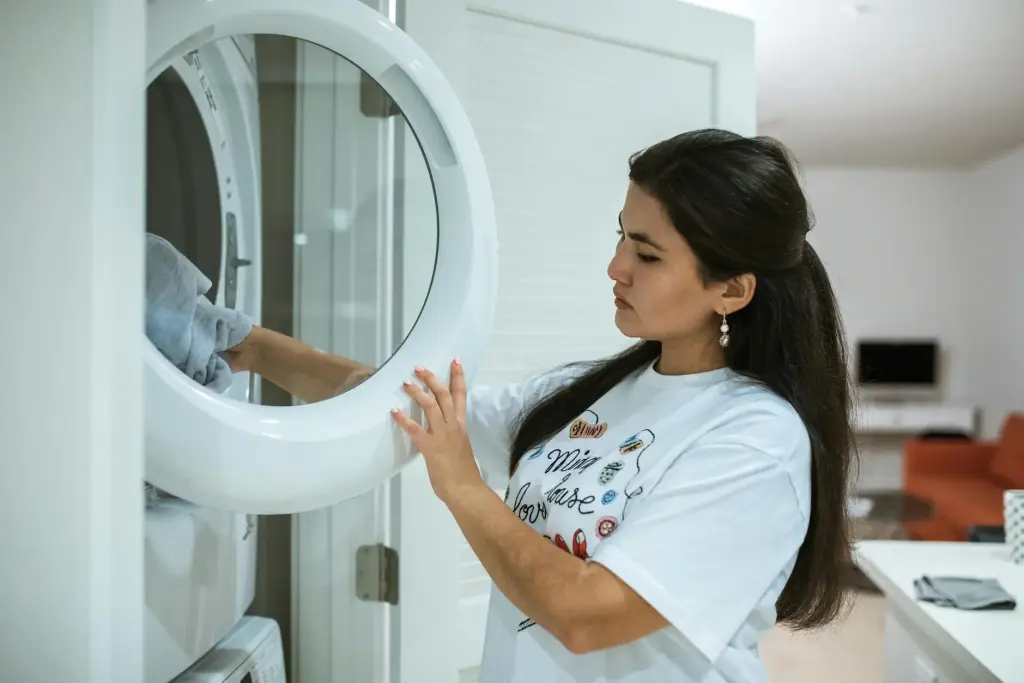
Laundry becomes expensive when people treat every load the same. Dark colors bleed, delicates stretch, towels trap lint, and overdosed detergent leaves residue that feels like dirt never really left the fabric. Laundry basics are not about making wash day complicated. They are about building a repeatable system that protects clothes, prevents odor buildup and keeps machines from doing sloppy work.
According to American Cleaning Institute, smart washing begins with reading care labels, sorting by color and soil level, and avoiding the common mistake of using more detergent than necessary. That matters because most laundry problems start before the cycle begins, not after the buzzer goes off.
Sort with more intention than just lights versus darks
Color still matters, but it is only the first sort. Heavily soiled items need different treatment than lightly worn basics, and delicate fabrics should not be slammed around with towels, denim and hoodies. Laundry basics work better when loads are grouped by both color and fabric behavior, because that keeps friction, lint transfer and dye bleeding from stacking on top of each other.
This also makes stain treatment more realistic. A sweaty gym shirt, a muddy pair of pants and a lightly worn T-shirt do not need the same cycle or the same urgency. Sorting by soil level helps the washer clean efficiently instead of redistributing grime across an entire mixed load.
Read the care label before guessing at temperature or cycle
Care labels look minor until a shirt shrinks, a sweater felts or a synthetic piece comes out holding on to odor because the cycle was wrong. Laundry basics start with the tag because the tag is the closest thing to the manufacturer telling you how the garment was built to survive repeated cleaning.
Cold water is often enough for routine loads, but that does not mean every garment wants the same wash or dry setting. Some fabrics need lower heat, shorter agitation or air drying. Reading the label once is faster than replacing clothes because guesswork went badly.
Detergent should match the load instead of overpowering it
One of the most common laundry myths is that more detergent means cleaner clothes. In reality, excess detergent can leave residue in fabric and inside the washer, especially in high-efficiency machines. Laundry basics improve when detergent is measured for the load size, water hardness and soil level instead of poured by instinct.
The same restraint applies to softener and scent boosters. Too much product can mask odor without removing it and can make absorbent items like towels perform worse. Clean fabric should feel clean, not coated.
Drying and storage matter as much as the wash cycle
Dryers ruin plenty of otherwise good laundry habits. High heat can shrink cotton, damage elastic and lock in wrinkles that never needed to form. Pulling clothes promptly, using lower heat when possible and cleaning the lint trap consistently protect both the garments and the machine.
Laundry basics are simple once the system is set: sort carefully, check the label, measure detergent and finish the load properly. That routine keeps clothes looking better and reduces the small errors that quietly wear out a wardrobe.
That is why laundry should feel controlled rather than random. A better wash day is usually the result of fewer guesses and better preparation.
Load size and detergent amount matter as much as sorting
One of the fastest ways to get mediocre laundry is to overload the machine and then compensate with more detergent. The American Cleaning Institute notes that more soap is not automatically better. A crowded washer limits movement, traps soil and can leave residue in the fabric, especially when extra detergent is added on top of an overloaded drum.
That is why laundry basics are about matching the load to the cycle. Clothes need enough room to move, rinse and spin properly. Reading the garment label, measuring detergent and leaving space in the washer usually does more for clean, long-lasting clothes than buying a more aggressive product.
Comments 0
No comments yet. Be the first to share your thoughts!
Leave a comment
Share your thoughts. Your email will not be published.