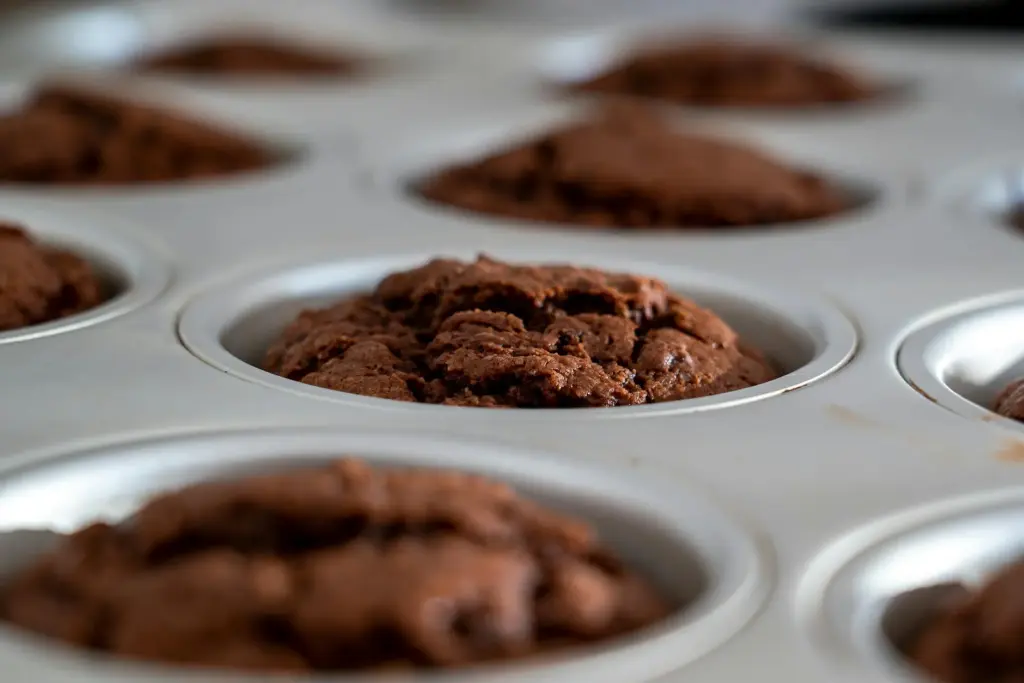
Brownies look simple, which is why so many bad batches happen. When the batter is overmixed, the pan is wrong, or the bake goes a few minutes too long, the result swings from dry cake to greasy sludge. Brownie basics are really about balance: enough fat for richness, enough cocoa or chocolate for depth, and enough restraint to pull the pan before the texture turns tight and crumbly.
According to King Arthur Baking, its classic fudge brownie method relies on a relatively small ingredient list, a measured pan size and a bake that stops while the center still looks slightly underdone. That is why brownie basics work best when the baker pays attention to method rather than trying to rescue the texture after the pan comes out of the oven.
Use the right pan and keep the ingredient balance stable
Brownies are especially sensitive to pan size because depth changes baking speed. A thinner layer bakes faster and dries faster, while a smaller pan creates a thicker center that needs more time. If a recipe was built for an 8-inch square pan and gets spread into something wider, the bake can look finished before the texture has had a chance to set properly.
The fat and sugar balance matters just as much. Butter adds flavor and tenderness, sugar helps create the shiny top and moist crumb, and eggs help the batter hold together. Brownie basics therefore start with keeping those proportions steady instead of improvising with large swaps on the first attempt.
Mix just enough to create a smooth batter
Brownie batter should be smooth, but it does not need to be beaten like cake. Once the melted butter, sugar, eggs and cocoa are combined, the flour only needs enough mixing to disappear. Overworking the batter can build structure that makes the final pan more cakey than fudgy.
This is also where add-ins need restraint. Chocolate chips, nuts or swirls can work, but they change moisture and baking behavior. Brownie basics are easier to judge on a plain batch first, because the baker can see whether the texture is right before adding more variables.
Pull the pan while the center still has a little softness
The most common brownie mistake is waiting for a perfectly clean tester. Brownies are usually better when the center still gives a few moist crumbs rather than baking all the way to a dry pick. Residual heat continues setting the pan after it leaves the oven, so overbaking often starts with trusting the oven more than carryover heat.
A gentle shake should show the center looking set but not hard. Edges should look slightly firmer than the middle, and the top should no longer seem wet. Brownie basics depend on learning that point and respecting it instead of giving the pan “just a few more minutes.”
Cool before cutting and store with the texture in mind
Brownies cut more cleanly after they cool because the structure finishes settling. Cutting too early can make even a good batch look messy and underbaked. If the goal is neat squares, patience matters almost as much as the bake itself.
For storage, keep brownies covered so they do not dry out overnight. If they need to hold for longer, airtight storage matters more than refrigeration, which can harden the crumb. Brownie basics are not complicated, but they do reward timing: right pan, gentle mixing, early pull and full cooling.
That is the whole point of brownie basics. A strong pan does not come from tricks. It comes from respecting texture at every step, from batter to cooling rack.
Cooling time is part of the bake, not an afterthought
Brownies can seem underdone or overdone simply because they are cut at the wrong time. A pan that rests long enough firms the center and lets the crumb settle, which makes the texture easier to judge honestly. Cutting too early turns steam and melted chocolate into a messy slice that can be mistaken for a baking error.
Pan prep matters too. Lining the pan well and using the correct size keep thickness and bake time aligned. Brownie basics work best when the cook respects the quiet steps after the oven: rest, cool and slice once the texture has actually set instead of forcing the result early.
Comments 0
No comments yet. Be the first to share your thoughts!
Leave a comment
Share your thoughts. Your email will not be published.