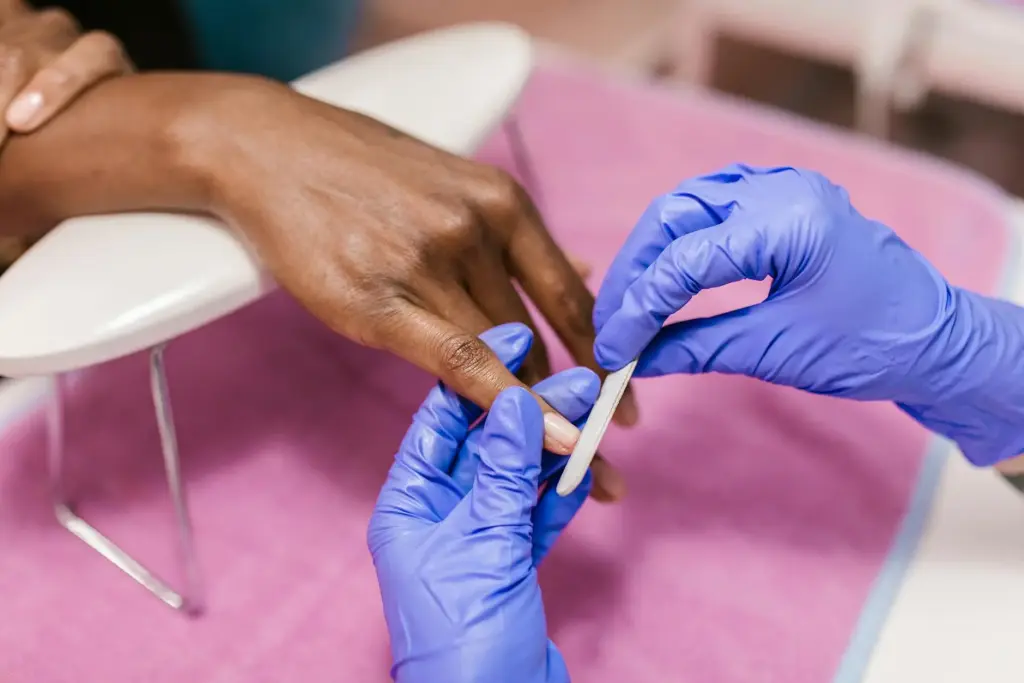
Brittle nails usually split, peel or crack because the nail plate is drying out or taking repeated physical stress. In many cases, the problem is not a lack of expensive treatment. It is repeated exposure to water, detergents, acetone, rough filing or manicure routines that never allow the natural nail to recover. The American Academy of Dermatology advises that identifying the trigger and restoring moisture is often the most practical first step.
That makes brittle nails a pattern problem. If someone washes dishes without gloves, removes gel polish with harsh products, files aggressively and skips moisturizer, the nails rarely get a chance to grow out stronger. Improvement is slower than people want because nails grow gradually, but consistent protection usually works better than buying several “strengthening” products at once.
Why nails become brittle in the first place
Nails can become fragile when they move through repeated wet-dry cycles, when solvents strip their surface, or when the nail plate is physically thinned by filing and removal. The AAD notes that brittle nails are common and can improve with frequent moisturising, especially after the hands get wet. The same logic explains why people who clean, wash hands often, swim regularly or work with chemicals may notice more splitting and peeling.
Artificial nails can also contribute. The AAD's advice on artificial nails explains that repeated application and removal can thin the natural nail and leave it weak for weeks. That does not mean every manicure is harmful, but frequent acrylic or gel cycles without breaks can keep the nail in a damaged state longer than people realise.
Daily habits matter more than quick fixes
The first practical fix is usually protection. Gloves for cleaning and dishwashing reduce exposure to water and detergent. Shorter nails reduce leverage and breakage while the damaged portion grows out. Applying fragrance-free hand cream or ointment after washing helps replace some of the moisture that daily routines strip away.
Harsh cuticle trimming and aggressive buffing are also common problems. The cuticle helps seal the skin around the nail, so repeatedly cutting or injuring it can increase irritation and infection risk. A gentler manicure routine, fewer polish-removal cycles and longer breaks between artificial sets often do more than constant product switching.
Helpful source guidance:
What a recovery routine should look like
A nail recovery routine is usually simple. Keep nails trimmed, moisturise the nail and surrounding skin regularly, limit acetone-based removal when possible and avoid using nails as tools. Mineral oil, thick creams and ointments can all help reduce water loss. If polish is used, it often helps to avoid picking or peeling it off and to space out salon treatments instead of stacking them back to back.
People should also pay attention to the larger exposure pattern. Hair dye, cleaning agents, solvents and long periods with wet hands can all slow improvement. Even good products will struggle if the same damaging exposure continues every day.
When brittle nails need medical evaluation
Most brittle nails improve with protective care, but some cases deserve a closer look. Nail changes accompanied by pain, major color change, swelling, deformity or signs of infection should not be dismissed as cosmetic. Persistent nail changes can also overlap with skin conditions such as eczema, psoriasis or fungal infection. If nails stay fragile despite a careful routine, a clinician can help identify whether a medical issue is contributing.
The main takeaway is straightforward: brittle nails usually respond to reduced damage and better moisture, not more trauma disguised as treatment. A patient routine, fewer harsh exposures and realistic expectations give the healthiest part of the nail time to grow in.
Comments 0
No comments yet. Be the first to share your thoughts!
Leave a comment
Share your thoughts. Your email will not be published.