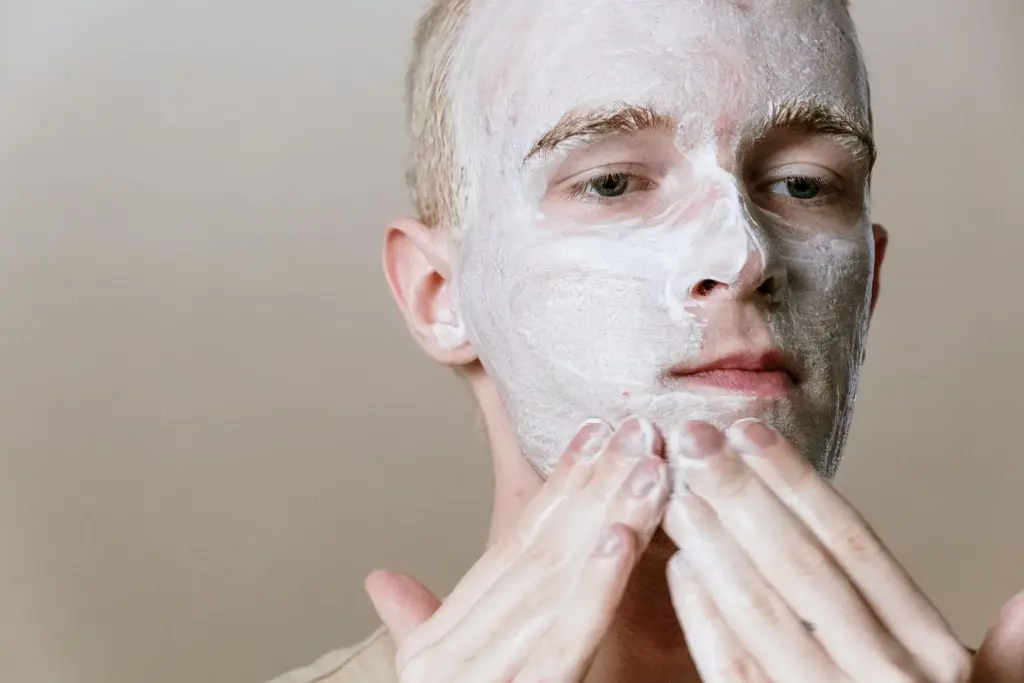
Acne gets treated online like a quick-fix problem when it usually behaves like a slow, frustrating skin condition. That matters because people often make it worse by scrubbing too hard, stacking too many active ingredients or switching routines before any product has had time to work. Acne basics are less dramatic than internet skincare trends. They start with gentle care, realistic expectations and knowing when home care is no longer enough.
According to the American Academy of Dermatology's self-care guidance for acne, people should wash acne-prone skin gently, avoid scrubbing, use fingertips rather than harsh tools, and choose non-comedogenic skin-care and cosmetic products. That advice sounds simple, but it addresses one of the most common mistakes: treating irritated skin as if stronger force will clear it faster.
What acne basics usually include
Acne basics start with routine, not panic. A gentle cleanser used consistently, a lightweight moisturizer and sunscreen that will not clog pores are often a stronger foundation than an aggressive rotation of acids, masks and spot treatments layered without a plan. MedlinePlus, the U.S. National Library of Medicine's patient information site, notes on its acne overview that acne involves clogged pores, oil and inflammation, and that treatment depends on severity.
That is why patience matters. If a person changes products every few days, it becomes hard to tell what is helping, what is irritating and what is simply too harsh. Acne basics are partly about reducing variables. A calm, repeatable routine gives the skin a better chance to respond and makes it easier to spot real improvement or real problems.
What tends to irritate acne-prone skin
People trying to "dry out" breakouts often create more irritation than improvement. Overwashing, abrasive scrubs, picking at lesions and using too many strong products at once can all damage the skin barrier and increase redness or post-acne marks. According to the National Institute of Arthritis and Musculoskeletal and Skin Diseases on its acne information page, acne can appear as whiteheads, blackheads, pimples, cysts and nodules, and severity varies widely.
That variation matters because the routine that seems acceptable for mild clogged pores may be completely inadequate for cystic or widespread inflammatory acne. Acne basics should therefore include a basic check on severity. A few occasional breakouts are different from painful, deep lesions or marks that keep worsening.
When self-care is not enough
This is where many people lose time. If acne is painful, leaving dark marks, affecting large areas, or not improving with a reasonable self-care routine, it makes sense to involve a clinician or dermatologist rather than continuing the same trial-and-error loop. Acne basics include knowing the limits of self-treatment. Professional care is especially important when scarring risk is rising or when breakouts are affecting confidence and daily life in a sustained way.
That does not mean every breakout requires a specialist. It means there is a point where more online experimentation stops being efficient. A clinician can help sort out whether the issue is routine acne, irritation from products, hormonal patterns or another skin condition that only looks similar at first glance.
Why consistency works better than intensity
The most useful acne basics are usually the least glamorous. Cleanse gently, avoid picking, choose non-comedogenic products, protect the skin barrier and give a routine time to work. If the problem persists or looks more severe than a mild breakout pattern, escalate to qualified care rather than escalating an already overloaded routine.
Acne rarely improves because a person found the loudest trend first. It improves when the routine becomes calm, targeted and consistent enough to let the skin recover while stronger help is added when needed. It also helps to keep expectations realistic: even effective acne care often takes weeks, not days, to show whether a routine is actually working.
Comments 0
No comments yet. Be the first to share your thoughts!
Leave a comment
Share your thoughts. Your email will not be published.