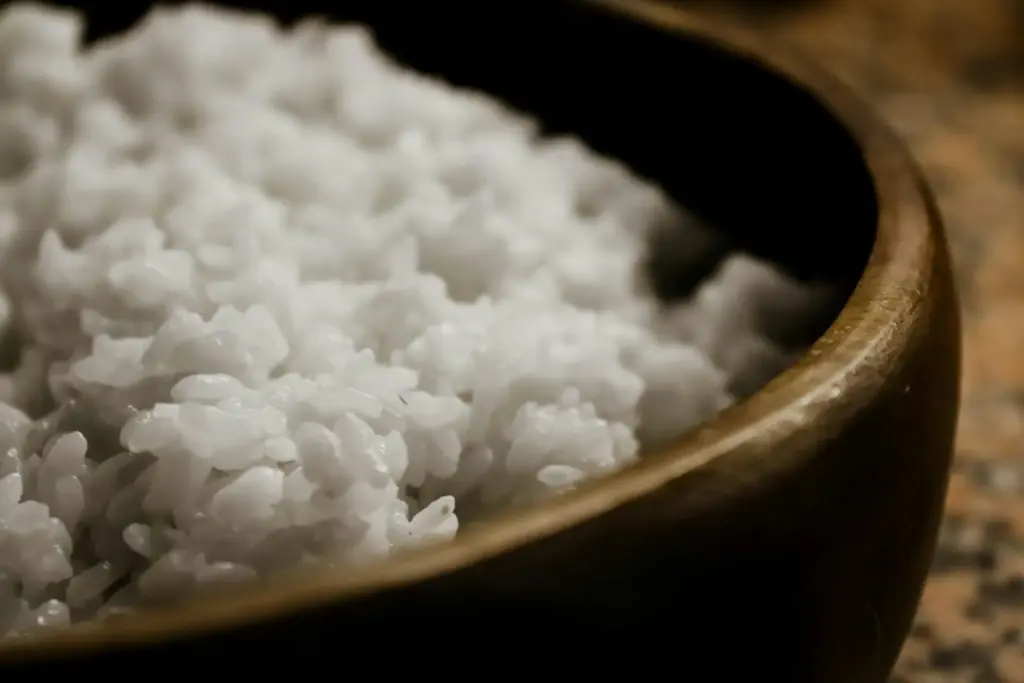
Rice gets dismissed as easy right up until it comes out mushy, scorched or oddly wet on top and hard underneath. What looks like the simplest side dish on the stove is actually very sensitive to ratio, heat and resting time. Rice basics are less about tricks than about understanding what the grain needs and then leaving it alone long enough to absorb water evenly.
According to USA Rice, basic stovetop rice depends on matching water to the grain, simmering with the lid on and resting the pot before fluffing. That matters because rice usually goes wrong when the lid comes off too often, the heat is too aggressive or the resting phase gets skipped.
Start with the right grain and a realistic water ratio
Different rice styles behave differently. Long-grain white rice, jasmine, basmati and short-grain varieties do not all want the same amount of water or the same cooking time. Rice basics therefore start with identifying the grain instead of assuming that every bag behaves like every other bag.
Once the ratio is set, measuring matters. Too much water softens structure and can leave a sticky surface, while too little water makes the center chalky. Rice basics reward consistency because small ratio changes matter more here than they do in many other side dishes.
Use gentle heat and keep the lid closed
Rice needs a brief boil to start and then a low simmer to finish. Once the pot is covered, the trapped steam becomes part of the cooking system. Lifting the lid repeatedly lets out moisture and heat, which can create uneven texture and make the cook overcorrect with more water or more time.
A steady, low simmer is usually enough. If the burner stays too high, the bottom can scorch before the grain above it is fully hydrated. Rice basics are often ruined by impatience, not by lack of seasoning.
Resting is part of the method, not an optional pause
Once the heat is turned off, the rice should sit covered for a few minutes. That rest lets remaining moisture redistribute and finish the texture more evenly. Fluffing too early can break the grain while the center is still settling, which makes the pot look wetter and rougher than it really is.
After the rest, use a fork or rice paddle to loosen the grain gently rather than mashing with a spoon. Rice basics improve when the cook treats the pot like a finished grain dish, not like porridge that needs stirring back into itself.
Store and reheat with moisture in mind
Cooked rice is easy to reuse if it cools promptly and is stored covered. The biggest reheating mistake is blasting it dry. A spoonful of water and a covered container help restore steam so the grain loosens instead of hardening.
Rice basics are ultimately about restraint: correct ratio, covered simmer, full rest and gentle fluffing. Once those habits are fixed, rice becomes one of the most dependable parts of a meal rather than the part that randomly fails.
The result is not flashy, but that is the point. Good rice is built on steady basics that make the grain consistent every time.
Leftovers only stay good if the rice is cooled and stored fast
Rice quality drops when leftovers sit too long in the pot or get reheated carelessly. Once the meal is over, spreading hot rice out or transferring it to a shallow container helps it cool faster before refrigeration. That protects texture and lowers the chance that the leftovers turn gummy or stale overnight.
Reheating also works better with a little moisture and a lid so the grains can steam back to life instead of drying out around the edges. Good rice on day two should not feel like a different dish entirely. Fast cooling, prompt storage and controlled reheating keep the original batch usable for another meal rather than turning it into waste.
Comments 0
No comments yet. Be the first to share your thoughts!
Leave a comment
Share your thoughts. Your email will not be published.