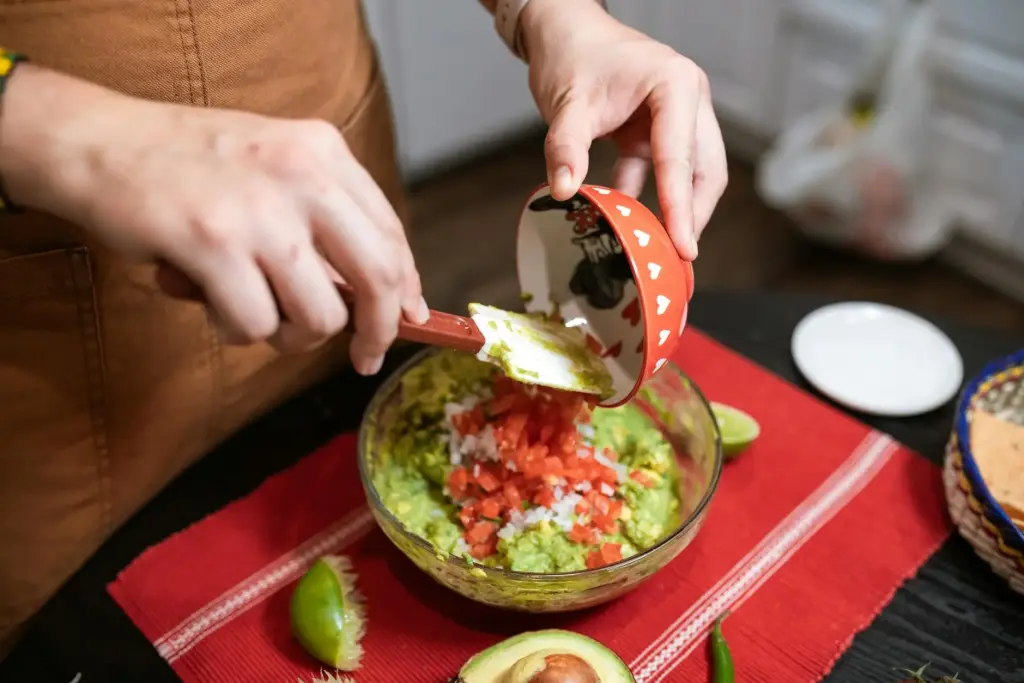
Guacamole is one of the easiest dishes to overcomplicate. Once too many mix-ins crowd the bowl, the avocado flavor gets buried and the texture turns heavy or watery. Guacamole basics are simpler than a lot of online versions suggest. Start with ripe avocados, use lime and salt with intention, and add extras only after the base is already working.
According to Love One Today, a classic guacamole starts with ripe avocados and keeps the extra ingredients simple enough that the avocado still leads the flavor. That matters because guacamole does not have a long cooking process to hide mistakes. If the avocado is wrong or the seasoning is out of balance, the problem stays obvious in every bite.
Ripe avocados decide almost everything
A good avocado should give slightly when pressed but should not feel collapsed or stringy. If the fruit is too hard, the guacamole will be chunky and dull. If it is too soft, the bowl can become greasy and brown quickly. Guacamole basics begin at the store or market, not at the cutting board.
It also helps to mash with intention. Some people want a smoother bowl, others want visible avocado pieces. Either version works, but the texture should be chosen rather than accidental. Overmixing can turn the avocado pasty, while under-mashing can leave awkward, underseasoned chunks.
Season in layers, not with one aggressive hit
Lime brightens the avocado and salt wakes up the whole bowl, but both can overpower the fruit if added carelessly. Guacamole basics work best when seasoning is added gradually and tasted as it develops. The goal is contrast, not a mouthful that tastes only like acid or only like raw onion.
If tomatoes, onions, cilantro or jalapeño are part of the mix, they should support the avocado rather than flood it with extra water or bitterness. Dicing them small and adding with restraint makes the bowl feel deliberate instead of crowded.
Serve quickly and protect the surface
Guacamole is at its best shortly after it is made, because avocado oxidizes and the texture changes as it sits. A little lime helps, but time still matters. If the bowl needs to wait, pressing wrap directly against the surface can slow browning more effectively than leaving air space above it.
This is one reason guacamole basics are about timing as much as ingredients. Make it too early and the freshness fades. Make it too late without tasting, and the seasoning can end up rushed. The sweet spot is preparing it close enough to serving that the texture still feels alive.
Keep the bowl clean, bright and easy to pair
Guacamole does not need to prove itself with complexity. It works with chips, tacos, grilled meat, rice bowls and vegetables precisely because the base is adaptable. The cleaner the seasoning, the easier it is to use the bowl across a whole meal rather than just as a dip.
Guacamole basics are therefore a lesson in restraint: right avocado, measured lime, enough salt and just enough supporting ingredients. Once those pieces are right, the bowl tastes fresh instead of fussy.
That is the whole appeal of guacamole when it is done well. It feels casual, but the best version comes from respecting the avocado more than the add-ins.
Preventing browning is mostly about handling, not gimmicks
Guacamole does not stay bright forever, but it lasts longer when the surface is protected from air. Pressing plastic wrap directly against the top or storing it in the smallest practical container reduces oxidation better than a lot of internet tricks. The texture also holds better when watery add-ins are controlled instead of turning the bowl loose and diluted.
That is another reason to keep the ingredient list disciplined. If the avocados are ripe and the salt-acid balance is right, the bowl does not need much help. Good guacamole is usually a restraint problem, not an innovation problem, and careful storage is what lets the leftovers stay worth eating.
Comments 0
No comments yet. Be the first to share your thoughts!
Leave a comment
Share your thoughts. Your email will not be published.