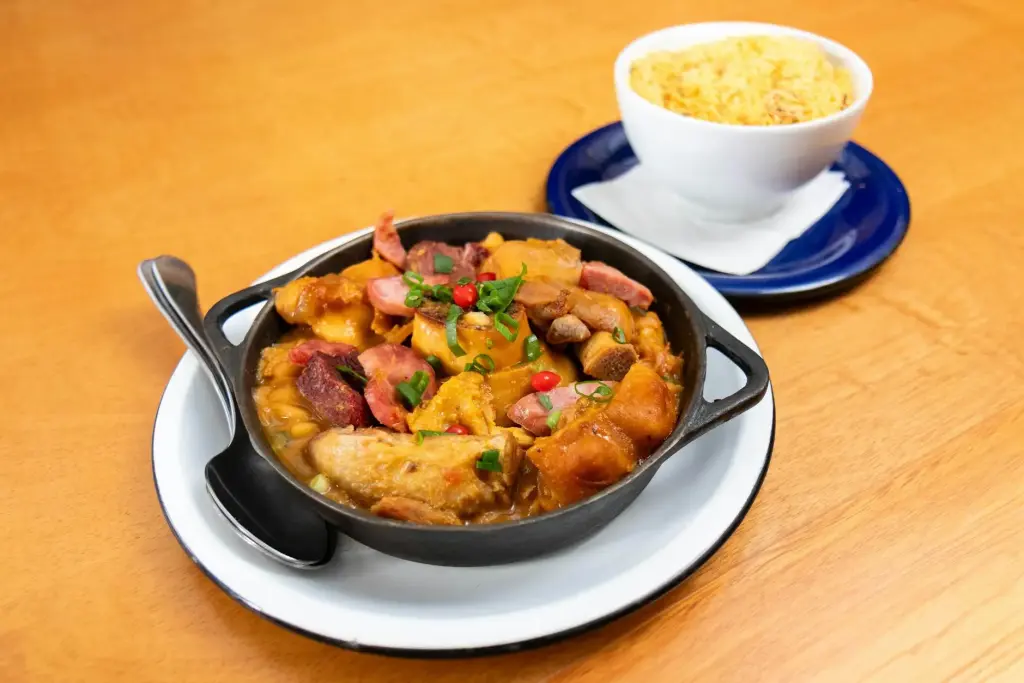
Feijoada is often described as a simple bean stew, but the dish only feels simple after the timing is understood. If the beans are rushed, the pot tastes underdeveloped. If the meats are too fatty or the seasoning is careless, the stew turns heavy instead of deep and comforting. Feijoada basics are about patience and balance, not about throwing every smoked cut into one pot and hoping the result sorts itself out.
According to Food Network, classic feijoada relies on black beans, pork and sausage cooked slowly enough that the meats flavor the pot while the beans soften without falling apart too early. That matters because the dish is supposed to taste layered and full, not greasy or one-note.
Let the beans set the pace of the dish
Black beans need time to soften evenly, and that time shapes everything else in the pot. Feijoada basics start by respecting the bean itself, whether it has been soaked ahead of time or cooked from a more deliberate base. If the beans are not ready, the stew is not ready, no matter how fragrant the meats already smell.
This is why the simmer matters more than a hard boil. Gentle cooking allows the beans to soften while keeping enough structure that the final bowl feels like a stew rather than a mash.
Choose meats that add flavor instead of chaos
Pork and sausage bring the signature depth, but too many rich cuts can make the broth taste greasy rather than savory. Feijoada basics work better when the cook thinks about smoky flavor, salt level and rendered fat before every addition lands in the pot.
That balance is also why onion, garlic and bay matter. The aromatics help connect the meatiness to the bean base so the stew tastes built, not crowded. A little structure in the seasoning gives the heavier ingredients room to feel intentional.
Simmer long enough for the pot to come together
Feijoada is one of those dishes where the middle stretch of cooking does the real work. The beans absorb flavor, the meats loosen into the broth and the pot thickens into something that tastes fuller than the ingredient list alone might suggest. Rushing this phase usually leaves the bowl feeling separate and unfinished.
The final texture should be substantial but not dry. If the liquid vanishes too early, the pot tightens before the flavor has really merged. If it stays too loose, the stew can feel diluted. Slow simmering gives the cook a chance to steer toward the right middle ground.
Serve with the classic contrast in mind
Rice, greens and orange slices are common companions because feijoada is rich by design. The sides lighten and sharpen the plate without denying what the stew is meant to be. That contrast helps the bowl stay satisfying instead of exhausting.
Feijoada basics are therefore about patience, restraint and proportion. Once the beans, meats and simmer are balanced, the dish feels far more elegant than its rustic reputation suggests.
That is the reason feijoada lasts. It is a hearty dish, but the best version still depends on discipline and timing.
Skimming fat and serving sides keep the pot balanced
Feijoada can become too heavy if the pot is never adjusted as it cooks. Fat rendered from sausage and pork adds flavor, but too much of it leaves the stew greasy and dull. Skimming excess fat, tasting the broth late in the simmer and using acidity or fresh garnishes at the table keep the beans rich without making every bite feel weighed down.
The classic side dishes matter for the same reason. Rice, greens, orange slices and crunchy toppings help break up the density of the stew and turn it into a more balanced meal. A good pot of feijoada should feel deep and comforting, not one-note, and those finishing choices are part of what gets it there.
Comments 0
No comments yet. Be the first to share your thoughts!
Leave a comment
Share your thoughts. Your email will not be published.