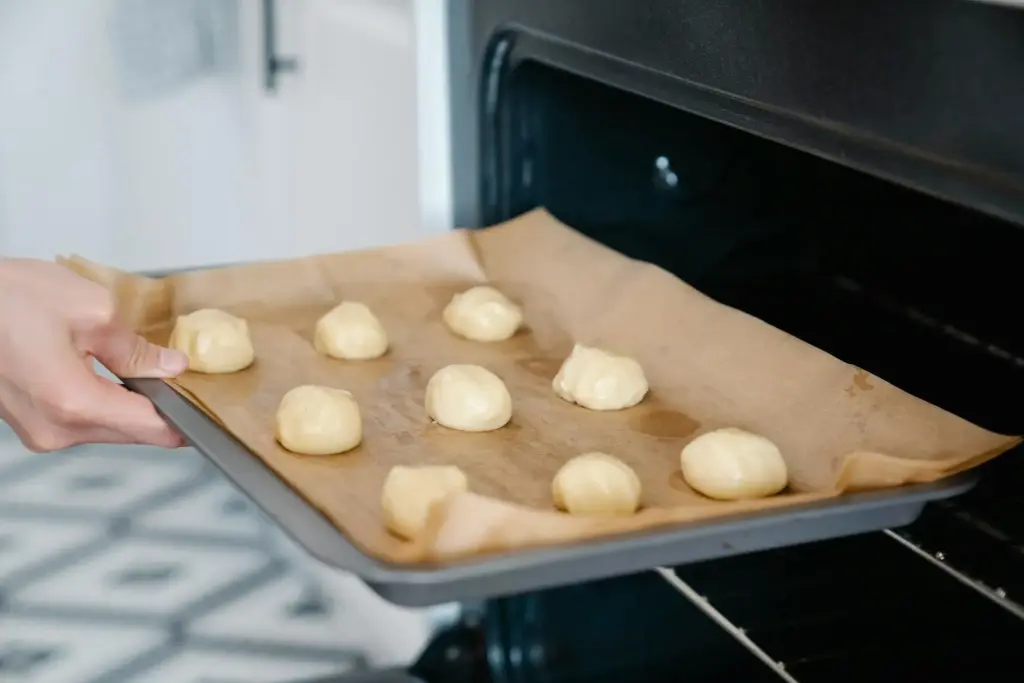
Empanadas look portable and forgiving, but they expose every weak step in the method. Warm dough tears, wet filling leaks and careless sealing opens the pocket before it ever reaches the plate. Empanada basics are therefore less about stuffing a pastry and more about controlling texture at each stage of assembly.
According to PBS Food, solid empanadas depend on a manageable dough, a cooked filling that is not too wet and a sealed edge that can survive baking or frying without opening up. That matters because a good empanada should feel tidy in the hand and full of flavor inside, not greasy, burst open or soggy at the bottom. Once the workflow is organized, the pastry becomes much more predictable to make in batches.
Keep the dough cool and workable
Empanada dough needs enough structure to hold a filling but enough tenderness to stay pleasant once baked or fried. That balance is easier to maintain when the dough stays cool and gets time to rest before assembly. Empanada basics begin here because warm, overhandled dough becomes harder to roll and easier to tear.
Even thickness matters as well. Thin spots break under filling pressure, while thick spots stay doughy and heavy. A consistent round gives the pastry a real chance to cook evenly and hold together. Cutting rounds cleanly and rerolling scraps only as needed also helps preserve texture.
Cook the filling down before it meets the pastry
A filling can be flavorful and still fail if it is too wet. Excess liquid turns the inside steamy and weakens the dough from below. Empanada basics improve when the filling is cooked until concentrated and then cooled before assembly. That keeps the pastry from softening before it even enters the oven or oil.
Cooling also makes portioning easier. Hot filling pushes steam into the dough and makes sealing harder. A room-temperature or chilled filling gives the cook more control and keeps the assembly line moving cleanly. It also reduces the temptation to overfill each round just because the mixture smells good.
Seal the edges like they need to survive movement
Empanadas are hand pies, which means the seal is part of the eating experience. Whether the edge is pressed with a fork or folded by hand, the goal is the same: keep the filling where it belongs. Empanada basics work better when the edge is pressed firmly without overfilling the center.
This is also why portion size matters. An overstuffed empanada may look generous, but it is more likely to burst and lose moisture during cooking. A slightly smaller fill is often the safer and better-tasting choice. Leaving a clean border around the filling makes the seal much more dependable.
Bake or fry with color and structure in mind
The final cook should create a golden shell that feels set all the way through. If the dough stays pale, the pastry can taste floury. If the heat is too aggressive, the outside can brown before the inside is ready. Empanada basics depend on enough time to let the crust dry, color and firm up properly.
Once cooked, the empanadas need a short rest before serving. That pause helps the filling settle and makes the pastry easier to handle. Good empanadas are practical food, but they still benefit from a little patience at the finish. A quick rest also protects mouths from overly hot filling that spills too fast.
That is what makes empanadas dependable. When the dough, filling and seal are all under control, the whole pastry starts working the way it should and stays worth serving beyond the first batch.
Empanadas also reward batch discipline. It is usually smarter to set up a tray of finished rounds, seal them all carefully and then cook in stages rather than mixing assembly and cooking at random. That workflow keeps the dough colder, makes leaks easier to spot and produces a more even final batch.
Comments 0
No comments yet. Be the first to share your thoughts!
Leave a comment
Share your thoughts. Your email will not be published.