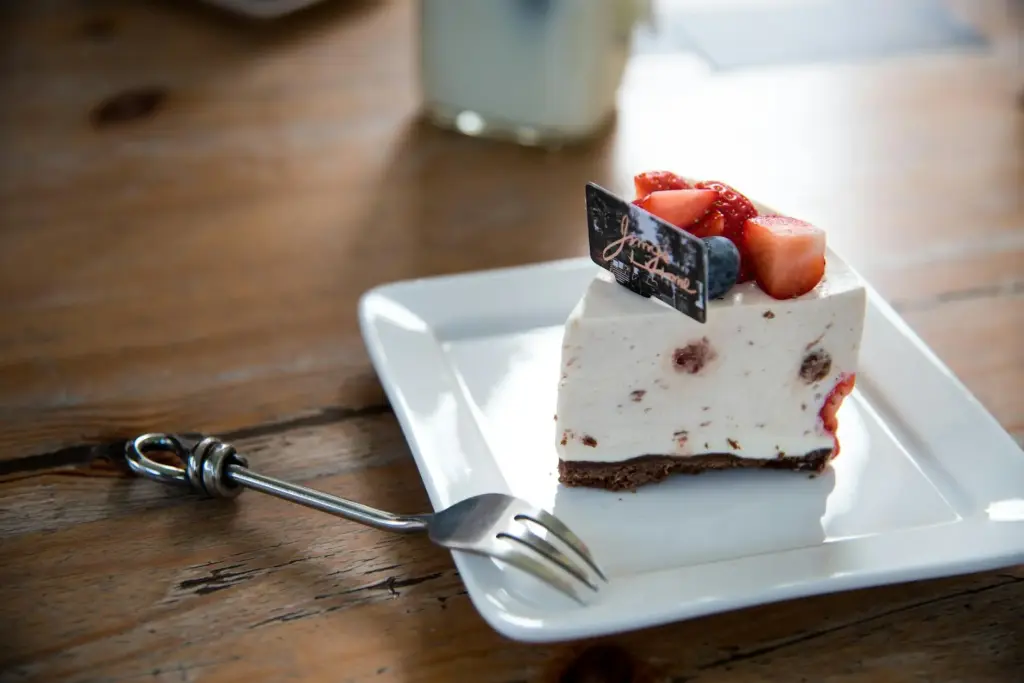
Cheesecake can look intimidating because it punishes rushed steps. A filling mixed cold turns lumpy, an overbaked center turns dry, and a rapid cooldown can pull cracks across the top even when the flavor is still good. Cheesecake basics are not about making the dessert fancy. They are about controlling texture from crust to chill time.
According to King Arthur Baking, a reliable cheesecake depends on a stable crust, room-temperature ingredients and a bake that ends while the center still has a gentle wobble. Once those basics are understood, cheesecake becomes much more predictable and far less stressful to bake for a crowd.
Build a crust that can actually support the filling
A crumb crust should be packed firmly enough to hold its shape without becoming a dense slab. If the crumb base is loose, slices can collapse as soon as they leave the pan. If it is pressed too hard or baked too long, it can taste overly hard compared with the soft filling above it.
Cheesecake basics start here because the crust sets up the whole slice. A stable base gives the creamy filling something to sit on cleanly, which makes serving easier and keeps the texture feeling intentional instead of messy.
Room-temperature ingredients mix more smoothly
Cream cheese, eggs and other dairy ingredients combine more evenly when they are not refrigerator-cold. Cold ingredients tend to resist one another, which encourages overmixing and still leaves a lumpy batter. Gentle mixing with softened ingredients helps the filling stay smooth without taking on too much air.
That extra air matters because it can expand in the oven and then collapse as the cake cools. Cheesecake basics therefore lean toward steady, moderate mixing rather than a high-speed whip that turns the batter into foam.
Bake until set, not until rigid
A cheesecake is usually done before it looks completely firm in the center. The edges should appear set, while the middle still has a slight wobble when the pan moves gently. Waiting for a fully hard center often means the cheesecake has already gone too far and will turn drier as it cools.
This is the point where many bakers lose confidence, but cheesecake basics are built around carryover cooking. The residual heat inside the cake finishes the texture after the pan leaves the oven, which is why an early pull often produces the better final result.
Cool slowly before chilling fully
Sudden temperature change can make the top split, so cheesecake benefits from a slower cooldown before it heads into the refrigerator. Even a perfectly baked cake needs time to settle. Trying to unmold or slice it too early usually creates more damage than waiting an extra few hours ever will.
Chilling also improves the slice because the filling firms into a cleaner texture. Cheesecake basics are therefore about patience at both ends: patient mixing at the start and patient cooling at the finish.
That is why cheesecake feels harder than it really is. The dessert responds well when the baker protects texture at every stage instead of forcing it to move faster.
Cooling, chilling and slicing make the texture
Cheesecake often gets blamed on the bake when the real damage happens after it leaves the oven. A fast temperature drop can crack the surface, and slicing before the filling is fully chilled makes even a well-baked cake look underdone. Letting the cheesecake cool gradually, then chilling it long enough for the center to firm, gives the crust and filling time to settle into a cleaner slice.
King Arthur Baking also emphasizes room-temperature ingredients and a gentle mix because both reduce lumps and excess air in the batter. That same patient approach applies after baking. A chilled cheesecake cuts more neatly, holds toppings better and tastes more balanced because the filling has had time to set instead of collapsing under the knife.
Comments 0
No comments yet. Be the first to share your thoughts!
Leave a comment
Share your thoughts. Your email will not be published.