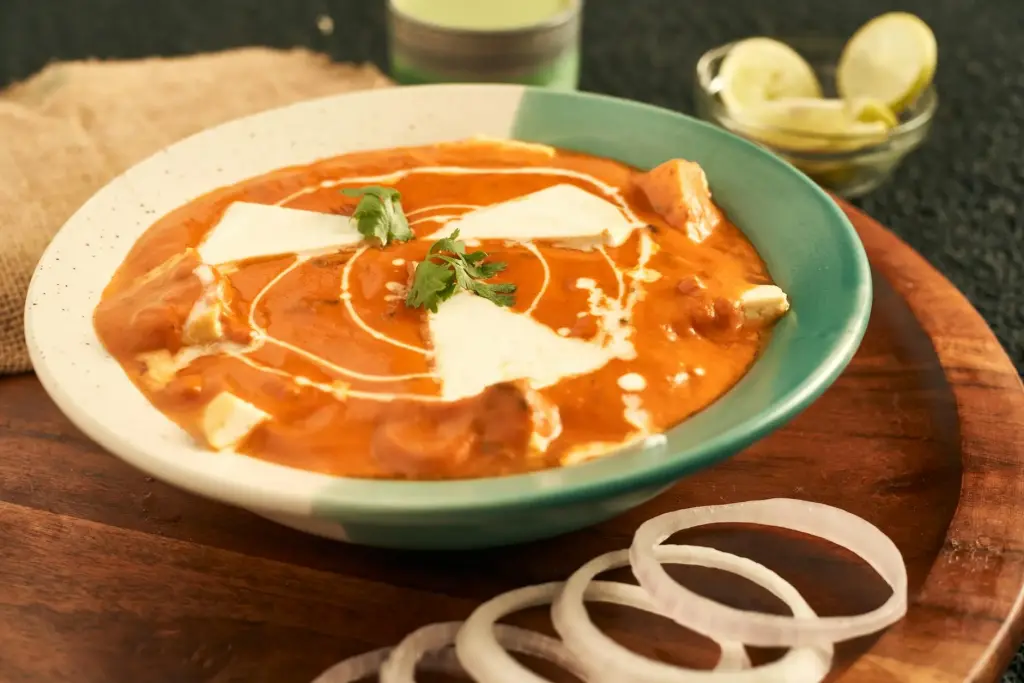
Butter chicken seems forgiving because the sauce is rich, but the dish can still go bland or heavy when the chicken is rushed and the sauce never finds balance. Butter chicken basics depend on layering flavor in the right order: season the meat, cook the aromatics properly, let the tomato base develop and only then bring in the creamier finish that makes the dish feel complete.
According to Food Network, a solid butter chicken builds flavor by seasoning the chicken first, cooking the aromatics and tomatoes into a smooth sauce, and simmering everything until the meat turns tender rather than dry. That matters because rich sauces can hide mistakes for a minute, but they cannot rescue rubbery chicken or flat spice work once the plate hits the table.
Season the chicken before it disappears into the sauce
Chicken cooked plain and dropped into the sauce at the last second rarely tastes integrated. Butter chicken basics are stronger when the meat gets its own head start through seasoning or a short marinade. That gives the chicken flavor all the way through instead of forcing the sauce to do every job alone.
This also helps the chicken brown better before the simmer. Even a brief sear can build depth that survives once the sauce comes together. The goal is not to fully finish the chicken at that stage, but to give it structure and early flavor.
Build the sauce until the tomatoes stop tasting raw
Tomatoes, onion, garlic and ginger need real cooking time. If they are rushed, the sauce can taste sharp and unfinished no matter how much cream or butter gets added later. Butter chicken basics improve when the sauce base cooks down enough for the spices to bloom and the tomato flavor to round out.
Creaminess should support that base, not drown it. Too much dairy too early can flatten the spice profile and make the dish taste heavy instead of layered. The best version still tastes like a sauce with character, not just a blanket of fat over chicken.
Use temperature and tenderness together
Chicken should be safe and still tender, which means the final simmer has to finish the meat without keeping it in the pot forever. Butter chicken basics therefore involve checking doneness with both sight and structure. The pieces should feel cooked through and juicy, not stringy or chalky from prolonged heat.
This is especially important when using smaller pieces, which can overcook quickly. A sauce that is ready before the chicken is can be held gently. Chicken that has already dried out is much harder to fix.
Serve with sides that help the sauce instead of fighting it
Rice and flatbread remain popular partners because they absorb the sauce without distracting from it. The point is to support the balance of spice, tang and richness rather than pile on more complexity for its own sake.
Butter chicken basics are therefore about control: seasoned meat, a real sauce base and a careful final simmer. Once those parts line up, the dish tastes comforting without becoming muddy or overly rich.
That is what makes butter chicken dependable. It should feel warm and generous, but the structure underneath still has to be disciplined.
Reheating and finishing should not break the sauce
Butter chicken is forgiving, but creamy sauces can still separate if they are reheated too aggressively. Gentle heat and a little patience help the sauce come back together without turning oily. If the chicken was cooked just to temperature the first time, it also has a better chance of staying tender on the second warm-up instead of drying out while the sauce catches up.
The final balance often comes from small adjustments. A little acid, a little butter or a final taste for salt can pull the whole dish into focus after reheating. That is why butter chicken basics are not only about the initial cook. The finish and the leftovers need the same controlled approach as the first simmer.
Comments 0
No comments yet. Be the first to share your thoughts!
Leave a comment
Share your thoughts. Your email will not be published.