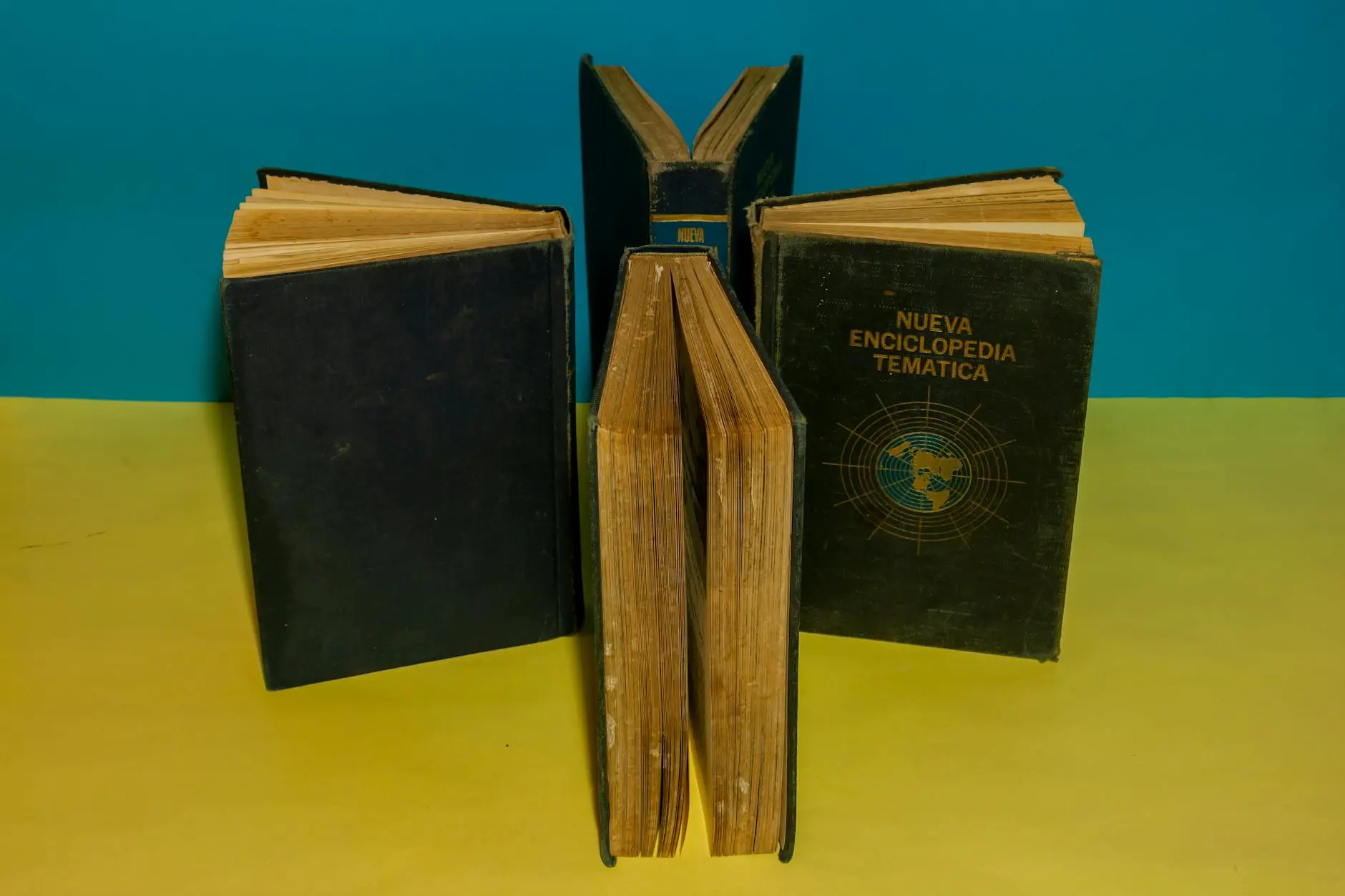
In a major Encyclopedia Britannica lawsuit that could reshape the artificial intelligence landscape, Encyclopedia Britannica and its parent company Merriam-Webster have filed a lawsuit against OpenAI, alleging that the company used their copyrighted content to train ChatGPT without authorization. The Encyclopedia Britannica lawsuit was filed in Manhattan federal court and claims that OpenAI unlawfully copied nearly 100,000 articles to train its flagship language models. This case represents one of the highest-stakes legal challenges yet against AI companies regarding intellectual property rights.
The Encyclopedia Britannica lawsuit accuses Microsoft-backed OpenAI of using the reference publishers' content as AI training data without permission, then generating responses that reproduce it verbatim. The lawsuit seeks damages and an injunction preventing OpenAI from using Britannica's content in the future. This legal action follows similar lawsuits from authors, news outlets, and other content creators who claim their work was harvested without consent to train AI systems.
Copyright Infringement Claims
The Encyclopedia Britannica lawsuit details how OpenAI allegedly scraped Britannica's online encyclopedia articles and dictionary entries to teach ChatGPT to respond to human prompts. According to the complaint, this practice effectively cannibalized Britannica's web traffic by presenting AI-generated summaries that displaced the original source material. The reference publisher argues that this amounts to systematic theft of intellectual property that undermines their business model and violates copyright law.
The case also invokes trademark law under the Lanham Act, alleging that OpenAI misleads users into believing Britannica or Merriam-Webster has endorsed or is the source of AI-generated responses. When users see ChatGPT outputs that appear to come from Britannica without proper attribution, it damages the publishers' brand integrity and reputation. The lawsuit claims this constitutes false advertising and trademark infringement.
Industry-Wide Implications
This Encyclopedia Britannica lawsuit is part of a broader wave of legal challenges facing AI companies. Last year, Britannica filed a related lawsuit against Perplexity AI that remains ongoing. According to coverage by TechCrunch, the Perplexity case alleged that the AI startup scraped Britannica's content to build its responses in real time, bypassing robots.txt protections and presenting verbatim or near-verbatim reproductions under the guise of AI-generated summaries. Read more about AI safety concerns from TechCrunch. These cases highlight growing tensions between content creators and AI developers over how training data is obtained and used.
OpenAI has not yet responded publicly to the specific allegations in the Britannica lawsuit. However, the company has previously argued that training AI models on publicly available data constitutes fair use under copyright law. This defense has been challenged in multiple courts, and legal experts say the outcome of cases like this could fundamentally determine how AI companies source their training data in the future. The technology industry is watching closely as more content creators seek to protect their intellectual property from AI scraping.
The reference publishing industry has been particularly hard hit by the rise of AI-powered search and summarization tools. As users increasingly turn to chatbots for quick answers, traditional reference materials face declining traffic and revenue. Britannica's lawsuit argues that AI companies should compensate content creators whose work powers these profitable AI systems. According to The Verge, the broader implications of the Encyclopedia Britannica lawsuit extend beyond the immediate parties involved. View the full investigation from The Verge.
If successful, the lawsuit could force AI companies to fundamentally change how they source training data, potentially requiring licensing agreements with content creators. This could significantly impact the economics of AI development and potentially slow down the pace of AI innovation as companies need to negotiate permissions for training data. The legal precedent set by this case could affect every company developing large language models in the coming years.
The lawsuit comes at a time when multiple high-profile copyright cases are working their way through the courts. Authors, artists, and media companies are increasingly challenging AI companies over their use of creative works. The outcome of the Encyclopedia Britannica lawsuit could serve as a blueprint for how these disputes are resolved in the future and may define the relationship between AI companies and content creators for decades to come.
Comments 0
No comments yet. Be the first to share your thoughts!
Leave a comment
Share your thoughts. Your email will not be published.