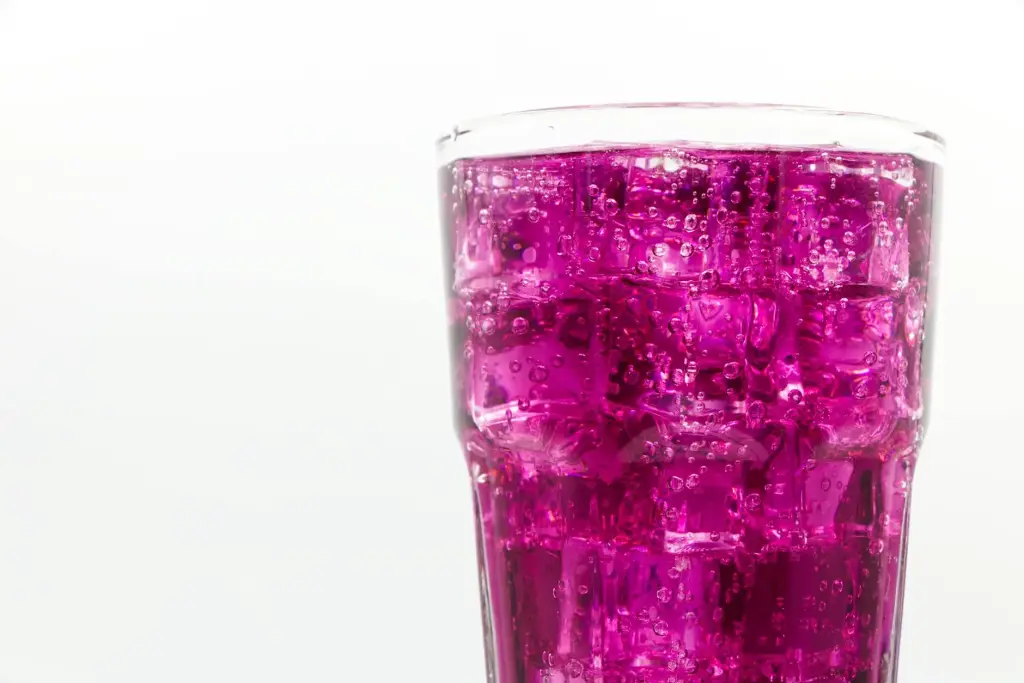
From TikTok Hack to Store Shelves
The dirty soda trend that has been dominating TikTok feeds for months has officially exploded into the mainstream beverage market. According to Axios, Mike's Hard Lemonade just announced "Dirty Lemonade" — their boozy take on the viral drink craze that started as a niche Utah phenomenon. The new drink line features unexpected flavor combinations like hot honey, cherry spice, and coconut, marking one of the brand's biggest innovation bets in years.
The concept behind the dirty soda trend is brilliantly simple: take your favorite carbonated beverage, add creamy syrups, flavored add-ins, and creative twists that transform ordinary drinks into something worth posting on social media. What began as a regional obsession in Utah has morphed into a nationwide phenomenon, with Gen Z leading the charge by sharing their wildest concoctions across TikTok, Instagram, and beyond. The hashtag has accumulated billions of views, proving that young people are desperate for beverage experiences that feel unique and camera-ready.
Major beverage companies are paying close attention to this shift in consumer behavior. The dirty soda trend represents something bigger than just flavored drinks — it signals that Gen Z wants products they can customize, remix, and make their own before sharing with followers. This generation doesn't want passive consumption; they want to be part of the creation process, even if it's as simple as mixing syrups into soda.
Why Big Brands Are Chasing the Trend
Stanten Jones, senior manager at Mike's parent company Mark Anthony Brands International, told Axios the idea came from "keeping our ear to the TikTok streets." That statement alone reveals how dramatically the power dynamic has shifted between brands and consumers. Companies aren't just watching what young people do — they're racing to commercialize it before competitors catch up.
The numbers explain the urgency behind chasing the dirty soda trend. Pepsi has already rolled out a creamy "Dirty" Mountain Dew variant in select markets. Twizzlers launched edible straws specifically designed for dirty soda drinks. Taco Bell introduced "Dirty Sips" nationwide with customizable, creamy twists on their menu. Even specialty chains like Swig are building entire business models around these creative drink mixes. The movement from DIY novelty to packaged product happened faster than most industry analysts predicted, compressing what used to take years into mere months.
What's fascinating is how this represents a larger pattern in Gen Z consumer behavior. This generation doesn't just consume products — they remix them, share their creations, and effectively crowdsource the next big thing. When enough people participate in a trend, brands inevitably follow with commercial versions that capture the essence of what made the original appealing. The dirty soda trend is merely the latest example of this accelerated innovation cycle driven by social media.
The Mike's Hard Lemonade launch demonstrates how alcohol brands are specifically targeting younger legal-age drinkers who grew up with social media shaping their tastes. The non-carbonated twist on their core product shows they're willing to fundamentally rethink their formulas to match what people are already mixing at home. Rolling out nationwide across convenience stores and major retailers signals serious confidence that this isn't just a fleeting fad but a lasting category shift.
Whether the dirty soda trend sticks as a permanent beverage category or fades like past social media food crazes remains an open question. Some viral food trends have disappeared as quickly as they emerged, while others like whipped coffee and cloud bread left lasting impacts on how brands approach product development. What seems certain is that the pipeline from TikTok trend to supermarket shelf has never been shorter, and brands are getting better at spotting viral moments before they peak.
For Gen Z consumers, watching major corporations scramble to commercialize their creativity has become entertainment in itself. There's a certain satisfaction in seeing your homemade drink hack become a nationally distributed product, even if the commercial version never quite matches the original's charm. This dynamic is reshaping entire industries and forcing brands to become more responsive to what young people are actually doing rather than what marketing departments think they should want.
Comments 0
No comments yet. Be the first to share your thoughts!
Leave a comment
Share your thoughts. Your email will not be published.