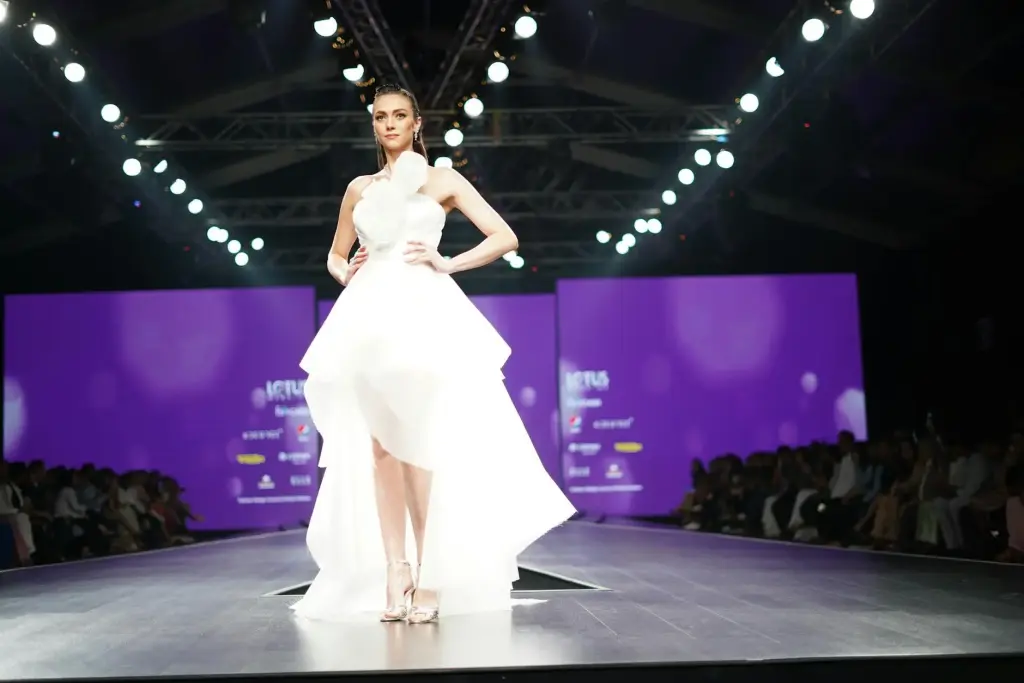
The Digital Revolution Reshaping Luxury Fashion
The luxury fashion industry is undergoing a profound transformation as elite brands pivot from traditional runway presentations to immersive digital-first collections. This seismic shift represents more than a temporary adaptation to global circumstances—it signals a permanent evolution in how high-end fashion houses engage with their sophisticated clientele. Leading publications have documented this transition extensively, with experts at Harper's Bazaar noting that major fashion houses are fundamentally reimagining their creative processes to align with digital-age expectations. The convergence of cutting-edge technology and timeless craftsmanship is creating unprecedented opportunities for brands to connect with global audiences in innovative, meaningful ways.
Virtual Runways and Immersive Digital Experiences
Traditional fashion weeks have evolved dramatically as luxury brands embrace digital platforms to showcase their collections. According to Harper's Bazaar, the transformation began accelerating when couture houses like Chanel and Miu Miu adapted to digital-first approaches, streaming collections online with pre-show digital content that builds anticipation among global audiences. This virtual transformation has democratized access to once-exclusive events, allowing fashion enthusiasts worldwide to experience the magic of Paris Fashion Week from their homes. The shift toward digital fashion presentations maintains the exclusivity and allure associated with luxury while expanding reach exponentially. Valentino has taken this concept further by launching "Valentino Insights," an immersive virtual reality experience that allows users to explore a 3D digital replica of creative director Pierpaolo Piccioli's Mediterranean villa, complete with interactive accessories and curated playlists.
Digital-first collections are not merely video broadcasts of traditional shows—they represent entirely new forms of artistic expression. Designers are leveraging augmented reality, virtual reality, and interactive platforms to create experiences that would be impossible in physical spaces. As reported by Harper's Bazaar, Ralph & Russo created a digital avatar named Hauli to showcase their latest couture collection, demonstrating how luxury brands are pioneering innovative digital storytelling methods. These immersive experiences allow brands to maintain emotional connections with clients while exploring creative possibilities that transcend physical limitations. The fusion of technology and haute couture is establishing new standards for how exclusive fashion can be presented and experienced.
AI and the Future of Luxury Shopping
Artificial intelligence is quietly revolutionizing the luxury shopping experience, with brands integrating sophisticated technologies that enhance customer journeys without sacrificing the refined ethos of high-end fashion. According to Harper's Bazaar, luxury houses like Gucci, Valentino, and Moncler are implementing AI through innovative campaigns, NFTs, and personal shopping tools that create seamless, personalized experiences. The concept of "quiet tech" has emerged as a defining characteristic of modern luxury, where technology enhances rather than overwhelms the shopping experience. This subtle integration allows brands to maintain their focus on craftsmanship and quality while delivering the convenience and personalization that contemporary consumers expect.
The digital transformation extends beyond presentation into the very fabric of how luxury goods are created and consumed. Digital fashion is becoming an integral component of brand strategy, with virtual boutiques and online-exclusive drops creating new revenue streams and engagement opportunities. Dolce & Gabbana has launched virtual boutiques that replicate flagship stores in Paris, Melbourne, Osaka, and Miami, allowing customers to browse and shop online with immersive 3D store experiences. As experts at Harper's Bazaar observe, these digital spaces feature real-time inventory access and personalized service, maintaining the intimate boutique experience within a digital framework. The initiative includes festive gift guides presented through engaging video content, demonstrating how luxury brands are adapting to online shopping while preserving emotional connections with clients.
Sustainability Meets Digital Innovation
The intersection of sustainability and digital fashion is creating compelling new narratives for luxury brands committed to environmental responsibility. Digital-first collections enable brands to reduce the environmental impact of traditional fashion shows, which typically involve extensive travel, physical set construction, and sample production. By transitioning to virtual presentations, luxury houses can significantly decrease their carbon footprint while simultaneously reaching larger audiences. This alignment with eco-conscious values resonates deeply with younger consumers who prioritize sustainability alongside style and exclusivity.
Contemporary designers are leveraging digital platforms to communicate their commitment to sustainable practices through innovative storytelling. As documented by Harper's Bazaar, emerging talents like Conner Ives are blending sustainability with digital-first approaches, creating collections that emphasize eco-conscious practices through upcycled materials and recycled elements. The SS24 collection, narrated by an AI voice, exemplifies how digital fashion can serve as a vehicle for meaningful cultural commentary while maintaining luxury standards. These digital-native presentations allow brands to transparently communicate their sustainability initiatives, creating deeper connections with environmentally conscious consumers who demand accountability from the brands they support.
The New Era of Luxury Accessibility
Perhaps the most significant impact of digital-first collections is the democratization of luxury fashion access. Previously, experiencing a couture show required exclusive invitations and physical presence at fashion capitals. Today, digital platforms have removed these barriers, allowing anyone with internet access to witness the unveiling of collections from the world's most prestigious fashion houses. This expanded accessibility has transformed how brands build anticipation, engage with audiences, and cultivate desire for their products. The digital format enables more intimate, behind-the-scenes content that humanizes luxury brands and creates authentic connections with consumers.
The evolution toward digital fashion represents a permanent shift in the luxury landscape rather than a temporary adaptation. As Harper's Bazaar reports, the industry is experimenting with hybrid models that combine physical and digital elements, raising intriguing questions about the long-term viability of traditional presentation formats. Major fashion houses are investing heavily in digital infrastructure, recognizing that their future success depends on mastering both physical craftsmanship and virtual engagement. The brands that thrive in this new era will be those that seamlessly integrate digital innovation with the timeless quality and exclusivity that define true luxury. The digital-first approach is not replacing traditional luxury—it is expanding its possibilities and ensuring its relevance for generations to come.
For more insights on the evolving landscape of luxury fashion and digital innovation, visit Harper's Bazaar.
Comments 0
No comments yet. Be the first to share your thoughts!
Leave a comment
Share your thoughts. Your email will not be published.