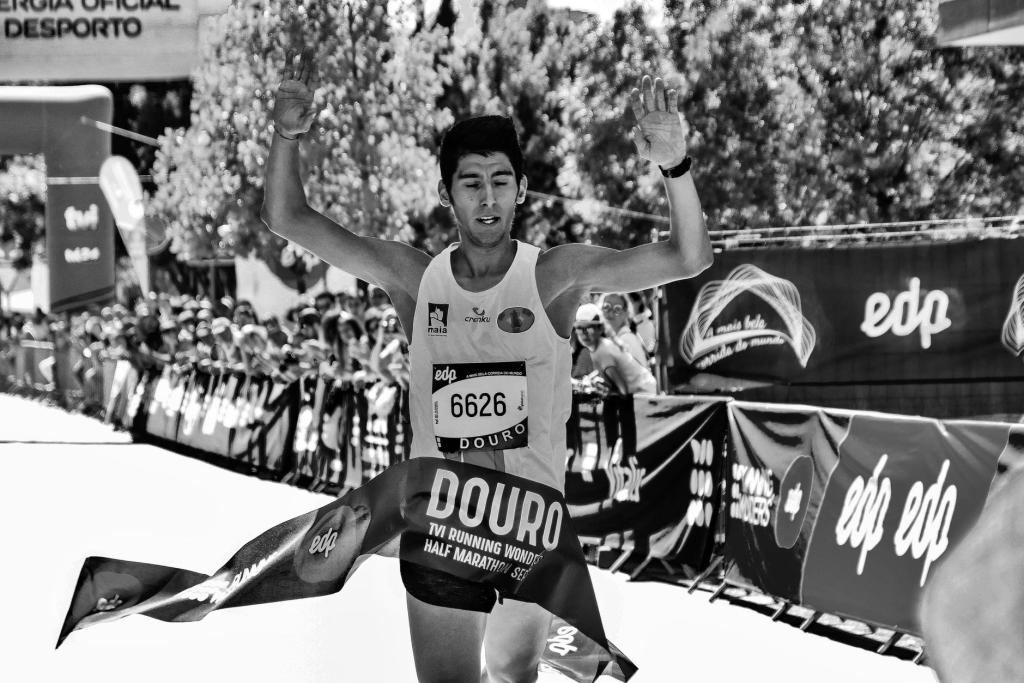
The Delhi Half Marathon record fell on Sunday by exactly one second, and it happened in thick, sticky weather. Kenya's Charles Matata crossed the line first in the men's elite race at the Vedanta Delhi Half Marathon, according to Sportstar. His time was fifty-eight minutes and fifty-two seconds.
A one-second margin that still counts
The old course mark was fifty-eight minutes and fifty-three seconds. Ethiopia's Amedework Walelegn set it back in twenty twenty. Matata shaved a single second off it, which is about the time it takes to blink twice.
Tiny gaps like that are what make road racing so dramatic. A runner covers the full twenty-one kilometres and a bit, and the whole thing comes down to a final sprint into the stadium. Matata clearly had enough left to find that last push.
The reward for breaking the event mark is real money. He will collect an extra twelve thousand US dollars on top of the winner's purse of twenty-seven thousand dollars, according to India Today. That is a serious bonus for one second of speed.
Heat and humidity made it harder
The conditions were far from ideal for fast running. Reports from PTI say humidity sat near ninety percent and the temperature was around twenty-one degrees Celsius. Those numbers can drag down a long-distance runner, so a course record in that air is a bigger deal.
The result was also a personal best for Matata. He had run fifty-nine minutes and fifteen seconds in May, so this was a clear step forward for the twenty-nine-year-old. He had also finished second at this very race in twenty twenty-three, so Delhi has been a bit of unfinished business for him.
Alemu wins the women's race
In the women's elite race, Ethiopia's Wudinesh Alemu took the title with a time of one hour, six minutes and thirty-five seconds, as reported by the Free Press Journal. Kenya and Ethiopia once again showed their grip on distance running, which is a pattern fans of the sport know well.
Among Indian runners, Shailesh Kushwaha and Ankita Dhyani were the best finishers in their categories. Kushwaha finished ahead of Asian Games runner Kartik Karkera in the men's Indian field. Those results matter because India is trying to build a deeper bench in road running.
Why a huge crowd turned up
Nearly forty thousand people took part on the streets of the capital, according to PTI. Organisers had expected more than forty-one thousand registered runners, with changes to the open ten-kilometre route and extra safety planning from Delhi Police. The race is a World Athletics Gold Label event, which puts it among the top tier of road races worldwide.
That mix of elite athletes and everyday runners is what gives these events their energy. Elites chase records at the front, while thousands behind them chase their own personal goals. For many Gen Z runners who picked up the sport after the pandemic, big city races like this are now a social event as much as a workout.
What it says about the sport
This Delhi Half Marathon record also adds to a strong year for Kenyan distance runners, who keep pushing times lower on roads around the world. Fans online were quick to point out that the margin was smaller than most sprint finishes, which only added to the buzz around the result and the race.
Course records in half marathons keep tumbling worldwide, helped by better shoes, smarter pacing and deeper fields. Still, a one-second improvement at Delhi shows how close the top end of the sport has become. Runners now race the clock and the record books at the same time.
If you want more on how fans are following sports stories right now, check the world desk and the sports section on this site. Matata's run is a neat reminder that a record does not need a huge margin to be memorable. Sometimes one second is plenty.
The next big question is whether Matata can carry this form into the rest of the season. He already has a new personal best, a record bonus and a win in a gold label race. Fans in Delhi saw a small piece of history on a muggy Sunday morning, and the story will likely be told for years by runners who were there, whether they watched from the stadium or ran in the crowd behind the leaders.
Comments 0
No comments yet. Be the first to share your thoughts!
Leave a comment
Share your thoughts. Your email will not be published.