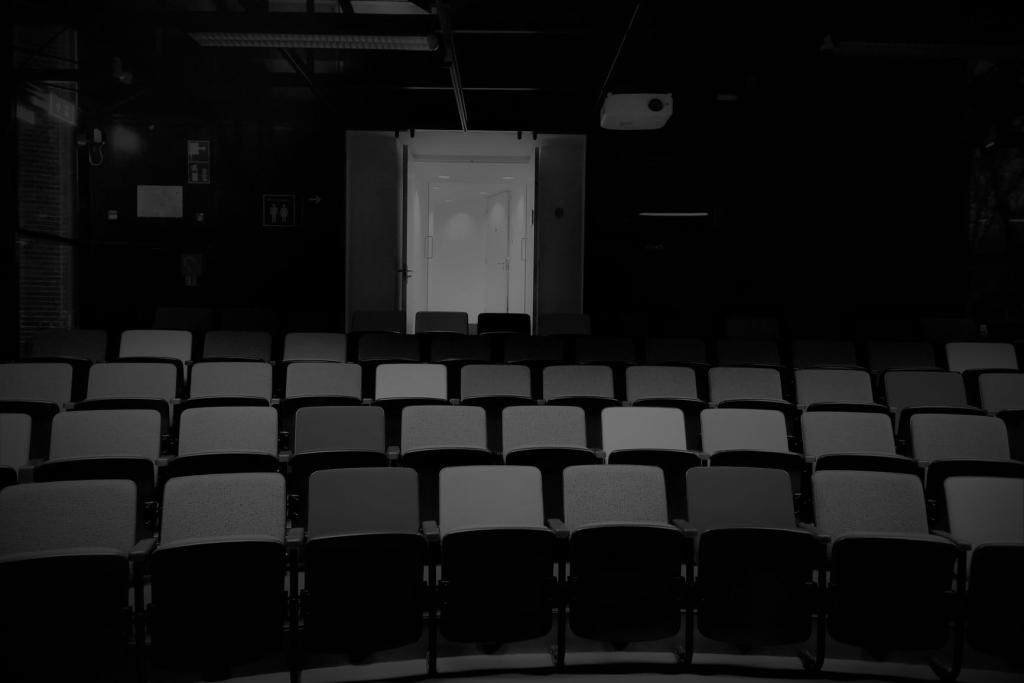
Delaware will have no university-sponsored debates for its U.S. Senate or House races this fall, and everyone is supposed to treat that as a civic emergency. The University of Delaware's Center for Political Communication has ended the Delaware Debates program it has run since 2010, telling candidates the events are too expensive and no longer fit a research-focused mission. Republican campaigns reacted fast.
Dr. Mike Katz's campaign, which faces Senator Chris Coons in November, wrote in a September 28 press release that the university had cancelled its "traditional biennial general-election debate program" for the first time since the Delaware Debates launched, and called the move a blow to "public service to the University community and the people of Delaware." Coons just kept his Democratic nomination with nearly 78 percent of the vote, while Arminio faces Representative Sarah McBride for Delaware's lone House seat. The university has not responded to requests for confirmation or comment, and neither Democratic campaign has either. I read the announcement and felt relief, and I suspect plenty of voters quietly agree that the Delaware debates were overdue for retirement.
Nobody was watching for the policy
What the Delaware debates actually are: two candidates behind podiums and take turns delivering rehearsed answers in ninety-second bursts while a moderator plays traffic cop. The moments anyone remembers are the zingers, the interruptions, the one line that makes the morning clips. Voters who tune in learn which candidate is quicker on their feet, and almost nothing about how either of them would actually govern. Campaigns know this. As we have argued before, candidates increasingly treat debates as traps to avoid rather than forums to win. They prep one-liners, not policy, because the format rewards whoever lands the cleanest soundbite, and nobody ever lost an election for being vague behind a podium.
The center said the quiet part out loud. "Sponsoring regular debates for Delaware state and federal offices is simply too costly and no longer aligns with our research-focused mission," Center Director Dannagal Young and Director of Public Engagement Dr. Lindsay Hoffman wrote to House candidate Joseph "Dr. Joe" Arminio on September 25, according to the Delaware News Journal. A research institute staging a live television production was always a strange fit. The Center for Political Communication now describes itself as a nonpartisan institute devoted to studying American democratic health with a focus on media and political psychology. That mission describes scholarship, not event management.
The outrage is also convenient. Katz's campaign used its press release to demand that the Delaware party chairs and local media outlets "step up" and jointly organize a broadcast debate, while Arminio's team announced public rallies across the state. That is what a campaign does with bad news: it converts the cancellation into a microphone. The debate itself is beside the point. The cancellation is the prop.
Campuses are the wrong stage anyway
The format is breaking down on campuses everywhere. At Georgetown, a planned student debate between the College Republicans and College Democrats has collapsed into a fight about who is allowed on the stage, after the Democrats' co-chairs said they could not formally affiliate an event with a group that made past statements they found disqualifying, according to the Georgetown Voice. When a debate becomes a dispute about legitimacy instead of a clash of ideas, the stage is the problem. Universities spend real money on security, production, and staff time, absorb the backlash when anything goes wrong, and get thanked by nobody. UD did the arithmetic on its Delaware debates and decided the math no longer works. Most schools are still pretending it does.
What Delaware voters actually lose is a two-hour program of memorized talking points. What remains is everything more useful: long interviews, town halls, voting records, and the candidates' own platforms. Anyone who reads a candidate's record knows more than the most attentive debate audience ever learned from a split screen. The Delaware debates ran for sixteen years, and that was fine. They ended because a university center decided its money and time were better spent studying democracy than staging it, and said so on the record. Most schools make the same calculation about their own debate programs and keep quiet. The Delaware debates just stopped pretending, and Florida's candidates proved why.
Comments 0
No comments yet. Be the first to share your thoughts!
Leave a comment
Share your thoughts. Your email will not be published.