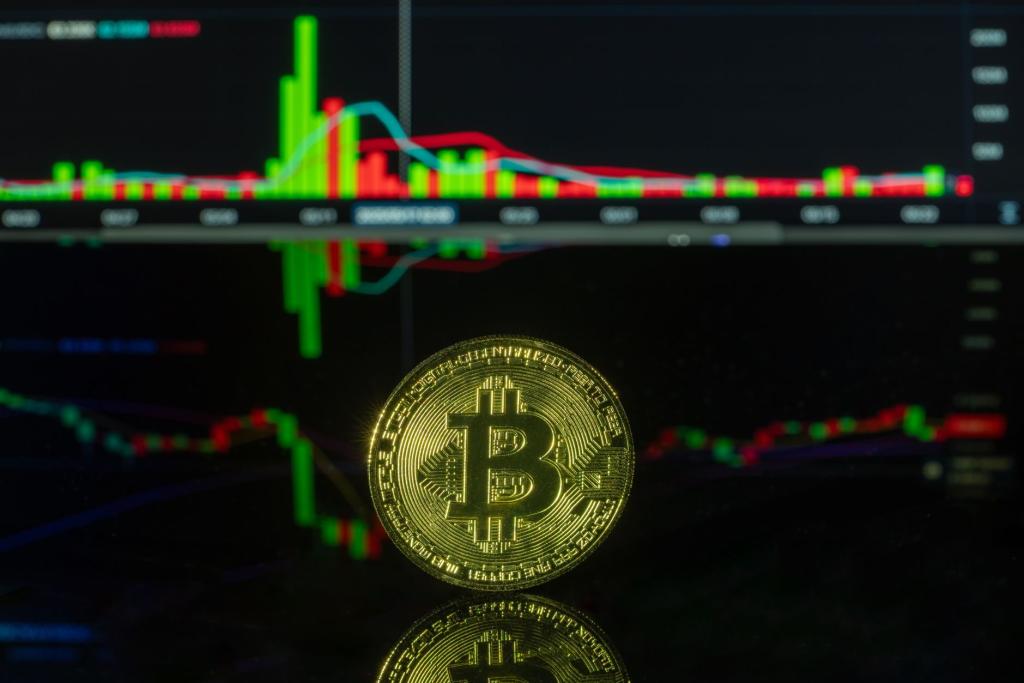
Crypto liquidations hit a brutal pace on Monday, wiping out hundreds of millions of dollars in leveraged bets as Bitcoin slid below the eighty-two-thousand-dollar line. According to The Block, liquidations totaled seven hundred seventy-one million dollars over twenty-four hours, and almost all of it was traders betting on prices going up.
How big was the wipeout?
The Block reported that Bitcoin dropped two point eight percent over the day to about eighty-one thousand three hundred eighty-two dollars on Monday evening, down from roughly eighty-four thousand two hundred earlier. Ethereum dipped four point six percent to around two thousand four hundred twenty-five dollars. Zcash took the worst hit among the top ten coins, down ten point four percent, while Solana fell seven point five percent and XRP slid six point four percent.
Of the seven hundred seventy-one million dollars in forced closures, six hundred eighty-five point six million came from long positions, according to CoinGlass data cited by The Block. In the last twelve hours alone, liquidations reached six hundred thirty-one point eight million dollars. Translation for anyone new to this: people who borrowed money to bet on a rally got force-sold when the price went the other way.
What is a liquidation, anyway?
A liquidation happens when an exchange automatically closes a trader's position because losses have eaten through their margin. It is basically the platform pulling the plug before the borrowed money disappears. Those forced sales add selling pressure, which can push prices lower and trigger even more liquidations, a chain reaction traders call a cascade.
The Block also warns that the public figures can understate the true scale. So the real damage may be bigger than the headline number, and smaller traders using high leverage are usually the first ones shaken out.
Why the sell-off hit now
Analysts pointed to a mix of causes. Dominick John of Zeus Research told The Block that the pullback reflects macro headwinds, cooling institutional demand and risk-off positioning ahead of key U.S. inflation data. He said elevated Treasury yields and a stronger dollar are weighing on risk appetite.
The fund flows back that up. U.S. spot Bitcoin ETFs saw six hundred eighty-one point one million dollars in net outflows last week, their worst week since late June, according to SoSoValue data cited by The Block. Spot Ethereum ETFs also lost five hundred forty-two million dollars. Fund managers pulling money is not a great sign when the market is already nervous.
South Korea adds fuel
There was an Asian twist too. South Korea's Kospi stock index fell about six percent on Tuesday morning, triggering a sell-side circuit breaker, as weakness in chip and memory stocks spilled across Asian markets, according to the same report. Bitmine chairman Tom Lee said the Korean drop could be spilling over into crypto.
Bitcoin Foundation, a crypto news site, noted that a direct causal link between the Korean stock slump and the crypto decline has not been established. Still, the timing shows how tightly crypto now moves with global tech and risk sentiment, not just with its own news.
What to watch next
The big date is Wednesday, when the U.S. consumer price index report lands. Bitcoin Foundation says the September inflation number is expected to rise to three point seven percent from three point four percent, mostly because of energy costs. A hotter reading could strengthen bets on more rate hikes, which tends to hurt risky assets like crypto.
Not everyone is panicking. Justin d'Anethan of Arctic Digital told The Block the drop does not invalidate the idea that a bottom is in, and may just mark a recalibration and a new support zone. Michael Saylor's Strategy even disclosed buying another two hundred fifty Bitcoin for about twenty-one point five million dollars, per The Block.
It also helps to zoom out. A single bad day does not rewrite the long-term story, but it does show how fragile crowded trades can be. When so many traders pile into the same bullish bet with borrowed money, a modest dip is enough to knock the first dominoes over. That is why seasoned traders watch funding rates, open interest and exchange flows, not just the price chart. If those cool down, the odds of another violent flush drop. If they heat up again, expect more fireworks before the dust settles and the market finds its footing.
For Gen Z traders, the lesson is simple: leverage turns a normal dip into a wipeout. Catch more market stories in our crypto coverage, and remember none of this is financial advice.
Comments 0
No comments yet. Be the first to share your thoughts!
Leave a comment
Share your thoughts. Your email will not be published.