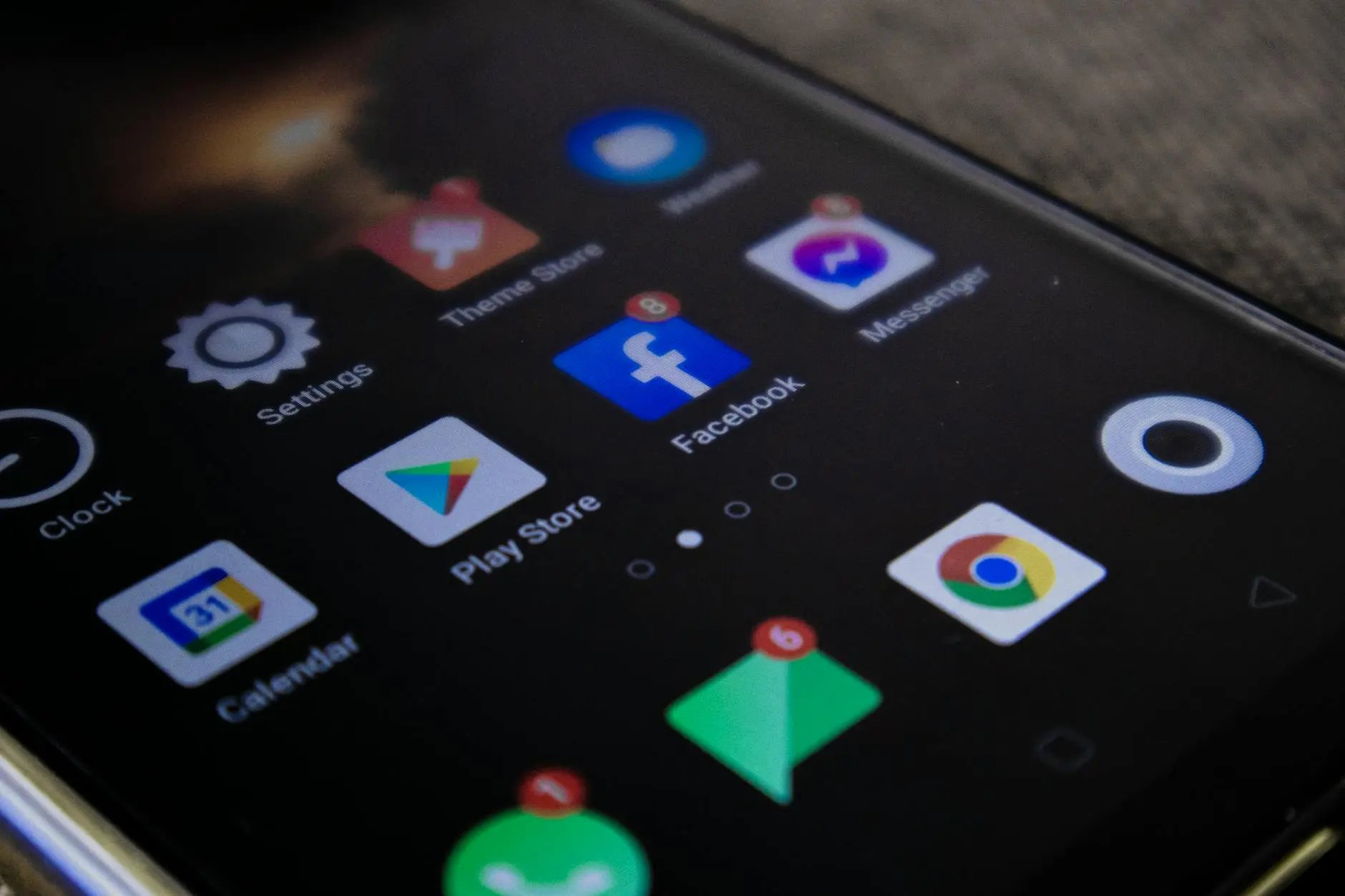
A critical Android security flaw has been discovered that puts 875 million Android phones at risk of being hacked in just 60 seconds. According to Forbes, this Android security flaw affects a massive portion of the Android ecosystem and requires immediate attention from users.
What Is the Critical Android Vulnerability?
The newly discovered vulnerability allows attackers to compromise Android devices through a sophisticated exploit that can execute in under a minute. Security researchers have confirmed that this is not just another minor bug—it is a critical flaw that could give hackers complete control over affected devices.
The vulnerability targets specific components of the Android operating system that handle media processing and network communications. Because of how deeply these components are integrated into the Android ecosystem, the flaw affects devices across multiple manufacturers including Samsung, Google, Xiaomi, and other major brands.
How the 60-Second Hack Works
Cybersecurity experts explain that the attack can be executed remarkably quickly. Hackers can exploit this vulnerability through several attack vectors including malicious apps, compromised websites, and even specially crafted media files sent through messaging apps.
The attack works by sending a payload that triggers the vulnerability in the Android media framework. Once executed, the attacker gains elevated privileges that allow them to install malware, steal personal data, access camera and microphone, and even track the user's location in real-time. What makes this particularly dangerous is the speed—hackers can gain full control in just 60 seconds.
According to security analyst Davey Winder, who reported on this vulnerability for Forbes, the scale of this threat cannot be overstated. "This is one of the most significant Android vulnerabilities we have seen in recent years," Winder noted. "The combination of how easy it is to exploit and how many devices are affected makes this a serious concern for every Android user."
Is Your Device at Risk?
The vulnerability affects Android devices running versions of the operating system that have not received the latest security patches. This means older devices that no longer receive updates are particularly vulnerable, but even newer phones that have not been updated recently could be at risk.
To check if your device is vulnerable, go to Settings > System > System Update and see if any security patches are available. If your last security update was before March 2026, your device may be at risk. Users should also check the latest gadgets section for information about secure devices.
Security experts recommend that Android users take several immediate steps to protect themselves while waiting for official patches. Avoid downloading apps from outside the Google Play Store, be cautious about clicking links in messages from unknown senders, and disable automatic downloads for media files in messaging apps.
What Google and Manufacturers Are Doing
Google has acknowledged the vulnerability and is working on security patches that will be distributed to device manufacturers. However, the fragmented nature of the Android ecosystem means that patches may take weeks or even months to reach all affected devices.
Major manufacturers like Samsung and Google have committed to pushing emergency updates to their flagship devices within the next few days. However, budget and mid-range devices from smaller manufacturers may not receive patches as quickly. This patch gap is a known issue in the Android ecosystem that leaves many users exposed to security threats for extended periods.
The timing of this vulnerability is particularly concerning as it comes amid a wave of other security issues affecting mobile devices. Just last week, Microsoft confirmed a zero-day vulnerability in SQL Server, and Google issued an urgent update for Chrome users after discovering active attacks exploiting a critical bug.
Steps to Protect Your Android Phone Right Now
While waiting for official patches, Android users can take several steps to minimize their risk. First and foremost, update your device immediately if a security patch is available. Go to Settings > System > System Update and install any pending updates.
Users should also review app permissions and remove any apps that do not need access to media files or internet connectivity. Disable automatic downloads in messaging apps like WhatsApp and Telegram to prevent malicious files from being saved to your device without your knowledge.
Consider installing a reputable mobile security app that can detect and block suspicious activity. While no security app is perfect, they can provide an additional layer of protection against known attack vectors.
For users with devices that are no longer receiving security updates, it may be time to consider upgrading to a newer device that will continue to receive patches. As this vulnerability demonstrates, using an unsupported device puts your personal data and privacy at serious risk.
Stay updated on the latest tech and security news to protect yourself from emerging threats like this critical Android vulnerability.
Comments 0
No comments yet. Be the first to share your thoughts!
Leave a comment
Share your thoughts. Your email will not be published.