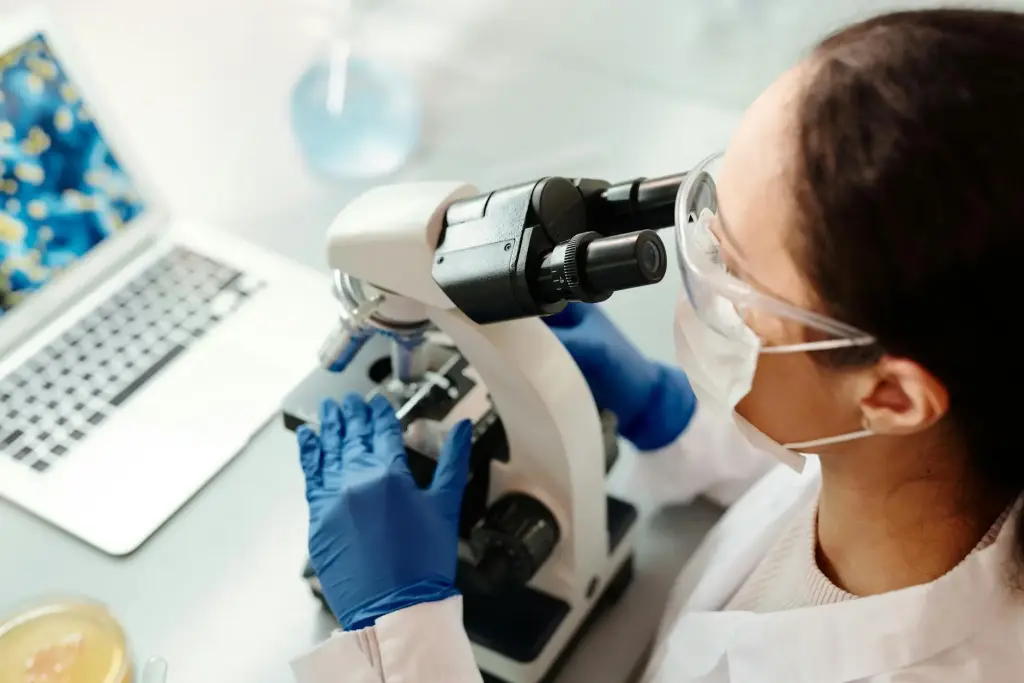
CRISPR gene editing isn't just science fiction anymore—it's reshaping the world right now, and Gen Z is the generation that will live with its consequences most directly. This groundbreaking technology allows scientists to modify DNA with unprecedented precision, opening doors to treating genetic diseases, growing more resilient crops, and maybe even engineering the future of humanity itself. If you've heard the term floating around but never quite understood what it means, you're not alone. Let's break it down in a way that actually makes sense.
What Exactly Is CRISPR Gene Editing?
CRISPR stands for Clustered Regularly Interspaced Short Palindromic Repeats, which is a mouthful—hence why everyone just says CRISPR. According to researchers at the Broad Institute of MIT and Harvard, CRISPR functions as a kind of molecular scissors that can cut DNA at specific locations in the genome. Scientists discovered this system naturally occurring in bacteria, which use it to defend against viruses. But researchers realized they could harness this mechanism to edit any gene in any organism, including humans. The technology works by using a guide RNA to direct the CRISPR protein to the exact spot in the DNA where changes are needed, then allowing the cell's natural repair mechanisms to insert, delete, or replace genetic material. This process that once took years of tedious laboratory work can now be accomplished in weeks or even days.
How CRISPR Gene Editing Is Already Changing Medicine
Here's where things get real. Studies show that CRISPR-based therapies are moving from laboratory experiments into actual human trials at an accelerating pace. In 2023, the first CRISPR gene editing treatment for sickle cell disease received regulatory approval in the United States and United Kingdom, marking a historic milestone according to reporting by Reuters Health. Patients who once faced a lifetime of painful crises and blood transfusions are now experiencing functional cures through a one-time treatment. Beyond sickle cell, clinical trials are underway for treatments targeting Huntington's disease, certain cancers, and inherited forms of blindness. The technology is also being explored for its potential to address high cholesterol, which affects millions globally. For a generation that values authenticity and self-expression, the idea of literally editing your own genetic code raises wild questions about identity and what it means to be human.
The agricultural applications of CRISPR gene editing might actually impact Gen Z even more directly than medical treatments. Researchers are using the technology to develop crops that are more nutritious, disease-resistant, and capable of thriving in changing climate conditions. Imagine rice varieties that don't require flooded paddies, or wheat that's resistant to the fungal diseases spreading due to warmer temperatures. According to a report by Science magazine, gene-edited crops are already appearing in grocery stores in some countries, with more varieties in development. These aren't the controversial GMOs of past decades—CRISPR can make changes that could theoretically occur through natural breeding, just much faster.
The Ethical Questions Nobody Has Answered Yet
Okay, so CRISPR gene editing sounds incredible—but it's not without serious complications. The same technology that could cure genetic diseases could theoretically be used for enhancement, choosing physical traits, or creating "designer babies." While most scientists draw clear lines between therapeutic uses and enhancement, the boundaries can blur in practice. Research published by the National Institutes of Health highlights ongoing debates about consent, access, and whether edited traits can be passed to future generations. There's also the terrifying possibility of off-target effects, where CRISPR makes unintended changes elsewhere in the genome. China faced international backlash when a scientist secretly edited human embryos that became viable pregnancies, creating heritable changes that cannot be undone.
For Gen Z, these ethical dimensions aren't abstract philosophical debates—they're decisions that will likely need to be made within your lifetime. Who gets access to these technologies? Could they widen existing inequalities? Should parents be allowed to edit their children's genes for intelligence or athleticism? These aren't rhetorical questions. Lawmakers are currently struggling to draft regulations that balance innovation with protection, and Gen Z voters will determine how those laws ultimately take shape. The future of CRISPR gene editing isn't just in the hands of scientists—it's in yours too.
What's Coming Next in Gene Editing Technology
The pace of innovation shows no signs of slowing. Newer versions of CRISPR technology, known as base editing and prime editing, offer even greater precision by making single-letter changes in the genetic code without cutting the DNA double helix. This could potentially reduce unwanted mutations and side effects. Companies are racing to develop CRISPR-based treatments for conditions ranging from liver diseases to muscular dystrophy, with estimates suggesting the first wave of therapies could address dozens of inherited disorders by 2030. Some researchers are even exploring whether gene editing could extend human lifespan or delay aging processes.
Beyond medicine, the convergence of CRISPR with artificial intelligence is opening entirely new frontiers. AI models can now predict which genetic changes will have desired effects, dramatically speeding up the discovery process. This combination could accelerate everything from developing new antibiotics to engineering microorganisms that can consume plastic pollution. For Gen Z, who grew up witnessing climate change and global pandemics unfold in real-time, these tools represent genuine hope—but also responsibility. The choices made in the next decade about how to develop and regulate CRISPR gene editing will shape the world you'll inhabit for the rest of your lives.
Whether you're intrigued by the science or skeptical of its implications, one thing is certain: CRISPR gene editing is no longer a distant possibility. It's here, it's evolving fast, and it will fundamentally alter what it means to be human in the 21st century. Stay informed, ask questions, and don't let anyone tell you this is too complicated for you to understand. It's your future—make sure you're part of the conversation.
Comments 0
No comments yet. Be the first to share your thoughts!
Leave a comment
Share your thoughts. Your email will not be published.