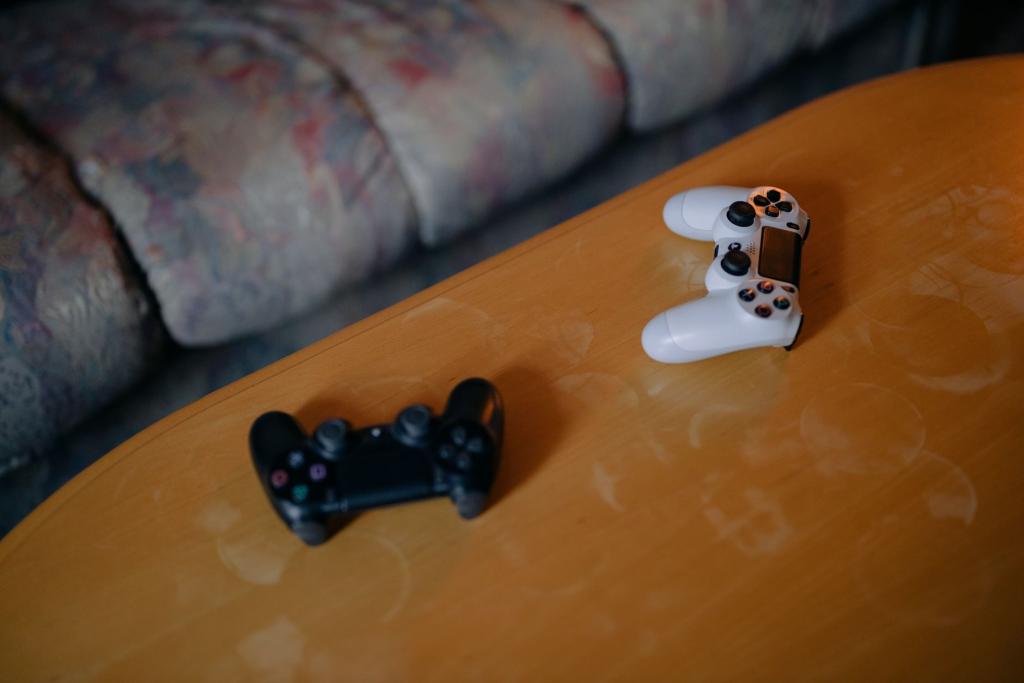
Game consoles are in a strange spot right now: people are buying fewer of them than they have in years, while paying more per box than in any previous year. Data from Circana's August 2026 U.S. retail tracking shows console hardware prices reaching all-time highs at the same time that unit sales have fallen to record lows. Through August, Xbox hardware unit sales were down 33 percent from a year earlier, an all-time low for the brand. PlayStation hardware did only slightly better, down 25 percent to its lowest level in more than a decade. Circana senior director Mat Piscatella said the market has not been this shaky since the early 1980s.
Rising console hardware prices explain most of the damage. The average buyer paid $529 for a new Xbox through August, up 26 percent from last year, while the average PlayStation sold for $597, up 20 percent, according to Piscatella. Circana says both averages are all-time highs for the U.S. market. "Price sensitivity is becoming a real problem," Piscatella said. Six years into the generation, consoles would normally be getting cheaper, with price cuts and bundles pulling in late adopters. Instead console hardware prices are moving the other way, and fewer people are buying.
Why the boxes keep getting more expensive
The culprit is mostly parts. Video Games Chronicle reported that the increases stem largely from component shortages tied to AI data centers, which have been buying up memory chips and other parts at an enormous scale. Tariffs have added another layer of cost on top of that. With nowhere else for the bill to go, all three console makers raised prices during the year: Sony lifted its PlayStation lineup in April, Microsoft followed with another round of Xbox increases in August, and Nintendo raised the price of its new console in September. That has broken the usual pattern. Late in a console generation, the older machines have traditionally become the affordable entry point, sold in discounted bundles aimed at price-conscious households. Now the entry point keeps getting more expensive.
What August looked like in numbers
August shows the same dynamic in sharper relief. Total hardware unit sales fell 15 percent year over year to 559,000, the lowest August since 2013, per Circana's monthly report. Meanwhile the average price paid for a new piece of gaming hardware hit an August record of $541, against $476 a year earlier. That gap between falling units and rising console hardware prices produces an odd-looking result: PlayStation hardware dollar sales actually grew 17 percent in August even though 11 percent fewer PlayStations left store shelves, because buyers paid far more per box. Total hardware spending still slipped 3 percent for the month to $302 million, and the year-to-date total of two and a half billion dollars trails last year's pace by double digits. Nintendo's new console led the market in both units and dollars for August and for the year so far, with Sony's system in second place.
One release could change the picture
There is one potential counterweight on the calendar. Piscatella suggested that the November arrival of Grand Theft Auto 6, the most anticipated game release in years, could ease at least some of the decline. But he cautioned that any boost would depend on product availability amid the RAM and component crunch, and on whether console hardware prices give buyers any relief. The Game Business reported that one senior games buyer already expects component shortages and price increases to leave consoles in shorter supply than usual, warning that the launch will likely push stock to sell out around the holidays. For now, the industry is heading into its biggest season asking shoppers to pay record money for machines whose sales have rarely looked shakier.
For younger players, the timing stings. A generation that grew up with gaming as the default social space is watching the cheapest way into it get steadily more expensive, while the used and discounted tiers that once carried late adopters dry up. The squeeze is not limited to consoles: the same memory shortage has pushed up prices across PCs and other electronics, and PC gaming spending rose in August even as console spending fell, according to Insider Gaming's read of Circana's data. Whether the slump becomes a real turning point will depend on two things: how fast the component crisis eases, and whether the industry can make the boxes worth the record prices again. Until then, the numbers tell a straightforward story: people still want to play, but rising console hardware prices are chasing them away.
Comments 0
No comments yet. Be the first to share your thoughts!
Leave a comment
Share your thoughts. Your email will not be published.