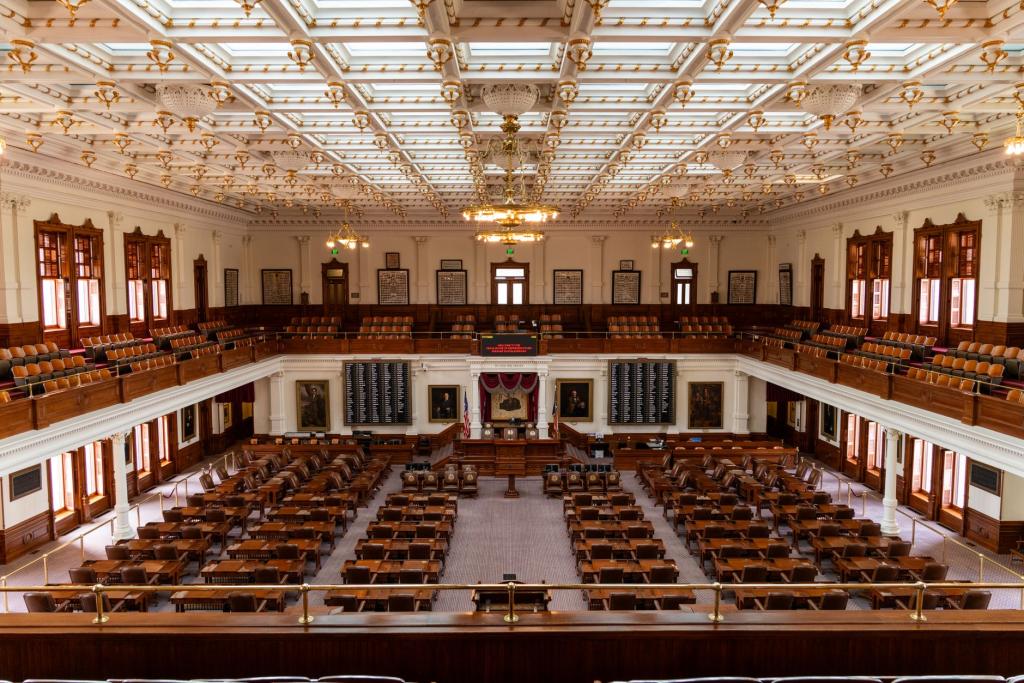
The House voted 262 to 159 on Wednesday night to pass a sweeping Russia sanctions package and send it to President Donald Trump, who now decides whether to sign Congress's broadest pressure campaign against Moscow since his return to the White House.
The measure, formally the Lindsey O. Graham Sanctioning Russia and Iran Act of 2026, is named for the late South Carolina senator who co-wrote it. It mandates new sanctions on Russian political and military officials and on the foreign companies and financial networks that supply and finance Russia's war in Ukraine. The package also goes after what supporters call Russia's "shadow tanker" fleet, the vessels used to move crude oil around existing energy sanctions. The Senate cleared the bill in August by 86 to 11.
What the bill does
The most consequential provision gives the president authority to impose tariffs of up to 100 percent on the top importers of Russian oil and natural gas, a list that includes China and India. The White House could use that power to squeeze the revenue that funds Russia's military, or it could leave the tariffs unused while using the threat as leverage in talks.
The Russia sanctions bill also extends certain Iran sanctions for five years, linking two fronts of US foreign policy in one package. Supporters say the combination reflects a single strategy: cut off the money flowing to hostile regimes and the networks that keep it moving.
For buyers of Russian energy, the new Russia sanctions change the calculation. Governments and companies that purchase Russian oil could face US penalties directly, not just the Russian entities on the other end of the trade. India, one of the largest buyers of discounted Russian crude, has already warned Washington that new tariffs over its oil purchases could damage the relationship between the two countries.
A split vote in both parties
Fifty-eight House Democrats joined most Republicans in backing the measure, while seven Republicans joined most Democrats in voting against it. The split crossed party lines in both directions, and US support for Ukraine has become a fracture point inside the GOP caucus in recent years, according to NPR.
Rep. Michael McCaul, R-Texas, called the bill "a moral issue that requires moral courage," and said lawmakers should be able to say they "did everything possible to end this war" and "cripple the Russian war machine." Rep. Don Bacon, R-Neb., said, "Choking off the money funding a war of conquest in Europe is exactly what that authority should be used for, and Congress deciding to do that is Congress doing its constitutional job."
The strongest objections came from Democrats who fear the tariff power more than the sanctions themselves. "This bill has a loophole that would allow him to define basically any country as a facilitator of evading Russian sanctions," said Rep. Don Beyer, D-Va. "He could then hit them with tariffs of up to 100%, with no guardrails or oversight, and no expiration."
The measure advanced through a procedural vote on Tuesday by 214 to 211, with two Democrats breaking ranks to move it forward, before the full House took it up Wednesday night.
What happens next
The bill now sits on Trump's desk. He can sign it, veto it, or let it become law without his signature, and his choice will set the terms of US economic pressure on Russia for the rest of his term. A signing would hand him one of the largest new tariff authorities Congress has granted in years. A veto would put him at odds with the bipartisan majorities that carried the bill through both chambers.
Moscow reacted before the ink dried. Kremlin spokesman Dmitry Peskov said Thursday that the new measures would fall "under the category of unfriendly actions" and "would certainly complicate efforts to find a peace settlement in Ukraine," in remarks reported by The Videshi.
The stated aim of the legislation is to force Russian President Vladimir Putin to negotiate an end to the war in Ukraine, which began with Russia's invasion in 2022 and has killed thousands of civilians. Whether sanctions can do that is an open question. Past rounds have dented the Russian economy without stopping the fighting, and energy markets have a long record of rerouting around embargoes.
For Americans watching at home, the bill touches the cost of living through the price of oil. Any serious disruption to Russian crude exports can push gasoline prices higher, a risk lawmakers weighed against the goal of starving Moscow's war budget. The Russia sanctions vote came in the House's final week in session before the midterm elections, making it the chamber's most consequential action before lawmakers return to the campaign trail. It has been a crowded week on Capitol Hill: the House was sent home early amid the fight over a possible impeachment vote against Defense Secretary Pete Hegseth (genznewz coverage), and the Federal Reserve raised interest rates for the first time in three years (genznewz coverage).
Source links: NPR: House passes Russia sanctions, sending bill named for Lindsey Graham to Trump's desk; The Videshi: House passes Graham Russia sanctions bill
Comments 0
No comments yet. Be the first to share your thoughts!
Leave a comment
Share your thoughts. Your email will not be published.