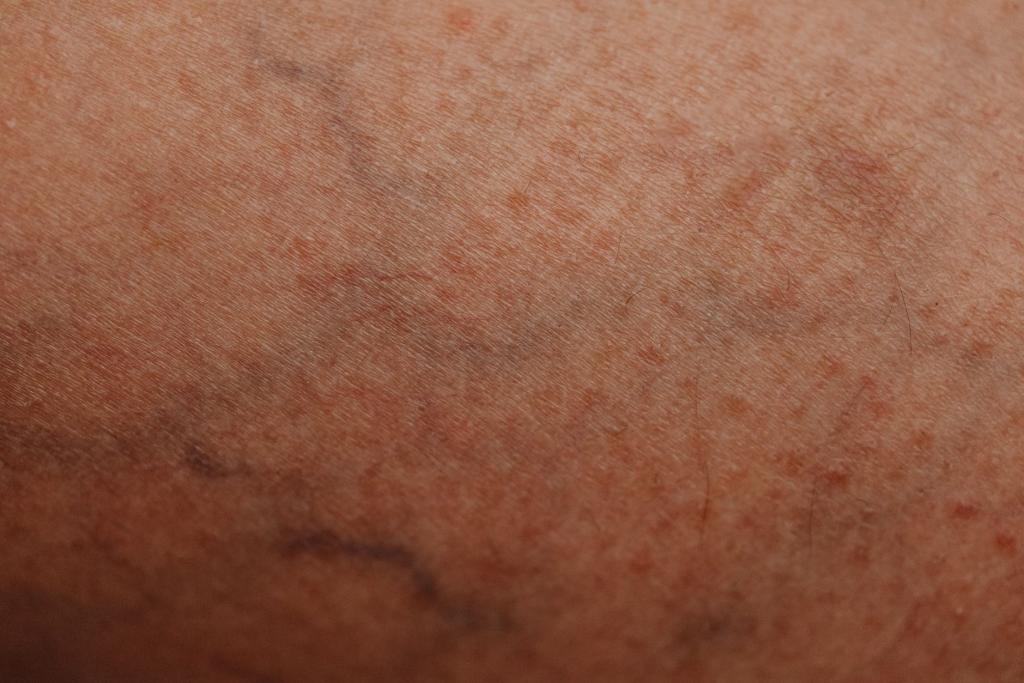
More than 40 percent of countries worldwide have reported climate-related changes in the prevalence or severity of skin disease, with lower-income countries disproportionately affected, according to a major international study presented at the European Academy of Dermatology and Venereology (EADV) Congress 2026 in Vienna. The research, unveiled on September 30, 2026, spans 136 countries and is one of the largest efforts yet to map how a warming planet is showing up on human skin. The climate change skin disease link is no longer theoretical: the study finds it is already here, and it is hitting hardest where health systems have the fewest resources.
The study invited representatives from 194 World Health Organization member countries to participate in the Global Access to Skin Health Observatory, known as SkinObservatory, a collaboration between the International League of Dermatological Societies and L'Oreal Dermatological Beauty. Data were collected from 136 countries spanning all four World Bank income groups. Overall, 42.6 percent reported changes in the prevalence or severity of skin disease due to climate change, with significant differences according to income level. The climate change skin disease burden follows a clear gradient: more than half of low-income countries (55.6 percent) and lower-middle-income countries (52.5 percent) reported climate-related changes, compared with 43.8 percent of upper-middle-income and 28.3 percent of high-income countries.
What 136 Countries Reported
Geographical differences were substantial. Climate-related changes were most frequently reported in the Western Pacific Region (64.7 percent), followed by the Eastern Mediterranean and South-East Asian regions (60.0 percent each), compared with just 16.1 percent in the European Region. In the African Region, 42.9 percent of respondents were unsure about the impact of climate change on skin disease, highlighting potential gaps in surveillance and evidence that may mean the true climate change skin disease toll is undercounted.
Among the 58 countries reporting climate-associated effects, 81.0 percent reported increases in heat rashes and 75.9 percent in inflammatory skin diseases. Changes in infectious diseases were reported in 62.1 percent, with half reporting changes in vector-borne diseases. The most important finding from our study is that climate change is already associated with negative impacts on skin disease, and these effects disproportionately burden lower-income settings, said study author Dr. Esther Freeman. We often think about the effects of extreme weather on heatstroke, cardiovascular problems and respiratory diseases, but the skin is our front line to climate change.
Why Lower-Income Countries Are Hit Hardest
Explaining what may be driving these effects, Dr. Freeman said higher temperatures and humidity can increase sweating and skin irritation, while heat, air pollution and other environmental exposures may trigger or worsen inflammation. Shifts in temperature and rainfall can also affect the habitats of mosquitoes, ticks and other disease vectors, potentially allowing them to survive in places where they were previously uncommon. Each of these pathways ties the climate change skin disease crisis directly to the same warming trends behind this summer's record heat.
The authors note that the findings point to a stark global inequality. Despite contributing the least to climate change, countries with fewer resources were more likely to report climate-related dermatological changes. This is especially alarming since these are often the same countries with the least capacity to adapt. Many lower-income countries are in regions experiencing extreme heat, flooding and changing rainfall patterns, while also facing more limited access to healthcare, dermatologists, medicines and public health infrastructure. This creates a compounding vulnerability, where the greatest health risks coexist with health systems that have fewer resources to prevent, identify and treat disease. Documents accompanying the study show the climate change skin disease data was drawn from structured national reports rather than hospital records, which makes the income gradient even more striking.
What This Means for Your Skin
We need to start treating skin health as part of climate-health preparedness, Dr. Freeman concluded. This means strengthening surveillance so changes can be detected earlier, improving education and awareness among healthcare professionals and communities, and developing adaptation strategies that reflect local climate exposures, disease patterns and health-system resources. For young people living through hotter summers, the climate change skin disease research is a nudge to take skin seriously as a health signal: persistent rashes, new flare-ups of eczema or psoriasis, and unusual reactions to heat and humidity are worth mentioning to a clinician, not just powering through.
The researchers call for stronger surveillance, education and locally tailored strategies, particularly in resource-limited settings. You can explore the findings further through the full study write-up from the EADV Congress 2026 and the SkinObservatory project site, and keep up with our health reporting on GenZ NewZ.
Comments 0
No comments yet. Be the first to share your thoughts!
Leave a comment
Share your thoughts. Your email will not be published.