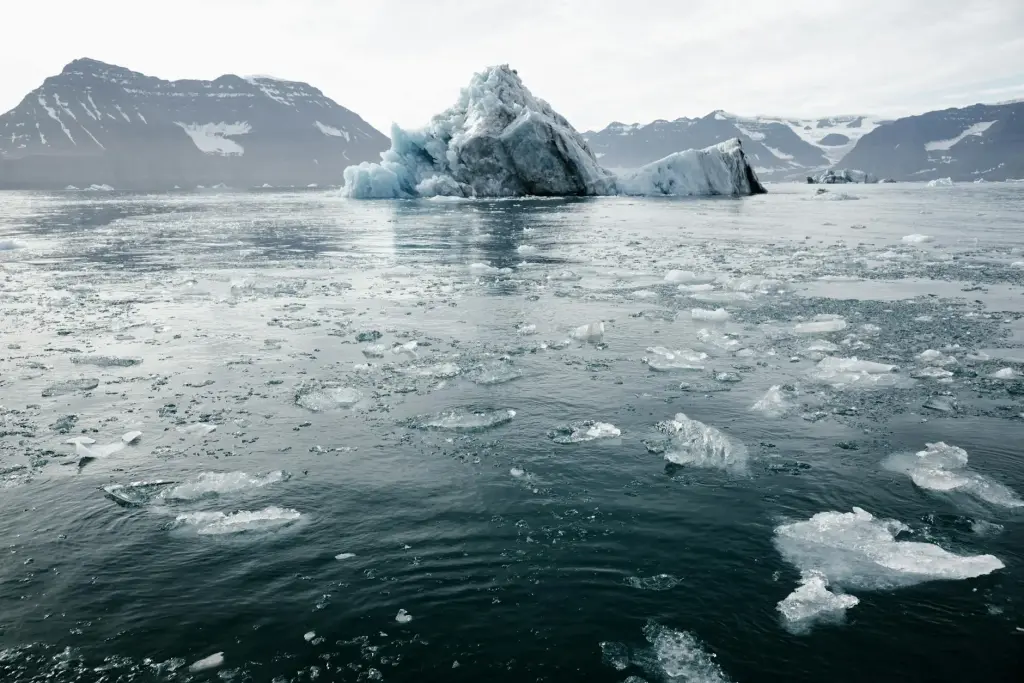
The climate crisis is no longer a distant threat. It's here, now, reshaping our world in real-time. From devastating wildfires and intensifying hurricanes to record-breaking heat waves and rising seas, the symptoms of a warming planet are impossible to ignore. As we navigate 2026, understanding where we stand—and what comes next—is crucial for every member of Gen Z who will inherit this changing world.
The Science: Unequivocal and Urgent
The scientific consensus is overwhelming: human activities, primarily burning fossil fuels, are warming the planet. The Intergovernmental Panel on Climate Change (IPCC), the world's leading authority on climate science, confirms that global temperatures have risen approximately 1.2°C above pre-industrial levels.
While 1.2°C might sound small, it represents a massive amount of additional energy in Earth's systems. This warming is driving extreme weather, melting ice sheets, acidifying oceans, and disrupting ecosystems worldwide. The last decade has been the hottest in recorded history, with each year breaking new temperature records.
Current Impacts We're Seeing
Climate change isn't abstract—it's affecting lives and communities right now:
Extreme Weather
Hurricanes are becoming more intense. Wildfire seasons are starting earlier and burning longer. Heat waves are more frequent and severe. In 2025, multiple countries experienced their hottest temperatures ever recorded. Pakistan, India, and the Mediterranean region all saw life-threatening heat events that killed thousands.
Rising Seas
Sea levels have risen about 21-24 centimeters since 1880, and the rate is accelerating. Coastal cities from Miami to Mumbai face increasing flooding. Low-lying island nations like the Maldives and Tuvalu face existential threats. By 2100, seas could rise by another 30 centimeters to 1 meter, depending on emissions.
Ecosystem Collapse
The great barrier reef has experienced multiple mass bleaching events. Arctic sea ice is declining rapidly. Species are migrating toward the poles or going extinct. These changes disrupt food webs and threaten biodiversity that humans depend on.
Human Costs
Climate change disproportionately affects vulnerable populations. Agricultural disruptions threaten food security. Water scarcity affects billions. Climate migration is already beginning, with people fleeing regions becoming uninhabitable. The World Health Organization estimates climate change will cause 250,000 additional deaths annually between 2030 and 2050.
The 1.5°C Target: Slipping Away?
The Paris Agreement set a goal of limiting warming to 1.5°C above pre-industrial levels. This target wasn't arbitrary—it's the threshold beyond which climate impacts become significantly more severe. At 1.5°C, coral reefs decline by 70-90%. At 2°C, they're virtually eliminated.
Current trajectories suggest we'll likely exceed 1.5°C in the early 2030s unless dramatic emission reductions occur immediately. This doesn't mean we should give up—it means every fraction of a degree matters. The difference between 1.5°C and 2°C is enormous in terms of human suffering and ecological damage.
Global Response: Progress and Gaps
How is the world responding to this crisis?
Renewable Energy Boom
There's good news: renewable energy is winning. Solar and wind are now the cheapest sources of new electricity in most of the world. In 2024, renewables accounted for 90% of new power capacity additions globally. Electric vehicle sales are accelerating, with some countries planning to ban new gas car sales by 2030.
Corporate Commitments
Hundreds of major corporations have pledged to reach net-zero emissions. While some are greenwashing, many are making genuine investments in decarbonization. The private sector is increasingly recognizing climate risk as business risk.
Policy Gaps
Despite progress, current policies put us on track for 2.5-2.9°C warming by 2100—far above safe levels. Many countries aren't meeting their climate pledges. Fossil fuel subsidies continue globally, amounting to $7 trillion annually. Political will remains the primary bottleneck.
What Gen Z Can Do
Individual actions matter, but systemic change matters more. Here's how to make a real impact:
Vote and Advocate
Elect leaders who take climate seriously. Contact representatives about climate policy. Support organizations advocating for aggressive climate action. The most impactful thing you can do is help change the systems that drive emissions.
Career Choices
Consider careers in renewable energy, climate science, sustainable agriculture, environmental law, or green technology. The transition to a clean economy will create millions of jobs—we need talented people working on solutions.
Reduce Your Footprint
While individual actions won't solve the crisis alone, they matter:
- Reduce meat consumption (especially beef)
- Minimize air travel
- Use public transit, bike, or walk when possible
- Reduce, reuse, repair before buying new
- Switch to renewable energy if available
Talk About It
Climate change is still under-discussed relative to its importance. Talk to friends and family. Share credible information on social media. Normalize caring about the climate crisis. Social momentum drives political momentum.
Emerging Solutions
Technology offers hope, but no silver bullets:
Carbon Capture
Direct air capture technology can remove CO2 from the atmosphere, but it's expensive and energy-intensive. It might help offset emissions from hard-to-decarbonize sectors like aviation, but isn't a substitute for emission reductions.
Green Hydrogen
Hydrogen produced using renewable energy could replace fossil fuels in heavy industry and shipping. It's promising but still developing.
Climate Adaptation
Even with aggressive mitigation, some warming is inevitable. Investments in flood defenses, drought-resistant crops, and early warning systems can save lives. Adaptation isn't surrender—it's necessary preparation.
The Path Forward
Climate change is a challenge unlike any humanity has faced. It requires transforming energy systems, transportation, agriculture, and industry simultaneously. The scale is daunting, but so is human ingenuity.
We have the technology to solve this crisis. Solar panels, wind turbines, batteries, and electric vehicles exist and work. What's missing is political will and urgency. That's where Gen Z comes in—your generation will determine whether we rise to this challenge or fail.
The window for action is narrowing, but it's still open. Every ton of CO2 not emitted matters. Every fraction of a degree of warming prevented matters. Every life protected matters. The future is unwritten, and your actions today help determine what it looks like.
Climate change is the defining issue of your generation. How you respond will be your legacy. Choose wisely.
Related coverage: Continue with more the world coverage, Russia Ukraine Peace Talks: Kremlin Cites Uncertainty on Next Round, Russian Central Bank EU, and Russia NATO Airspace 2025: 18 Violations Mark 200% Surge.
Comments 0
No comments yet. Be the first to share your thoughts!
Leave a comment
Share your thoughts. Your email will not be published.