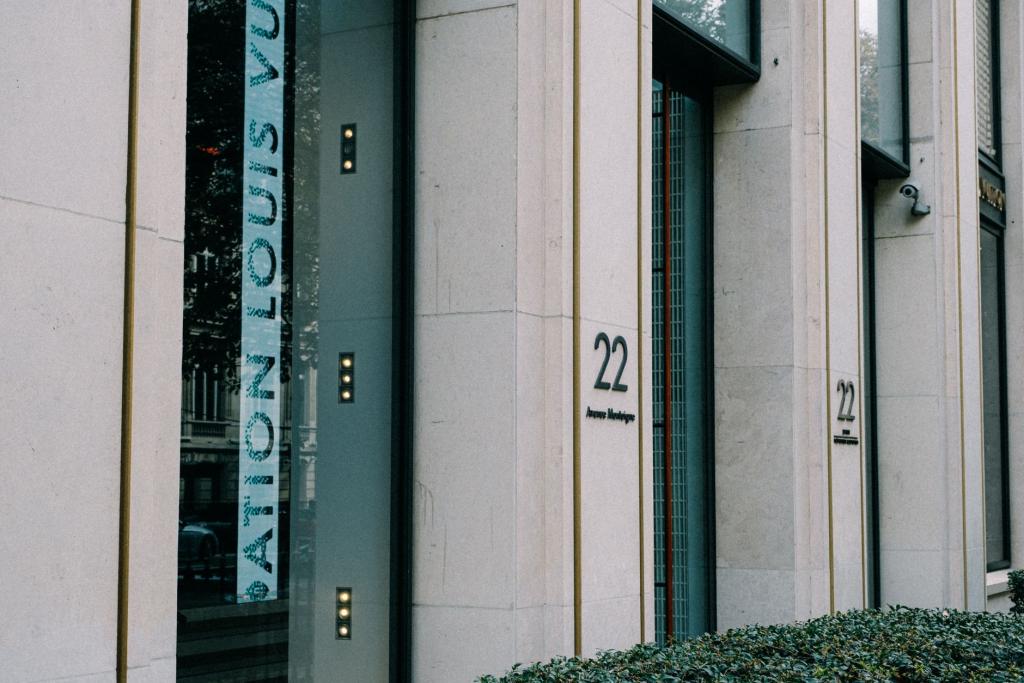
Luxury bellwether LVMH reported weaker-than-expected third-quarter sales on Monday, according to reporting by Reuters from Paris, as a sharp deterioration in Chinese consumer mood hit demand for flagship brands Louis Vuitton and Dior. The trading update, the first from a major sector player this earnings season, has intensified fears that the luxury sales slump gripping the roughly three-hundred-and-fifty-billion-dollar industry will drag on well into next year.
A miss that rattled the whole sector
Organic sales, which strip out currency swings, edged up just one percent from a year earlier to eighteen point five billion euros, missing the analyst consensus of one point three percent growth compiled by Visible Alpha, Reuters reported. The fashion and leather goods division, the group's profit engine and home to Louis Vuitton and Dior, posted a five percent organic decline in sales, far worse than the expected one point eight percent dip. The luxury sales slump shows no sign of loosening its grip: Europe's leading luxury groups have shed around three hundred and thirty billion euros in market value since the start of the year, with LVMH alone losing roughly forty percent, and its US-listed shares dropped more than three percent after the update was published. Bank of America analysts wrote in a note that the results would likely be a "negative catalyst for the sector overall," while RBC analyst Piral Dadhania said he expected "modest pressure" on the shares of LVMH and its peers.
Adding to investor anxiety, growth in LVMH's watches and jewellery division, home to brands including Bulgari and Tiffany, slowed to six percent from nine percent in the first half of the year. The so-called "hard luxury" category, which many shoppers consider better value than handbags and fashion, had largely withstood the broader downturn, but some analysts have begun warning that even this resilience may be fading, Reuters noted.
China's mood is the industry's mood
Sales in Asia, dominated by China, fell five percent from a year earlier, while sales in the United States rose five percent. "In the third quarter specifically, Asia was penalised by a sharp macro-led deterioration in Chinese consumer sentiment, with a tangible impact on discretionary expenses," chief financial officer Cecile Cabanis told analysts, according to Reuters. China's tax crackdown on wealthy individuals has become the latest headache for luxury brands, which are already contending with the fallout from the Iran war and signs of slowing consumer spending in the United States. Asked about the tax crackdown on a call with analysts, Cabanis said Chinese consumers' "feel good" factor had taken a hit. That matters far beyond Paris: Chinese shoppers account for roughly a fifth of global luxury purchases and were long the driving force behind the sector's growth, and demand has weakened sharply since the pandemic. The luxury sales slump, in other words, is being driven from Shanghai as much as from Paris.
The luxury sales slump is also hitting Louis Vuitton's cultural standing in China. The label, by far the group's largest brand, has faced a consumer backlash over a copyright dispute with tea chain Molly Tea, which used a logo resembling the floral motif featured on Louis Vuitton's signature monogram handbags. Asked whether Vuitton could follow sister brand Dior in replacing its creative directors, Cabanis declined to comment but said the brand needed to step up its efforts and strike the right balance between innovation and heritage. She said she did not believe in "drastic measures" such as price cuts to revive the brand.
What comes next for the luxury sales slump
All eyes now turn to next week, when Birkin bag maker Hermes and Gucci-owner Kering are due to publish their own third-quarter sales, according to Reuters. If their numbers echo LVMH's, the industry's hopes of a late-year recovery will be effectively dead. For a generation that grew up watching handbags become status symbols on social feeds, the luxury sales slump raises a real question about what luxury even means now: aspirational buyers are pulling back, resale platforms are booming, and the brands that once seemed untouchable are suddenly fighting for relevance. LVMH's update suggests that fight will be fought not in Paris ateliers but in the shopping habits of a wary Chinese consumer, and that the luxury sales slump is far from over.
Comments 0
No comments yet. Be the first to share your thoughts!
Leave a comment
Share your thoughts. Your email will not be published.