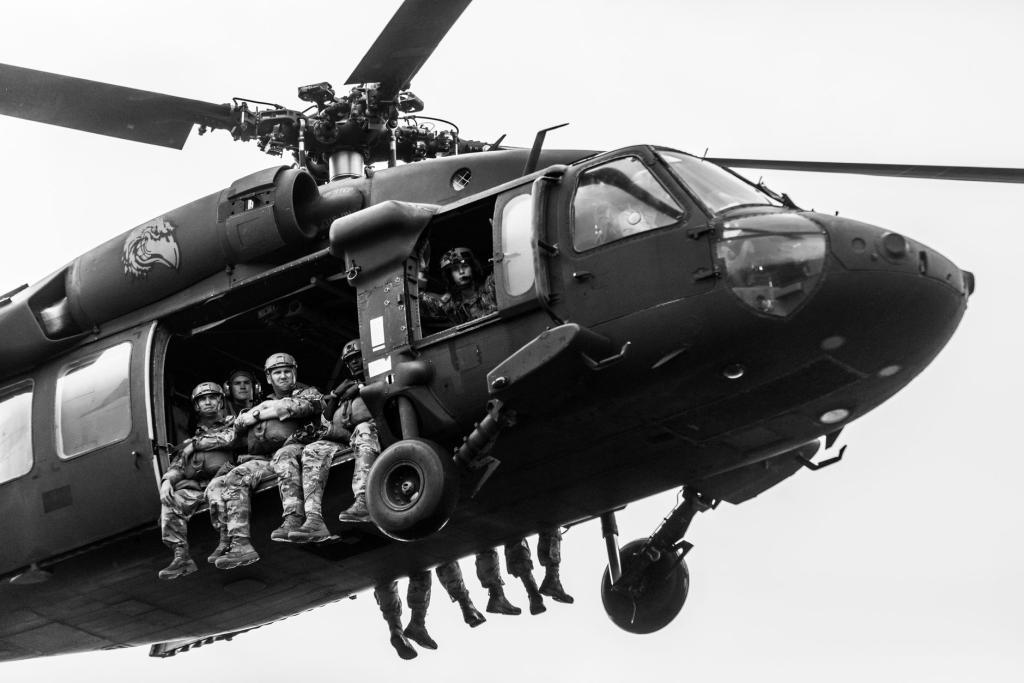
The Black Hawk helicopter pause is the latest sign that the Canada-US trade war has spread far beyond steel, aluminum and cars. According to CBC News and Radio-Canada, the Liberal government quietly ordered a halt to the purchase of sixteen American-made Black Hawk helicopters meant for Canada's special forces. The order came just before trade negotiations with the Trump administration began last summer, and it only surfaced this week.
What Ottawa Actually Paused
The aircraft in question are the military UH-60M version of the Black Hawk, built by Sikorsky, which is a subsidiary of the American defence giant Lockheed Martin. They were supposed to replace the aging Griffon helicopters that Canada's special operations units have flown since the early nineties, including the aviation squadron that supports its elite commandos.
This was not a sketchy side deal. According to the EurAsian Times, which summarized the CBC reporting, the purchase was moving through the American Foreign Military Sales process, had already received State Department sign-off, and was heading toward notification of Congress when Ottawa told everyone to stop.
CBC's sources in government and the defence industry tied the decision to trade and diplomatic tensions with Washington. A government spokesperson said Canada is still weighing options to meet the needs of its special operations forces and remains in contact with partners, while Lockheed Martin says it is ready to support international customers who want the latest version through the same program.
A Small Order With a Big Message
Sixteen helicopters is a rounding error next to the price tags of major fighter jet or warship programs. CBC itself calls the purchase modest but important. The real story is the signal. When a routine, already-approved buy gets frozen, it tells defence contractors on both sides of the border that political mood now matters as much as technical specs.
That fits a pattern. Canada put its stealth fighter order under review last year, although it will still receive the first sixteen jets it already paid for while it decides what to do about the rest. Ottawa has also leaned toward Swedish suppliers lately, and a Globe and Mail opinion piece argued this month that the days of automatically buying American gear are over.
How the Trade War Got Here
The EurAsian Times reports that tensions peaked after trade talks collapsed in late August, when the Trump administration imposed fifty percent tariffs on roughly twenty billion dollars of Canadian goods and Canada hit back with retaliatory duties. Prime Minister Mark Carney has publicly pushed back on American officials who claimed Canada walked away from a deal for political reasons.
If you want the bigger picture on how Canadian politicians are trying to untangle the mess, our Canada coverage has been tracking it, including the recent push by opposition leader Pierre Poilievre for a tariff-free auto pact.
Buy Canadian, or Buy Anywhere But America?
Stephen Fuhr, the secretary of state for defence procurement, gave a preview of the mood in a recent CBC interview. He said sole-source military contracts handed to American companies would be hard to sell to the public right now. "That's just me reading the room," Fuhr said, adding that "people would not be happy about that," according to the interview quoted by the EurAsian Times.
Fuhr still described the United States as a vital defence ally. His point was that Canada has learned the risk of putting all its eggs in one basket, and that Ottawa needs new strategic partnerships or more homegrown military manufacturing. He did not name any specific project that could be affected by the trade fight.
Why Gen Z Should Care
It is easy to scroll past a story about helicopters for commandos. But procurement decisions decide where billions of tax dollars land, which companies hire engineers, and which allies Canada leans on when things get tense. Every contract that moves from an American factory floor to a Canadian or European one is a job market shift you will feel, especially if you are eyeing aerospace, engineering or defence tech careers.
It also shows how a trade war actually works. Tariffs make headlines, but the quieter moves, like pausing a purchase before it ever reaches Congress, can reshape entire industries without a single press conference. Nobody announced this pause; reporters had to dig it out of government and industry sources more than a year into the standoff.
What Happens Next
For now, special forces crews keep flying the older Griffons while Ottawa decides whether to restart the purchase, switch suppliers, or wait for a trade deal that would make the whole question go away. Nothing in the reporting suggests a final decision is close, and the government has not said when the pause will end.
What is clear is that Canada's military shopping list has become a trade-war pressure valve. Watch the remaining stealth fighter order next, because if the Black Hawk helicopter pause is any guide, the biggest American defence deal on the table is not safe from political fallout either.
Comments 0
No comments yet. Be the first to share your thoughts!
Leave a comment
Share your thoughts. Your email will not be published.