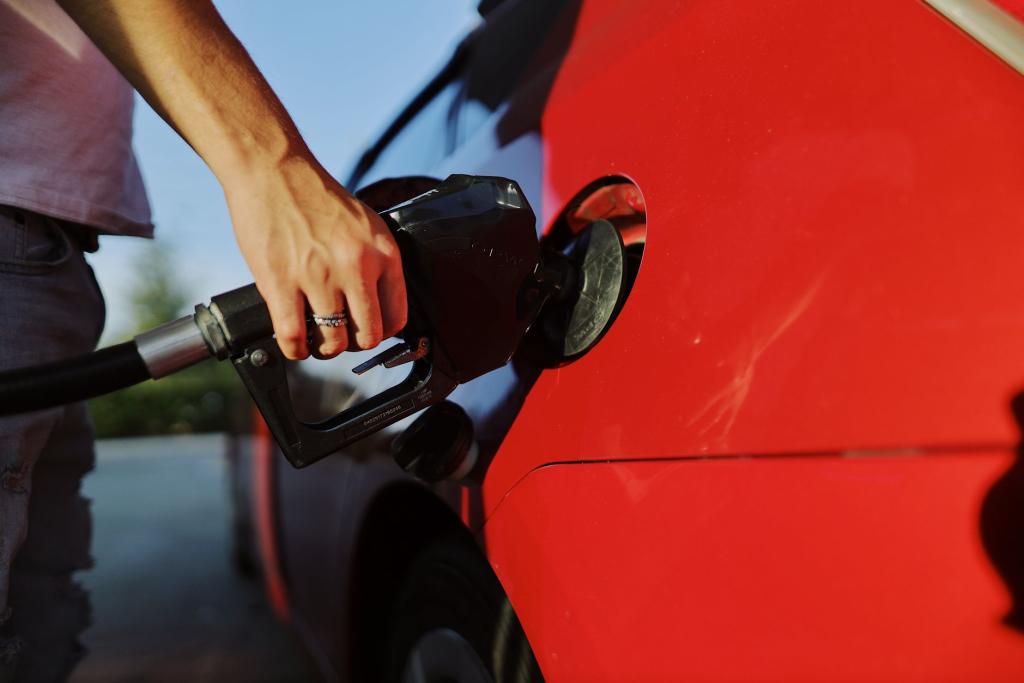
Canada's federal fuel tax break is getting an extension. On September 22, Finance Minister François-Philippe Champagne introduced Bill C-38, the Canadian Fuel Affordability Act, which would keep the federal fuel excise tax suspended until January 31, 2027, extending Canada fuel tax relief into next winter, according to the Department of Finance.
The bill has to pass Parliament before the extension takes effect, but the government has framed it as a direct response to pump prices driven higher by global instability and ongoing supply disruptions in the Middle East. It is the latest Canadian News affordability measure after Ottawa's data centre development principles brought 19 new industry signatories this week. Those pressures have pushed up energy costs worldwide, and the government says Canadian drivers and businesses are feeling them at every fill-up.
What drivers will save
While the full suspension remains in place, the Canada fuel tax relief extension means Canadians will keep saving more than $5 every time they fill a typical 50-litre tank of gasoline. The relief applies across the board: gasoline, aviation gasoline in both leaded and unleaded grades, diesel fuel, and aviation fuel.
The original suspension dates back to April 20, 2026, when the government first removed the federal excise tax to give drivers immediate relief. At the time, the cut was worth 10 cents per litre on gasoline and unleaded aviation gasoline, 11 cents per litre on leaded aviation gasoline, and 4 cents per litre on diesel fuel and aviation fuel.
The effect at the pump was fast. Gasoline prices fell 11 cents per litre on the first day the suspension took effect, a drop the Department of Finance highlighted as proof the measure reached consumers directly.
The excise tax is a flat per-litre charge layered on top of the GST or HST drivers already pay, so removing it lowered the posted price at stations across the country in a way every driver could see. That visibility is part of why the government says extending the relief matters now, with household budgets still stretched by higher costs on essentials.
Why the government is acting now
Finance officials point to supply disruptions tied to conflict in the Middle East as the main force behind higher fuel costs. When global energy markets tighten, the effects travel quickly: fuel for cars, trucks, and planes costs more, and those costs flow into the price of almost everything that moves by road or air.
That knock-on effect is why the bill is framed as more than a driver perk. Canadians driving to work or running errands feel the relief at the pump, but so do the businesses that transport food, building materials, and other essential goods across the country. Truckers, farmers, and builders all run on diesel, and the government named food, agriculture, housing, construction, delivery, and aviation as sectors that would benefit from the extension.
The department posted the full announcement with the phase-out schedule on September 22.
The tax comes back in stages
The extension is temporary: the excise tax will return gradually, starting in 2027. From February 1 through March 31, 2027, the rates would sit at half their normal levels: 5 cents per litre for gasoline and unleaded aviation gasoline, 5.5 cents per litre for leaded aviation gasoline, and 2 cents per litre for diesel fuel and aviation fuel.
Then, effective April 1, 2027, the full rates would return: 10 cents per litre for gasoline and unleaded aviation gasoline, 11 cents per litre for leaded aviation gasoline, and 4 cents per litre for diesel fuel and aviation fuel.
That two-step phase-out gives drivers and businesses a few months to adjust before the tax is fully back in place. It also spreads the federal revenue recovery across two fiscal years, softening the impact on household budgets in the short term.
What it costs Ottawa
Extending the relief is expected to provide an additional $2.9 billion in fuel tax relief, bringing the total estimated relief for Canadians to $5.3 billion in the 2026-27 fiscal year. That makes the excise tax suspension one of the larger affordability measures the government has put in place this year.
The bill sits alongside other affordability steps the department listed in its announcement: the Canada Groceries and Essentials Benefit, income tax cuts for 22 million Canadians, the cancellation of the consumer carbon tax, and GST relief for first-time buyers of new homes. The government describes the package as a coordinated effort to lower everyday costs while shielding the economy from pressures beyond Canada's borders.
Champagne said global conflict and supply disruptions are driving up fuel prices around the world, and that the extension would keep saving Canadians $5 on a typical 50-litre fill-up while helping farmers, truckers, builders, and businesses manage higher costs.
Comments 0
No comments yet. Be the first to share your thoughts!
Leave a comment
Share your thoughts. Your email will not be published.