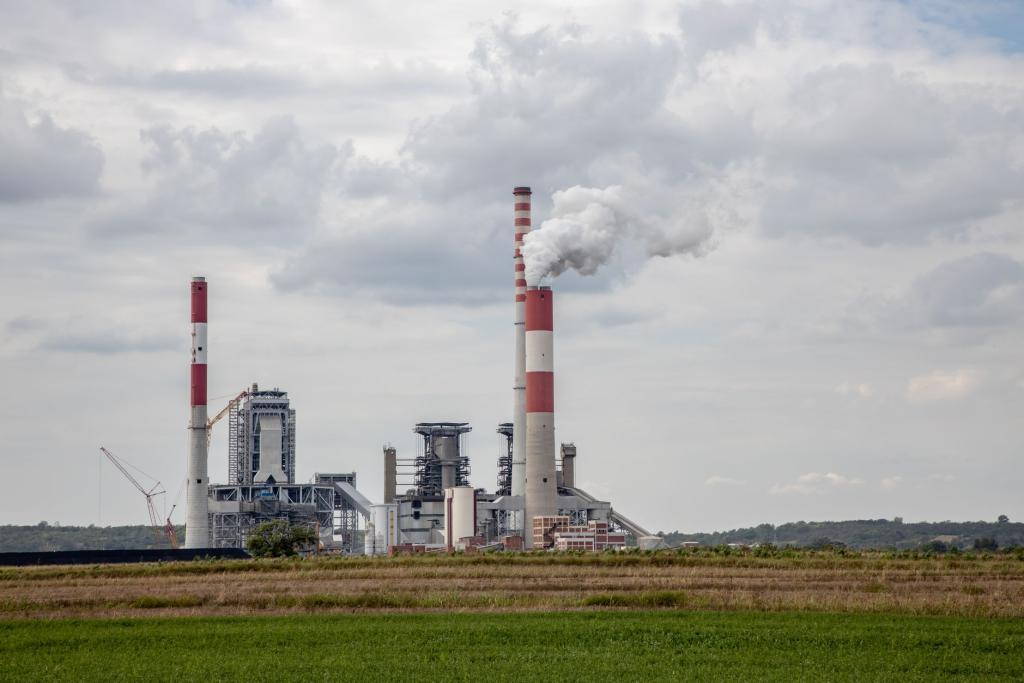
Canada Emissions climbed again in 2025, and the country's 2030 climate pledge is slipping further out of reach. An early estimate published on October 8, 2026 by the Canadian Climate Institute puts the national total at 691 megatonnes of CO2 equivalent, a rise of about one per cent — six megatonnes — compared with 2024.
The latest Canada Emissions figures come from the institute's independent 440 Megatonnes project, which releases early national numbers months before the government's official tally, expected in April. Put in human terms, the 2025 total equals the tailpipe pollution of 161 million gas-powered passenger vehicles driven for a full year.
Why Canada Emissions Are Falling Behind
Canada has promised to cut emissions 40 to 45 per cent below 2005 levels by 2030, but five years out the new estimate puts the country only 9.5 per cent below that baseline. The Canada Emissions shortfall is widening, said Ross Fraser-Minten, the project's acting director, who warned the country might be “as much as 20 years behind on achieving our 2030 target.”
Measured against its peers, the country's record looks worse still. Government data show that since 2005, Canada has cut pollution far less than the rest of the world's biggest industrial democracies, leaving it the worst-performing country in the G7 on emissions progress.
Natural Gas Drove the Canada Emissions Increase
Buildings were the biggest driver of the increase, as reported by BOE Report: emissions from natural gas heating rose 6 per cent after a colder winter pushed up demand. “If the sector was electrified, it would be less sensitive to that weather effect,” Fraser-Minten said, arguing that the building stock's temperature sensitivity shows how heavily it still relies on fossil fuels.
Electricity generation was the other big driver, with its emissions up 5 per cent. That is a reversal for the sector that delivered most of Canada's cuts over the past two decades: new demand has flowed overwhelmingly to natural gas, and since 2020 the share of the grid that is non-emitting has fallen from 84 to 80 per cent, even after factoring in growth in hydro, wind and solar. Gas burns cleaner than coal, but it is still a fossil fuel, and the institute says rising gas use sets a floor under how far the Canada Emissions total can fall.
Record Oil Output, Flat Sector Emissions
The oil and gas sector offered a surprising subplot in the Canada Emissions story. Crude output hit a record in 2025, about four per cent higher than in 2024, yet the sector's emissions dipped by two-tenths of a percentage point. Oilsands pollution rose by 844,000 tonnes, but cuts of 1.3 million tonnes from conventional extraction and downstream operations more than cancelled that out. “Much of that progress is related to fugitive methane emission reductions,” said Seton Stiebert, a senior fellow at the institute, who also pointed to efficiency gains that let producers use less energy per barrel.
The Canada Emissions Fix: Electrify Everything
The institute's answer is clean electrification: decarbonize the grid and electrify buildings, transport and industry. That means following through on plans to double electricity generation capacity by 2050 while also doubling electrification and energy efficiency, plus reaching the equivalent of a 75 per cent electric-vehicle adoption rate by 2035. Institute president Rick Smith argued the payoff goes beyond the climate math, saying the shift would make life more affordable, sharpen the economy's edge in the global energy transition and limit the extreme weather threatening Canadian lives and livelihoods, according to the news release.
What the Canada Emissions Rise Means for Young Canadians
But the policy winds may be shifting against that prescription. Fraser-Minten pointed to weakened industrial carbon pricing and delayed methane regulations as areas where Ottawa risks pushing emissions higher, and warned the government may scrap its clean electricity regulations — the rules meant to keep the grid decarbonizing. Prime Minister Mark Carney acknowledged in a June video that past policies were “too expensive and divisive” and that emissions would run higher “in the next few years” than projected.
For young Canadians watching the Canada Emissions numbers, the stakes are tangible. The October 2026 estimate landed after a summer of wildfires that ravaged communities, floods that displaced thousands of homes, and Prairie storms that caused more than a billion dollars in damage. The institute argues Canada can still change its climate story — from stalled progress to an economy harnessing its clean-energy advantage — but only with a real course correction. Readers following how young people are responding can see one grassroots model in Chicago's youth climate fund, with more coverage on the Climate Emergency topic page.
Comments 0
No comments yet. Be the first to share your thoughts!
Leave a comment
Share your thoughts. Your email will not be published.