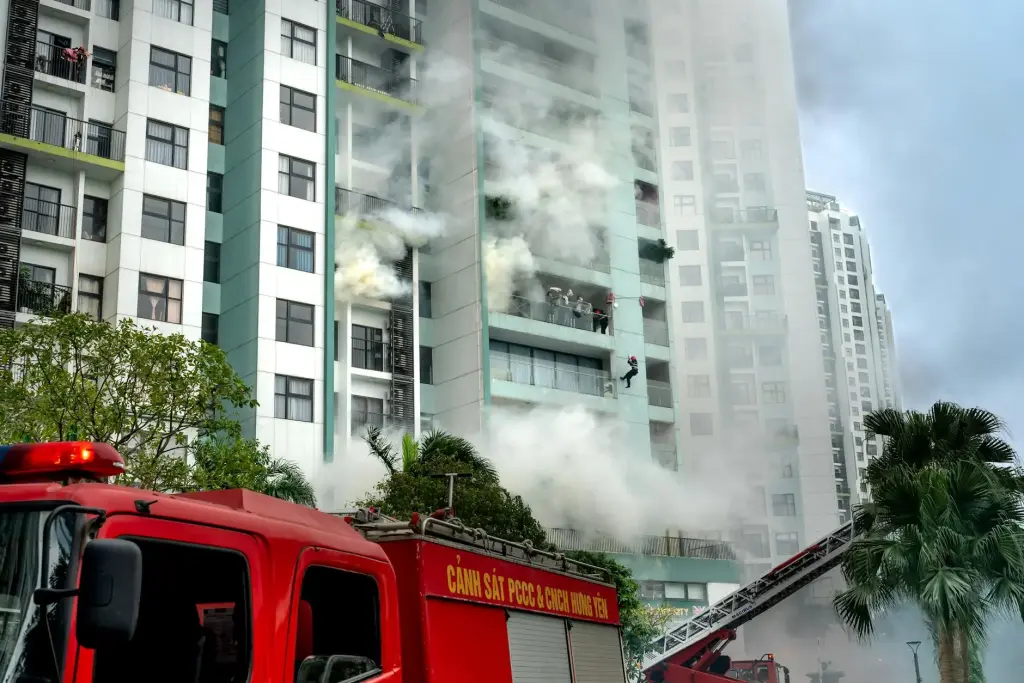
A massive Burundi ammunition explosion rocked the country's economic capital Bujumbura late Tuesday night, killing at least 13 civilians and injuring 57 others in a devastating blast. The Burundi ammunition explosion erupted at the main ammunition depot of the Burundi National Defence Force in Musaga, a densely populated southern suburb, sparking panic across the city of more than one million residents.
According to army spokesperson General Gaspard Baratuza, this devastating Burundi ammunition explosion was triggered by an electrical short circuit at the military facility. The arsenal, located dangerously close to residential neighborhoods and the Higher Institute for Military Cadres, became a raging inferno that burned for hours. "Houses were damaged in various neighbourhoods as well as private vehicles. Military equipment and facilities burned and were destroyed," General Baratuza said in an official statement on Wednesday, as reported by Al Jazeera.
The Human Cost of the Burundi Ammunition Explosion
The death toll from the Burundi ammunition explosion tells only part of the devastating story. Among the 57 wounded were three soldiers, while the vast majority were civilians caught in the wrong place at the wrong time. The blasts propelled deadly shrapnel and debris more than 5 kilometers away, destroying homes across multiple districts and leaving a trail of destruction that authorities are still assessing.
In a tragic twist, the Burundi ammunition explosion also struck Mpimba Central Prison, located near the ammunition store. According to reports from BBC, one detainee died when a bomb hit the facility, while numerous inmates suffered injuries in the chaos. In Gisandema, a northeastern neighborhood, witnesses reported that a bomb destroyed a house and killed a domestic worker who was simply doing their job when disaster struck.
"Glass fell on us and I even got wounded under my foot," one terrified resident told the BBC after fleeing his home with his family when the explosions began around 6:15 PM local time and continued until midnight. Another witness described the horror of seeing a young woman fall while running with a group of people, later discovering she had been "violently hit by a bomb."
A Nation Already Struggling Faces More Heartbreak
Burundi, ranked by the World Bank as the world's poorest country by GDP per capita in 2023, now faces yet another crisis as it struggles to respond to the Burundi ammunition explosion disaster. The country has been grappling with deep economic challenges including severe fuel shortages, making an already difficult situation even more complex for rescue and recovery efforts. This tragedy comes as other African nations face their own security challenges, including the recent Yemen Houthi missile strikes that have shaken the Middle East.
The response to the Burundi ammunition explosion fire was hampered from the start. A senior police officer who joined the firefighting team late Tuesday reported that efforts were immediately slowed by a water shortage in the area. By Wednesday afternoon, fire and smoke could still be seen rising from the devastated military base, which one officer described as being "reduced to ashes."
President Evariste Ndayishimiye took to social media to express his sympathy to "all those who have been victims of the fire" and reassure citizens that authorities are "here to help." Burundian officials have urged residents to report any unexploded munitions by phone, warning the population: "Be careful and DO NOT TOUCH."
The location of the ammunition depot has raised serious questions about urban planning and public safety following the Burundi ammunition explosion. The fact that a major military arsenal was situated in a densely populated residential area, right next to both a military training institute and a prison, has many questioning how such a dangerous facility was allowed to operate so close to civilian life. This tragedy echoes concerns seen in other regions where military facilities sit too close to populated areas, similar to how European nations have blocked military flights due to safety concerns.
For the people of Bujumbura, the nightmare is far from over. With debris scattered across the city and unexploded ordnance potentially hidden among the wreckage, residents face an uncertain future as they try to rebuild their lives after the Burundi ammunition explosion. "We would like officials to reassure us that it is over so we can reorganise and get back to normal life," one resident told reporters, capturing the fear and uncertainty that now grips the community.
International attention has turned to Burundi as aid organizations and neighboring countries offer assistance. For a nation that rarely makes global headlines, this tragedy has put the struggles of everyday Burundians in the spotlight, revealing the harsh realities of life in one of the world's most vulnerable countries. The Burundi ammunition explosion serves as a stark reminder of the dangers posed by poorly located military installations and the devastating consequences when safety protocols fail.
Comments 0
No comments yet. Be the first to share your thoughts!
Leave a comment
Share your thoughts. Your email will not be published.