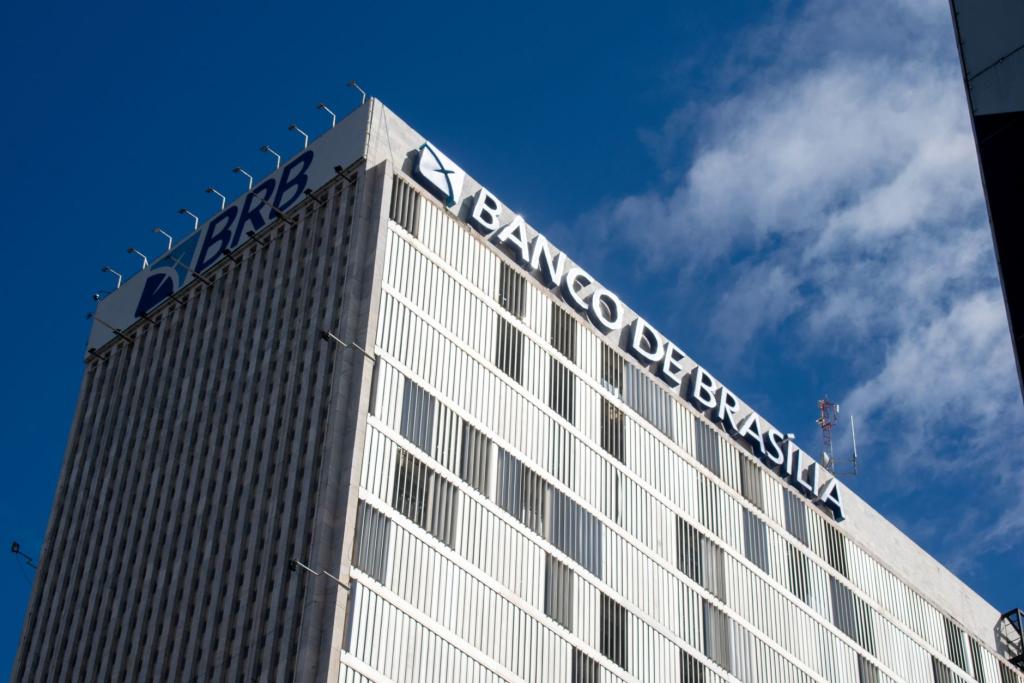
Brazil has imposed a stablecoin ban on cross-border payments as of October 1, 2026, cutting off a cheap and fast payment rail used by fintech companies and electronic foreign-exchange providers. TokenPost reports that overseas remittances processed through electronic foreign-exchange services must now settle through foreign-exchange transactions or nonresident accounts instead. The restriction covers Bitcoin and dollar-pegged tokens alike, but it does not stop individuals from buying or holding digital assets. Companies operating without authorization have until May 2027 to seek approval from the Central Bank of Brazil, which first published the measure in the spring.
Bitcoin entered the rule's first day of effect trading around eighty-four thousand dollars, up a fraction of a percent over the previous day, according to CoinGecko data cited by CryptoCompass. The global crypto market stood at nearly three trillion dollars, a reminder that regulators are tightening oversight of an industry that has already gone mainstream.
The Year the Rules Reached the Individual
Brazil's stablecoin ban fits the pattern that has defined crypto regulation through 2026: authorities are no longer content with licensing intermediaries and are engineering controls at the exact points where ordinary people touch the system. In the European Union, the transitional period for the bloc's Markets in Crypto-Assets framework ended on July 1, 2026, forcing unlicensed firms to stop serving EU customers, according to Crypto Times. Tether's USDT also vanished from regulated European exchange order books around that deadline because the issuer never sought EU authorization, as Ledger's reporting explains. Every transfer through a licensed exchange now carries sender and beneficiary identity data with no minimum amount under the bloc's Travel Rule, according to CryptoDaily.
Russia went further on choice itself. A law that took effect on September 1, 2026 limits non-qualified retail investors to three digital assets, Bitcoin, Ethereum, and USDT, bought through licensed intermediaries after passing a mandatory risk test, according to Crypto Briefing. The annual purchase cap stands at three hundred thousand rubles, roughly three thousand six hundred dollars, per intermediary. Britain chose the licensing route instead. The Financial Conduct Authority opened applications on September 30, 2026 for its new cryptoasset regime, which takes full effect on October 25, 2027. Cointelegraph reports that firms should apply by February 28, 2027 and that existing money-laundering registrations will not automatically convert into authorization. According to the same report, the FCA's director of authorization, Dominic Cashman, said, "Firms can now apply for authorisation and start preparing for regulation."
What It Means for Everyday Users
For Brazilians, the practical change sits in the plumbing rather than the portfolio. Fintech apps and payment firms that collected reais, converted them into dollar-pegged tokens, and settled remittances abroad must now route through traditional foreign-exchange transactions or nonresident accounts, a shift CoinDesk described when the measure was announced in May. According to AInvest's reporting, the practical effect is to bring back bank spreads, correspondent fees, and multi-day settlement on corridors where they had nearly disappeared, with one Brazilian exchange executive saying remittance operators lose the edge they once held over traditional banks. The stated reason on the regulator's side is traceability and anti-money-laundering compliance.
None of this touches what an ordinary holder can do. Buying, holding, and transacting in crypto remain legal in Brazil, in the EU, and in Britain, and personal custody of tokens stays outside the new restrictions. The regulations aim at licensed intermediaries, settlement rails, and the identity data that travels with each transfer. Critics of this direction argue that closing the formal rails punishes the efficiency that made stablecoin payments attractive in the first place. Regulators counter that every leg of the payment chain needs to sit inside anti-money-laundering oversight. Either way, the era in which crypto moved across borders untouched by the banking system's rulebook is ending, and 2026 is the year the rulebook caught up.
For more on how regulators are reshaping crypto this year, see our crypto topic page and our earlier story on the CFTC's new crypto regulation proposal, which covered the failed Senate push for a US market-structure bill.
Comments 0
No comments yet. Be the first to share your thoughts!
Leave a comment
Share your thoughts. Your email will not be published.