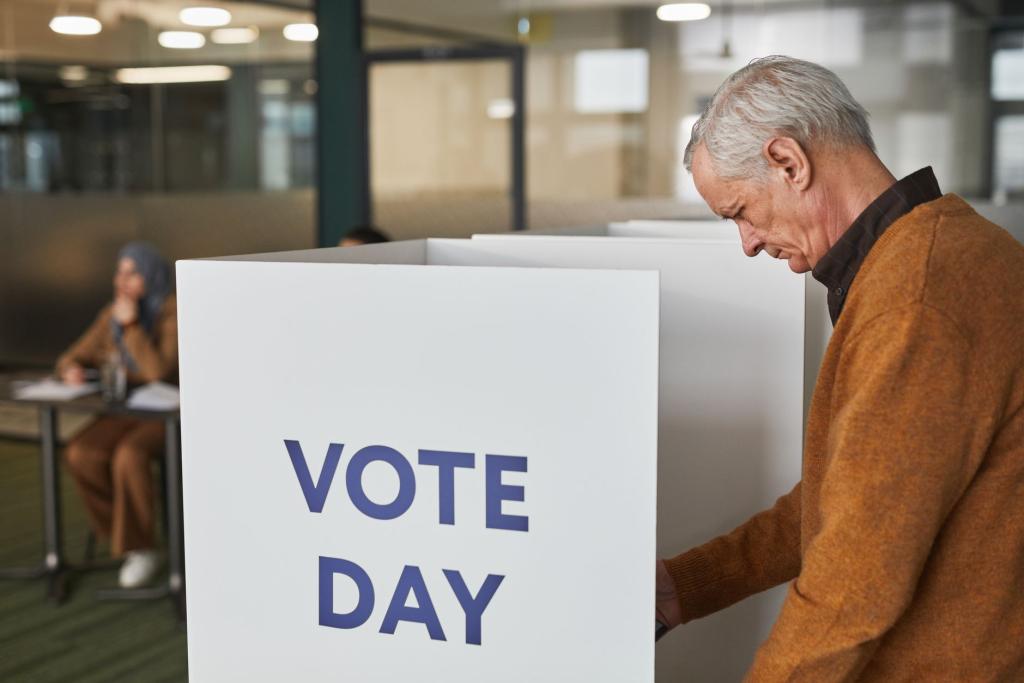
The 2026 Brazil election reaches its first decisive moment on October 4, 2026, when roughly 158.7 million eligible voters choose a president along with governors, senators, and deputies, according to the AS/COA poll tracker citing Superior Electoral Court data. The contest has narrowed to two men: 80-year-old incumbent Luiz Inácio Lula da Silva, seeking an unprecedented fourth term, and Senator Flávio Bolsonaro, eldest son of jailed former president Jair Bolsonaro. Every major survey released in the past week shows the same thing: a technical tie.
The numbers barely move no matter who asks. Datafolha's September 22–23 poll put Lula at 40% and Flávio at 36% in the first round, with a hypothetical runoff at 47–45 — inside the margin of error, reported by Reuters. AtlasIntel's survey released September 29 showed an even tighter race, 45.3 to 42.2 in round one and a runoff split of 47.7 to 47.6, effectively deadlocked. A BTG/Nexus poll landed at 42–37 with a 46–44 runoff. Three pollsters, three methods, one conclusion: this Brazil election will be decided by margins smaller than the error bars.
The backdrop to the Brazil election is extraordinary. Jair Bolsonaro was convicted of coup plotting and sentenced to 27 years in prison in 2025, barring him from the race — so his eldest son carries the family's political banner, campaigning on the cost of living and a crisis of confidence in the country's top court. At a September 7 São Paulo rally, Flávio said, "This consortium of Lula and Moraes will come to an end," according to Reuters, naming Supreme Court Justice Alexandre de Moraes. Lula has answered with swagger: at a Belém rally Monday he told supporters, "Please tell our opponent to withdraw his candidacy... they have no chance," reported by Global South World.
Why the Brazil election is this close
The economy is the engine of the deadlock. A September Quaest poll found nearly half of Brazilians — 48% — saying the economy worsened over the past year, against just 19% who said it improved. Flávio Bolsonaro has made that dissatisfaction the center of his campaign, hammering grocery and living costs while Lula leans on his record and incumbency. With voters this gloomy about their wallets, neither candidate's coalition can pull away.
Then there are the outsiders scrambling the math. Anti-establishment activist Renan Santos is drawing growing support among young voters, and self-help author Augusto Cury surged in the polls after adding more than two million social media followers, per the AS/COA tracker. Neither is likely to win, but in a Brazil election this tight, the few percentage points they siphon off could decide who makes a runoff — and the youth vote they chase is the demographic both frontrunners claim to own.
How the race got here matters. Bolsonaro's conviction and prison sentence last year removed him from the ballot, and his son inherited both the movement and its grievances — including open hostility toward the judiciary. Then the September polls froze everything in place, with Datafolha, AtlasIntel, and BTG/Nexus all landing within a few points of each other. That has turned Sunday into a pure turnout fight, where ground game and enthusiasm matter more than persuasion.
What happens next — and why it matters
From here, the Brazil election timeline is short. If no candidate clears 50% of valid votes on October 4, 2026, the top two face off in a runoff on October 25, 2026. The winner takes charge of the Amazon, Latin America's largest economy, and the region's last major left-wing government after a wave of right-wing victories across the continent. Lula has framed the vote as a stand against foreign interference, declaring at the UN General Assembly in September, "Brazil does not fit into anyone's backyard," reported by Reuters.
For younger voters watching the Brazil election from anywhere, this race is a case study in the mechanics they care about: electronic voting under pressure, disinformation battles, TikTok-era outsiders vaulting into double digits, and a candidate running to avenge a father in prison. Whatever happens Sunday — or on October 25 — it will be decided by margins the polls can barely see. Follow the region with our coverage of Malaysia's deportations raising UN alarm and more on The World topic page.
Comments 0
No comments yet. Be the first to share your thoughts!
Leave a comment
Share your thoughts. Your email will not be published.